Newsletter Subscribe
Enter your email address below and subscribe to our newsletter
[forminator_form id="25163"]

All voices matter
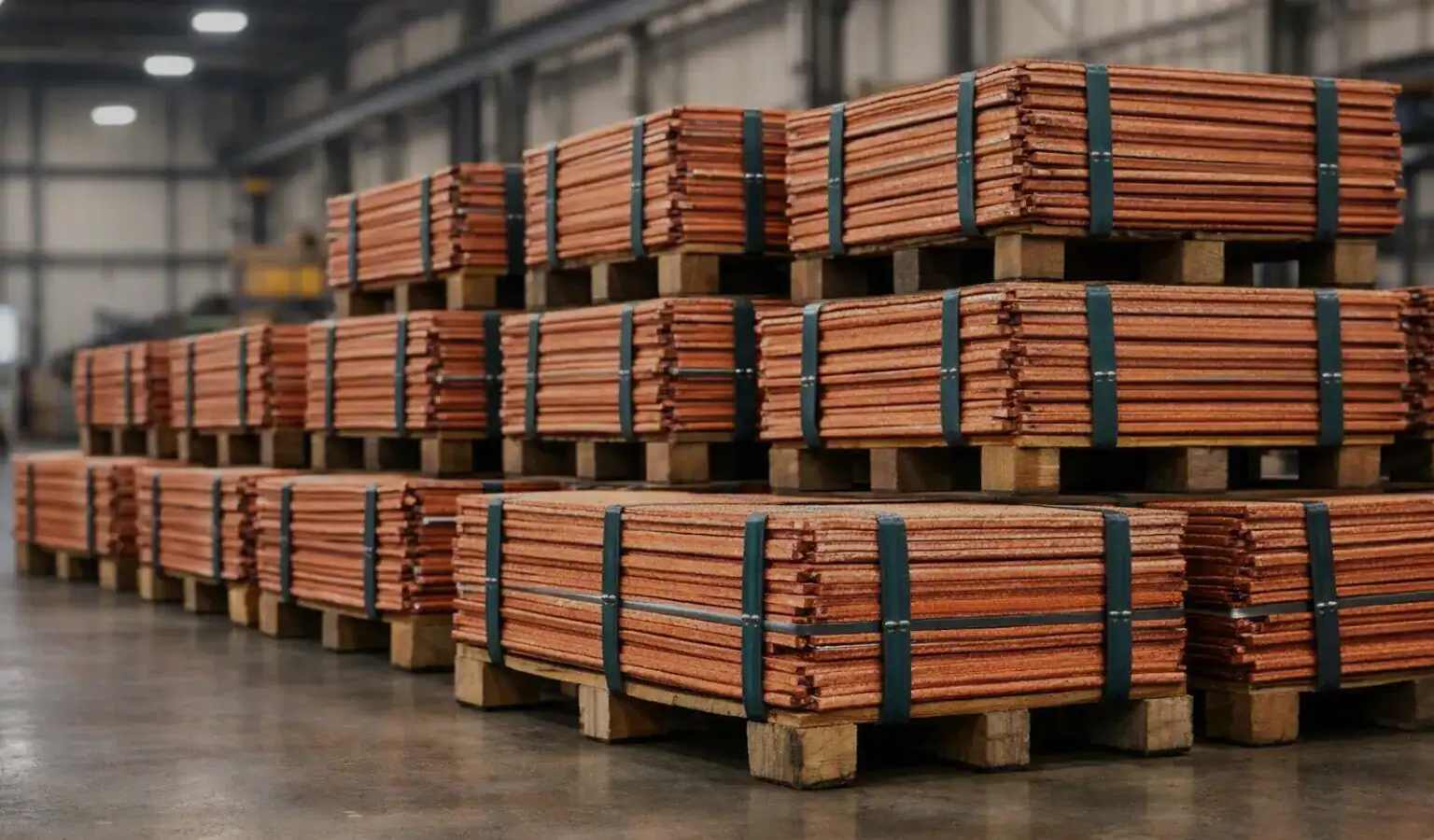
indexboxindexboxindexboxCopper prices have pulled back from a record high of $14,334 per metric ton reached on August 10, but analysts at Sprott Asset Management and Saxo Bank say the retreat is a correction within a deeper structural tightening that shows no signs of abating. The metal has gained roughly 45% over the past year, driven not by a traditional industrial cycle but by constrained mine supply colliding with accelerating demand from artificial intelligence infrastructure, power grids and electric vehicles.indexbox+1
Mine production continues to underperform expectations across the copper supply chain. Chile, the world's largest producer, reported first-half 2026 output at its lowest level since 2018 and has lowered its full-year forecast, according to Sprott's August analysis. Codelco has abandoned its target of 1.34 million tonnes for this year, while Antofagasta cut 2026 guidance to 625,000–655,000 tonnes after storms halted its Los Pelambres operation.proactiveinvestors+1
Treatment charges — the fees miners pay smelters to process concentrate — have fallen below negative $150 per metric ton, a reversal of more than $240 from late 2023 levels, indicating acute scarcity of raw material upstream. BHP reported that copper exceeded iron ore's contribution to group earnings for the first time in full-year 2026 results, with the copper segment delivering 54% of group EBITDA at a 70% margin.sprott+2
S&P Global projects global copper demand will rise from around 28.4 million tonnes in 2025 to approximately 42 million tonnes by 2040, with a potential 10 million-tonne supply shortfall without major new capacity.moneycontrol
Much of the immediate price action has been shaped by U.S. tariff uncertainty. The Commerce Department recommended a phased duty on refined copper — 15% in 2027 rising to 30% in 2028 — but missed its own June 30 deadline for a final decision. Traders have moved metal into American warehouses preemptively, draining availability elsewhere. Saxo Bank's Ole Hansen noted that the U.S., which consumes only 6–7% of global copper, now holds close to 70% of copper reported across the world's three major futures exchanges.indexbox+1
The LME London Stock Exchange cash-to-three-month spread widened to $535 per metric ton on Monday — the widest since 2021 — before traders including Trafigura delivered more than 20,000 tonnes to LME warehouses on Tuesday, easing the immediate squeeze. Benchmark three-month copper fell 1.2% on Tuesday to $13,986.50 per tonne.moneycontrol+1
Sprott warned that the copper market is "moving deeper into a multi-year period of structural tightness" as new mines can take 15 to 20 years from discovery to production. BHP's chief executive has noted that building new copper capacity costs $16,000 to $30,000 per metric ton, while acquiring existing production through takeovers costs well over $100,000 per tonne including premiums.sprott+1
Hansen said only two developments would change his constructive copper view: a clear end to tariff risk that sends the American copper stockpile back to global markets, or a reversal of the AI infrastructure buildout.indexbox