Newsletter Subscribe
Enter your email address below and subscribe to our newsletter
[forminator_form id="25163"]

All voices matter
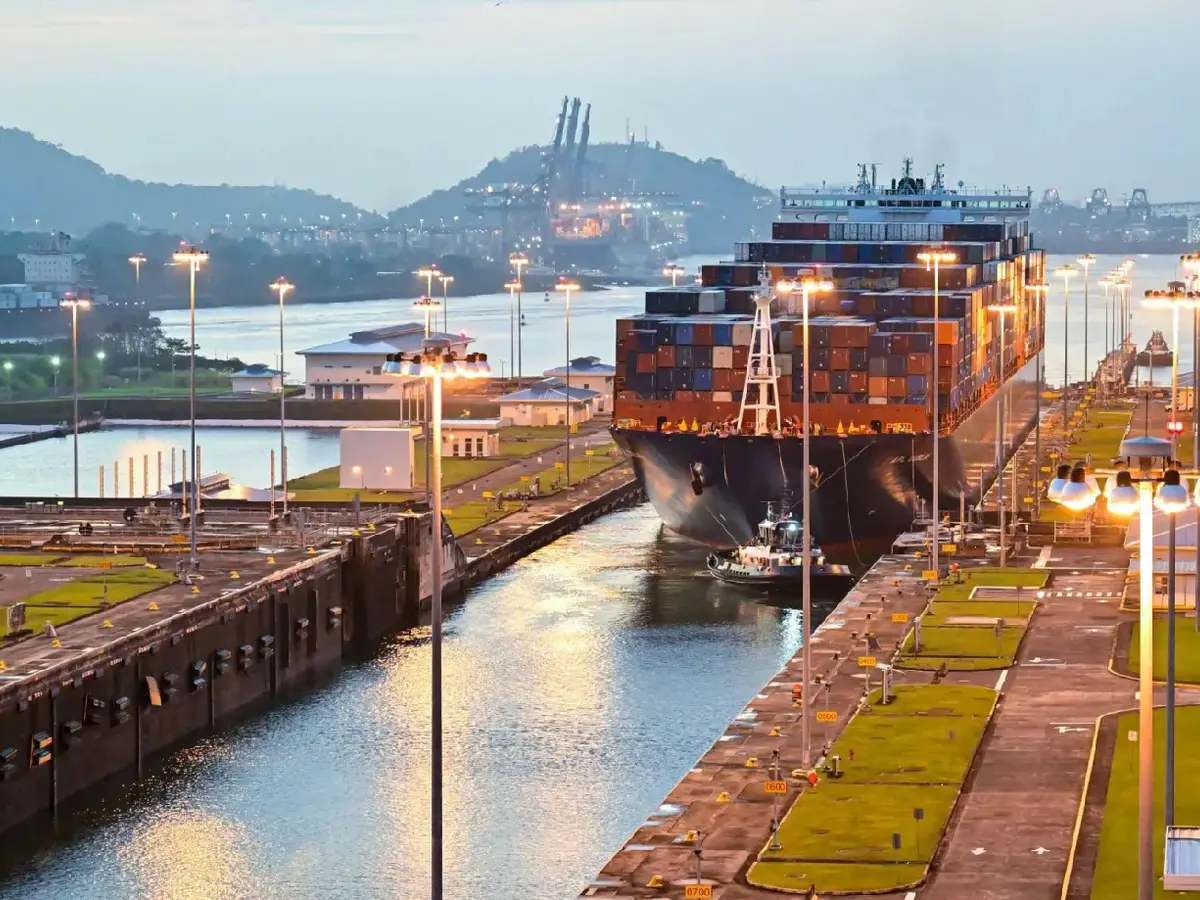
sedaily+1wwdwwdThe cost of transiting the Panama Canal has surged to record levels, with average winning auction bids reaching about $1.1 million this month — more than 16 times the level seen during the same period last year — as the closure of the Strait of Hormuz and falling water levels driven by El Niño converge to strain one of the world's most critical maritime chokepoints.sedaily+1
The squeeze was underscored this week when the owner of the Seaspan Benefactor, a 10,100-TEU container ship chartered by Ocean Network Express on a route from Asia to the U.S. East Coast, paid approximately $4 million to secure a priority transit slot — more than double the average bid recorded over the prior seven days, according to Bloomberg.wwd+1
The Panama Canal Authority conducts daily auctions that allow shipowners without advance reservations to bid for transit slots. Since the U.S.- and Israel-led bombing campaign against Iran began on February 28, effectively closing the Strait of Hormuz, Asian buyers of crude and petroleum products have shifted toward sourcing from the U.S. Gulf Coast, driving a wave of additional traffic through the canal.english.aaj+1
At the same time, El Niño conditions that began strengthening in June have reduced water levels in Gatún Lake, the artificial reservoir that feeds the canal's lock system. The ACP has already lowered maximum vessel draft twice since early July and will reduce it further to 48.5 feet on August 16, 48 feet on August 26, and 47.5 feet on September 3.logisticsinsider+1
As of this week, roughly 110 vessels were waiting to transit, with northbound ships without reservations facing average wait times of 7.9 days, up from 2.3 days on July 16. Southbound waits have climbed to 9.6 days.wwd
Flexport, which has 30 containers aboard the Seaspan Benefactor across 14 clients, said the $4 million bid reflected operational logic rather than panic. "A missed transit doesn't cost 10 days one time. It rolls into the next sailing and the one after that," the freight forwarder wrote in a Tuesday post, adding that the ACP's auction calendar for the remainder of August shows zero available slots.wwd
Carriers are already passing costs to shippers. CMA CGM will raise its surcharge to $500 per TEU on Far East–U.S. East and Gulf Coast cargo starting September 10, up from $320. Mediterranean Shipping Company will apply a fee of $149 per TEU on the same route beginning September 12, an increase from the $100 charge taking effect August 19.wwd
The U.S. National Oceanic and Atmospheric Administration expects this year's El Niño to be stronger than usual, raising the prospect of further draft restrictions or caps on daily transits later in the year — a repeat of the severe disruptions seen during the 2023–2024 drought.logisticsinsider+1