Newsletter Subscribe
Enter your email address below and subscribe to our newsletter
[forminator_form id="25163"]

All voices matter
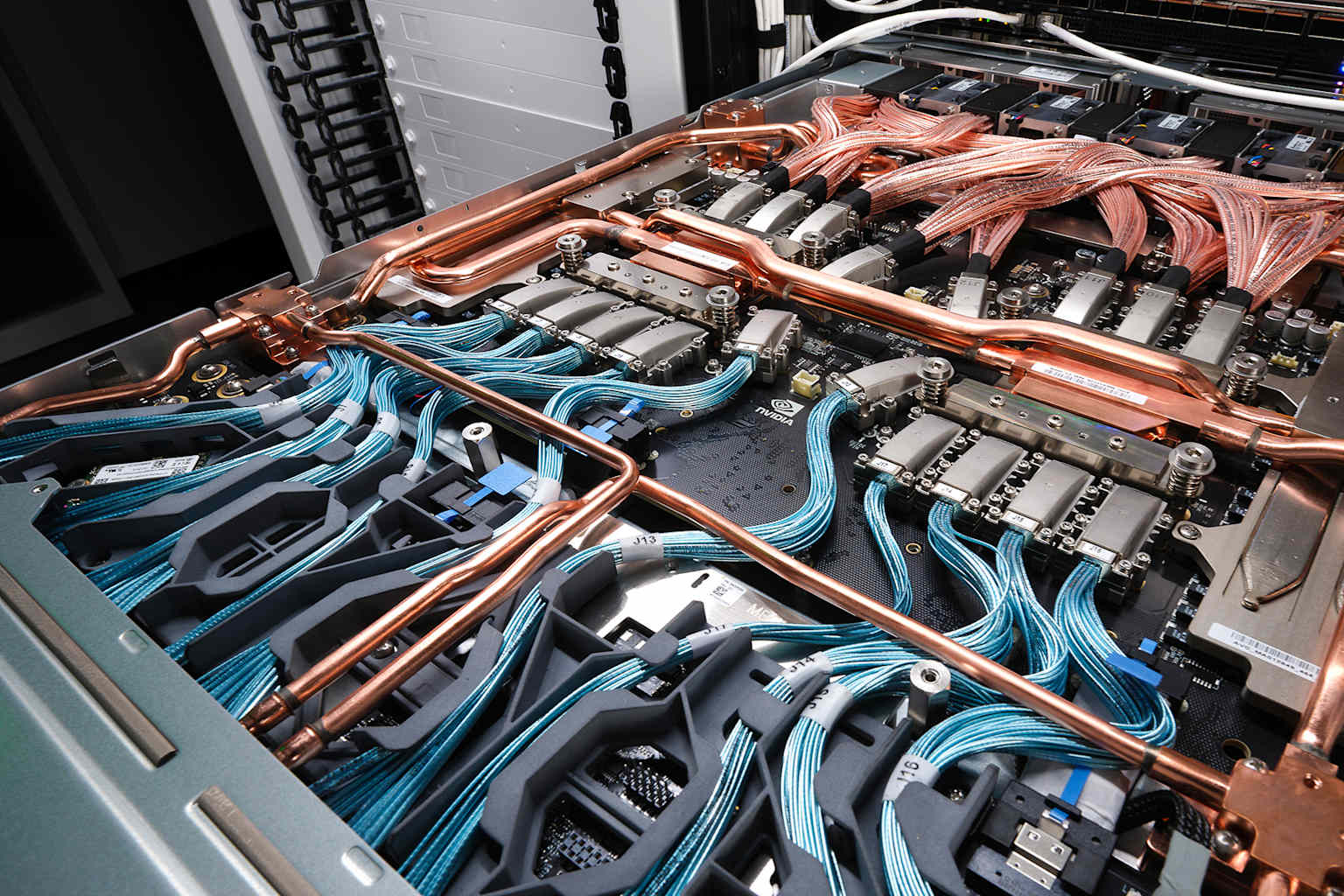
primexbtreuters+1nvidianews.nvidiaWedbush Securities analyst Dan Ives said demand for Nvidia AI chips is running ahead of supply at a ratio of 12 to 1, a gap he expects to widen as physical AI applications begin to take shape.
"Demand to supply today is 12 to 1 for their chips. Physical AI hasn't even started to play out," Ives said on CNBC. The veteran technology bull characterized the AI buildout as being only in its "third inning," suggesting years of growth remain ahead for the chipmaker.aol+1
The comments arrive as Nvidia's stock has gained only about 4% year to date despite delivering record financial results. In its fiscal first quarter of 2027, ended April 26, 2026, Nvidia reported revenue of $81.6 billion, an 85% increase from a year earlier, with data center revenue climbing 92% to $75.2 billion. Net income more than tripled year over year.nvidianews.nvidia+2
The muted share-price response stands in contrast to Nvidia's forward price-to-earnings ratio, which now sits near that of the broader S&P 500 — a valuation that historically signals room for re-rating when growth persists at this pace.
Ives's assessment is backed by capital expenditure commitments from Nvidia's largest customers. Alphabet raised its full-year 2026 capital expenditure guidance to $195 billion–$205 billion during its second-quarter earnings call on July 22, up from a prior range of $180 billion–$190 billion. Amazon Amazon.com, Inc. followed days later, lifting its 2026 spending forecast to $220 billion from $200 billion, with CEO Andy Jassy citing rising memory costs and warning the company still won't have enough capacity to meet demand through 2027.primexbt+3
Microsoft has also set ambitious capital expenditure targets while telling investors it expects to achieve positive free cash flow in fiscal 2027, easing concerns about how it will fund the spending.aol
Ives pointed to physical AI — encompassing humanoid robots and autonomous vehicles — as a demand driver that has yet to materialize in chip orders. If such applications gain traction, the existing 12-to-1 supply gap could stretch further, giving Nvidia additional years of elevated revenue growth. The bottleneck now sits not just with Nvidia's GPU production itself but across the broader supply chain, including packaging and memory components.primexbt+2
With Morgan Stanley estimating that Big Tech AI infrastructure spending could exceed $1 trillion in 2027, the question facing investors is less whether demand exists and more how quickly Nvidia and its suppliers can close the gap.reuters