Newsletter Subscribe
Enter your email address below and subscribe to our newsletter
[forminator_form id="25163"]

All voices matter
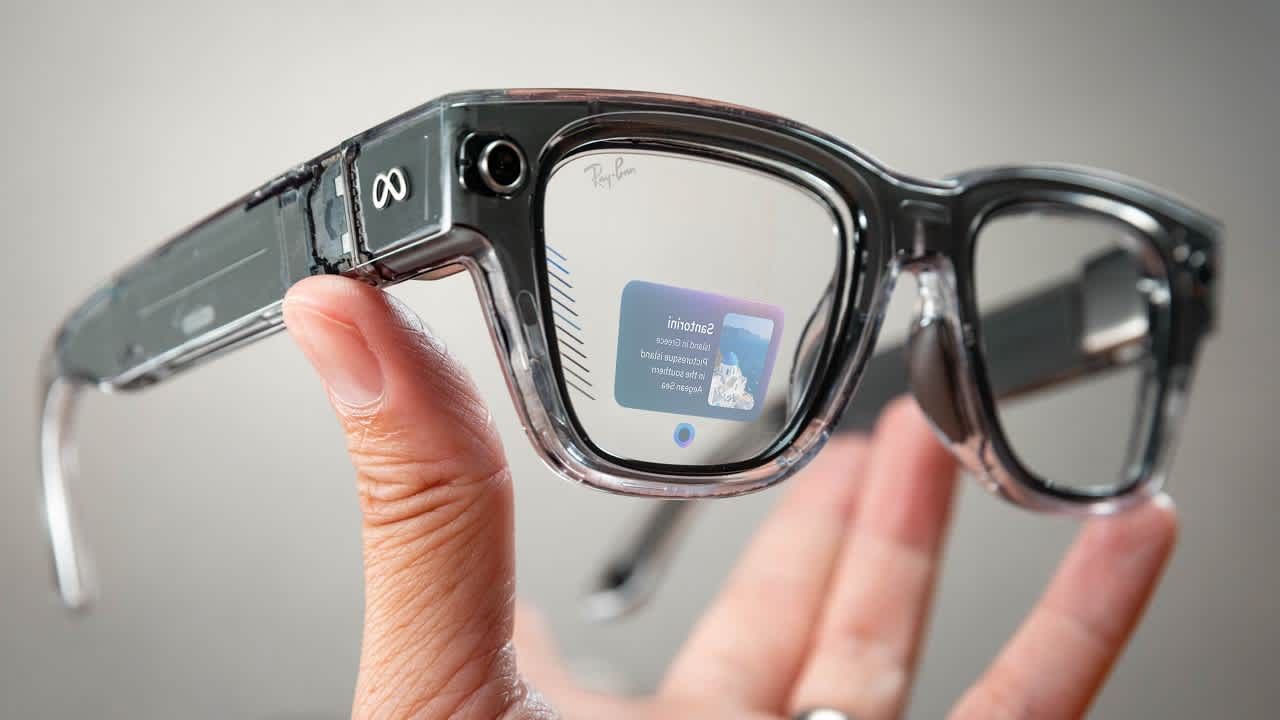
apnews+1apnews+1engadgetMeta unveiled holographic avatars for its new VR Glasses and Ray-Ban Display frames at its annual Connect conference on Wednesday, marking a leap in the company's effort to make video calling feel more like an in-person conversation.engadget+1
The feature, powered by a new model called Muse Realtime Avatar, generates photorealistic digital likenesses that mirror a user's real-time facial expressions and reactions during video calls.digitaltrends+1
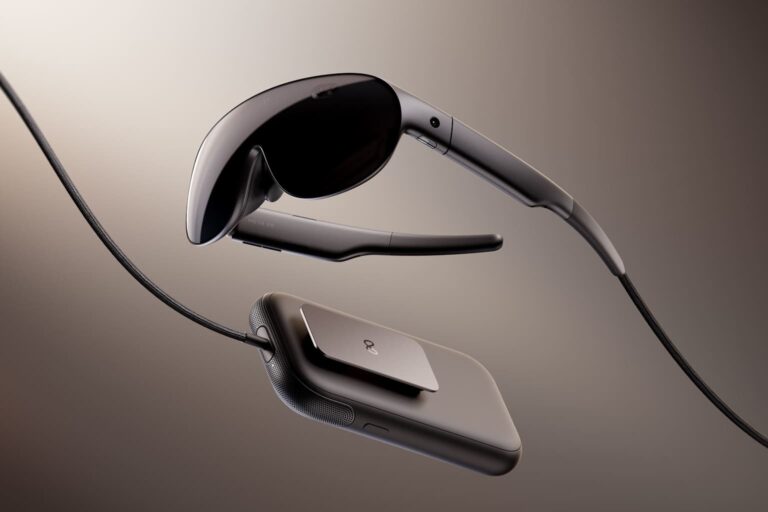
The avatar experience differs depending on the hardware. On Meta's new VR Glasses — a 100-gram device set to replace its bulkier Quest headsets when it launches in spring 2027 at $1,300 — advanced inward-facing cameras and sensors capture facial expressions automatically, producing a full-body holographic avatar with no separate training step required.apnews+1
On the Ray-Ban Display frames, setup involves a phone-based scanning process through the Meta AI app. Users turn their head at various angles for the camera, answer a series of voice-capture questions, and perform prompted expressions like smiling or acting surprised. The whole process takes about five minutes.engadget
Engadget's Karissa Bell, who tried both versions ahead of the keynote, reported that she initially mistook a Meta representative's avatar for a live video feed during a WhatsApp call. "I didn't immediately clock that I was speaking to an avatar," she wrote. From the wearer's side, however, a small preview made the distinction clear.engadget
The VR Glasses avatars appeared more natural than Apple's Vision Pro "persona" feature, according to Bell, though some visual distortion was visible near the edges of the head and feet. The avatars render only a frontal view rather than full 3D, and Meta adds a transparent watermark to all avatar-powered video calls.engadget
For now, availability is siloed by device. VR Glasses hologram calls work only between two pairs of VR Glasses, while Ray-Ban Display users can call other Display wearers or standard phone and computer users via WhatsApp or Zoom . Cross-device calls between VR Glasses and Display frames are not yet supported.engadget
Holographic avatars for the Ray-Ban Display will enter early access this fall, while the VR Glasses version will arrive with that device's spring 2027 launch. Meta described the feature as still in "early preview," acknowledging bugs remain to be ironed out.apnews+1
CEO Mark Zuckerberg demonstrated the hologram calling capability live during his keynote, projecting a photorealistic digital version of a person complete with real-time expressions — part of a broader push at Connect to position wearable AI as the eventual successor to the smartphone.wsbtv+1