Newsletter Subscribe
Enter your email address below and subscribe to our newsletter
[forminator_form id="25163"]

All voices matter
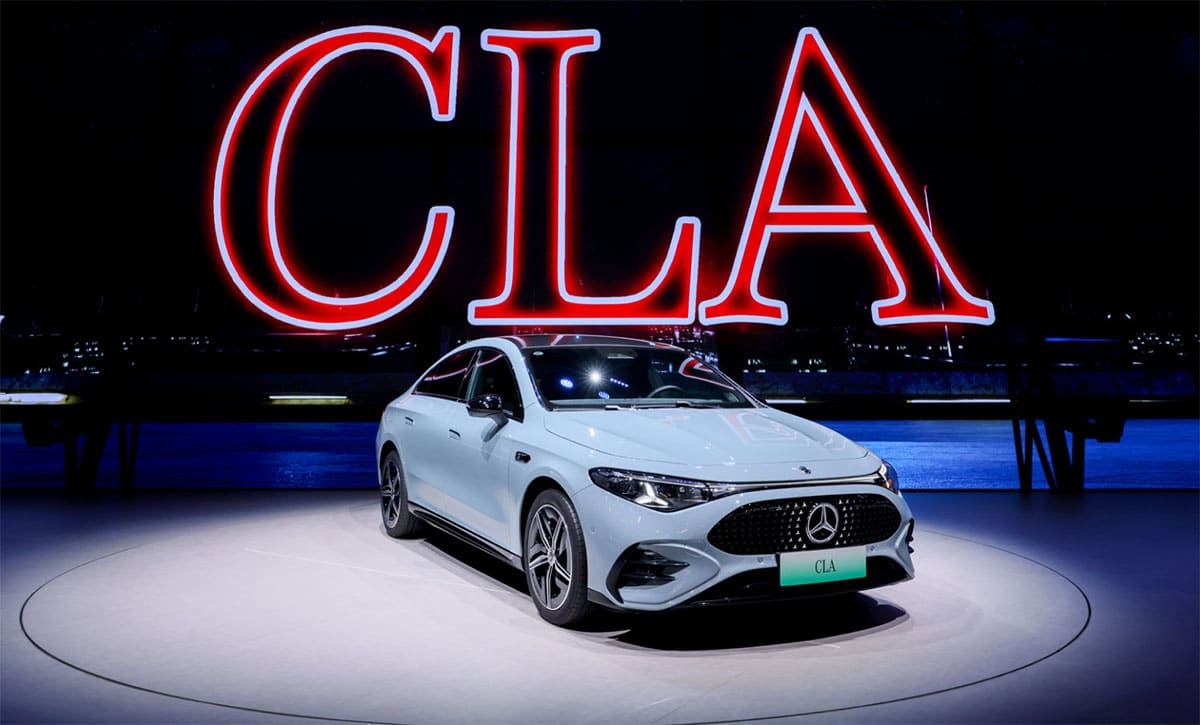
straitstimes+1straitstimeseconomictimesMercedes-Benz sold just 1,153 electric CLA units in China in the first half of 2026, while Xiaomi delivered more than 80,000 of its similarly priced SU7 sedans in the same period. The stark contrast illustrates a deepening crisis for German automakers in the world's largest car market, where BMW Bayerische Motoren Werke AG, Volkswagen, and Porsche all reported second-quarter sales declines of at least 30 percent — worse than the overall market drop.straitstimes+2
JPMorgan analyst Jose Asumendi said that significant parts of German carmakers' offerings are "simply priced out of China," where a protracted real estate crisis is weighing on consumer spending and combustion-engine vehicles are in structural decline. Chinese manufacturers churned out roughly 500 new or updated models in the first half of 2026 alone, according to Volkswagen CEO Oliver Blume, who described a "China Speed" that foreign automakers struggle to match.economictimes+1
Mercedes priced its long-wheelbase electric CLA from 229,000 yuan — roughly 40 percent cheaper than the European version — and packed it with AI-powered voice control. But the company concluded that competing would require further price cuts that would result in losses on nearly every unit sold, according to Bloomberg, which first reported the story. Mercedes is now limiting its push for the car until economics improve.straitstimes+1
BMW slashed its projected automotive margin to as low as 1 percent due to its China slump, putting it on course to be the least profitable major European automaker in 2026. China deliveries plunged 30.2 percent to 117,815 units in the second quarter. The company's first-half group net profit fell 28.5 percent to €2.9 billion, and it announced a voluntary severance program targeting around 8,000 positions worldwide.ad-hoc-news
BMW's counter-strategy centers on its Neue Klasse electric models. The iX3 SUV will open for pre-sales in China on August 21, while the i3 sedan entered series production at Munich's plant earlier this month. Order intake for the iX3 is approaching 100,000 units globally, though it remains unclear whether pricing will be competitive enough against Tesla's Model Y, which starts at around 264,000 yuan in China.economictimes+1
Blume said in June that Volkswagen's business model was "essentially broken," paving the way for plans to cut 100,000 jobs and close German factories. In China, VW is betting on partnerships with Xpeng and state-owned SAIC to rejuvenate its brands, though early results from the Audi E5 Sportback have been underwhelming despite critical acclaim.straitstimes+1
The challenge extends beyond price. German carmakers still refresh products every four years or longer, while Chinese brands rejuvenate models in as little as 18 months. "There's no way that this industry will go back to the old way," said Xing Zhou, an automotive adviser at AlixPartners. BYD and Xiaomi are winning on automated driving features, mobile-first entertainment systems, and branding that resonates with younger Chinese consumers — even as BYD's own first-quarter profit tumbled 55 percent amid the price war.economictimes+1