Newsletter Subscribe
Enter your email address below and subscribe to our newsletter
[forminator_form id="25163"]

All voices matter
thenationalnewsoilpriceoilpriceThe months-long closure of the Strait of Hormuz has created a cascading fuel crisis for global aviation, forcing airlines to scramble for alternative jet fuel supplies as the disruption from the U.S.-Israeli war on Iran extends into its sixth month.
The strait, through which roughly 20 percent of the world's oil flows under normal conditions, has been effectively closed since the conflict began on February 28. The resulting fuel shortages have hit European carriers hardest. The consultancy Energy Aspects forecast in June a jet fuel supply deficit across Europe of nearly 600,000 barrels per day in the third quarter, compared to surpluses in the United States and Asia-Pacific. The International Energy Agency made a similar estimate, with European inventories at the start of June totaling around 38 million barrels — equivalent to roughly 30 days of demand.oilprice+1
Jet fuel prices have swung wildly, rising as high as $215.32 a barrel at the end of March before retreating to just over $130. Since fuel accounts for 20 to 25 percent of an airline's operating costs, carriers have struggled to keep ticket prices stable.oilprice
U.S. and European carriers have turned to creative solutions. Southwest shipped 12.6 million gallons of jet fuel from Houston to Los Angeles via the Panama Canal this spring, with CFO Tom Doxey calling it "a week's supply to the West Coast at a time when supply was most constricted". United Airlines announced in mid-July that it expects nearly $6 billion in additional fuel expense for the full year compared to expectations at the start of 2026.oilprice
Ryanair said 20 percent of its unhedged fuel was hit hard by price spikes, pushing operating costs up 11 percent, though CEO Michael O'Leary credited conservative hedging with keeping the airline resilient. Meanwhile, the U.S., Nigeria, Canada, India and South Korea have stepped in to supply Europe with jet fuel, and Italian refiners boosted production by about 10 percent in the first four months of the year.oilprice
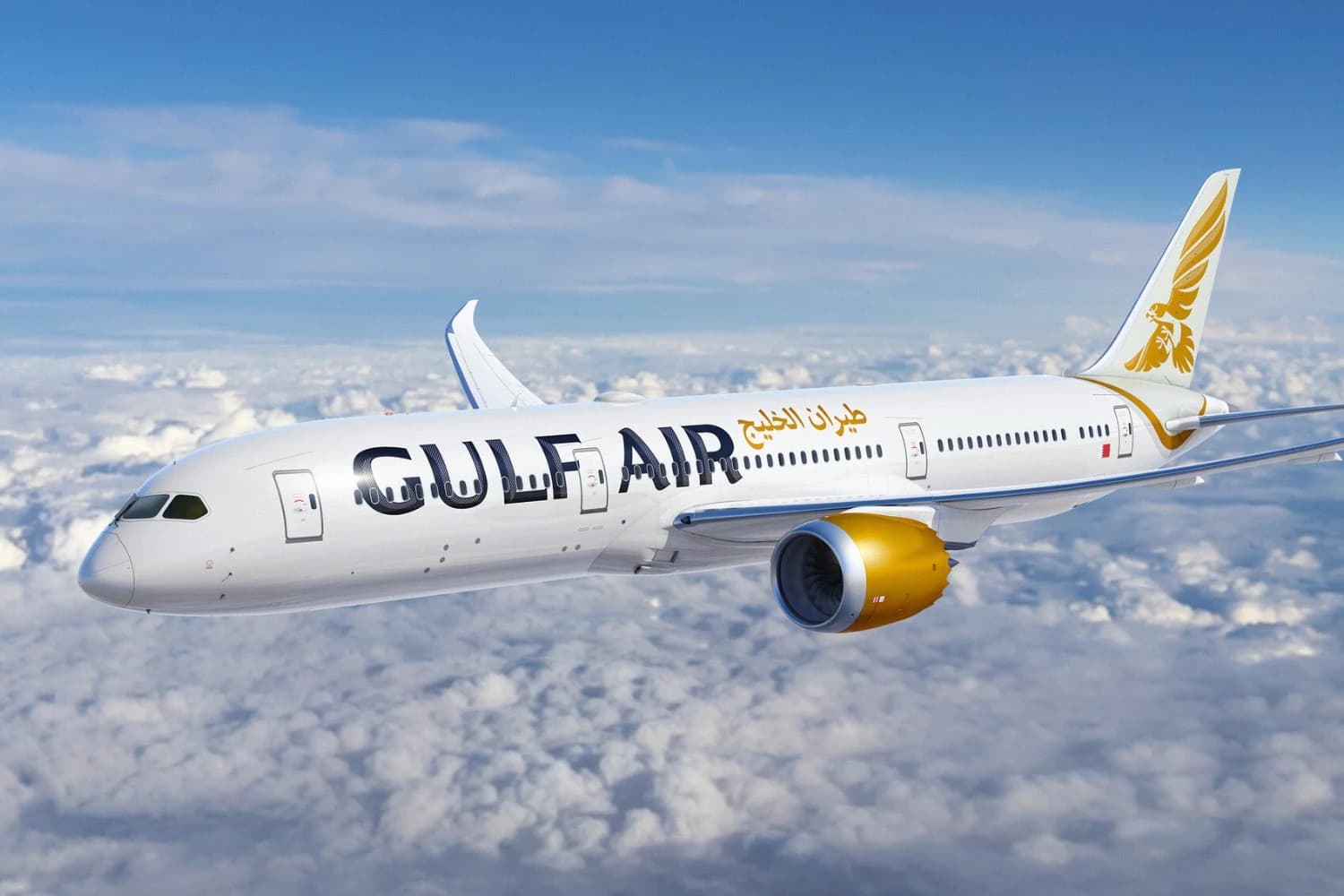
Despite the conflict, Boeing reported that Gulf airlines are not seeking to delay aircraft deliveries or restructure orders. "So far, we have not had any discussions around restructuring orders or deliveries," said Fahad Al Mheiri, Boeing's vice president for the Middle East, Gulf and North Africa. The region accounts for about 14 percent of Boeing's commercial aircraft backlog, with more than 930 aircraft on order.thenationalnews
Still, the operating environment remains volatile. EASA extended its advisory warning airlines to avoid airspace over the UAE, Bahrain, Kuwait, Qatar, and parts of the Gulf of Oman until August 31, with a separate advisory covering Jordanian airspace. Middle East airlines recorded a 14 percent year-on-year decline in demand in June, though the rate of decline had halved since April.reuters+2
Emirates is now flying about 90 percent of its capacity after the UAE reopened its airspace fully in May, and its president Tim Clark told Reuters at the Farnborough Airshow in July that the carrier has no plans to defer orders. As IATA vice president Kamil Al Awadhi put it at the group's annual meeting in June: "It is not wise, because that deferral will cost you".thenationalnews