Newsletter Subscribe
Enter your email address below and subscribe to our newsletter
[forminator_form id="25163"]

All voices matter
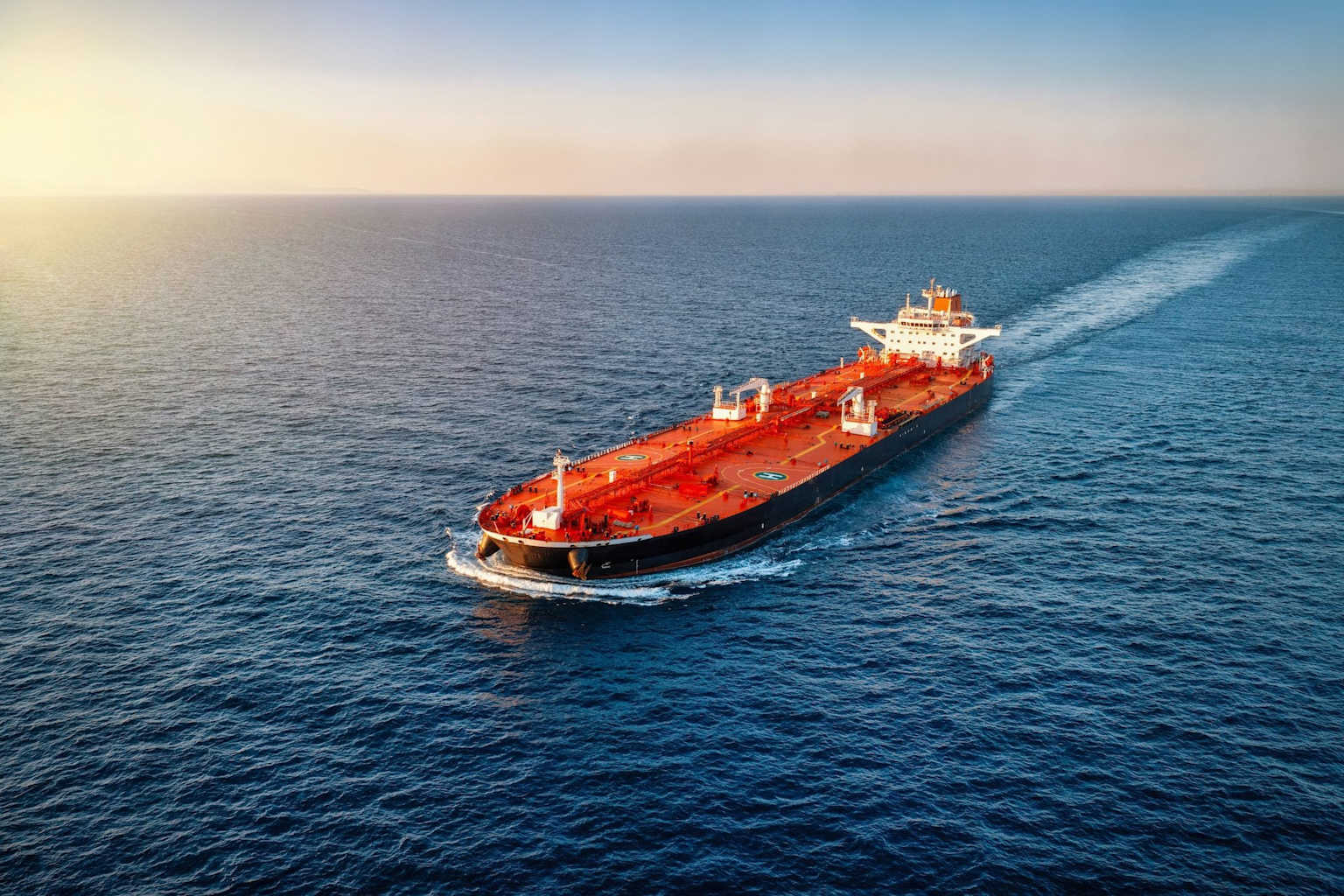
businesstoday.in+1.opec.org+1.opec.org.OPEC says the cost of shipping and insuring crude oil has risen at a pace never seen before in 2026. On some tanker routes, freight costs are up about 12-fold since the start of the year, and insurance costs have climbed more than 200-fold, according to a new brochure the group released on Wednesday, November 4. The figures came out the same day the International Energy Agency (IEA), the International Energy Forum (IEF) and OPEC held a joint online workshop on the security of maritime energy flows.bastillepost.com+1
OPEC used very large crude carriers sailing from the Middle East to East Asia as its main example. On that route, freight rose from $3.18 a barrel at the end of January to $37.13 at the end of October. Over the same period, insurance jumped from $0.06 to $12.29 a barrel. Together, the two costs reached about $49.42 a barrel.businesstoday.in+1
Freight and insurance usually make up about 3% of the total cost of crude or petroleum products. On this route, their share was about 5% at the end of January and averaged 30% by the end of October, OPEC said in a post on X. "These exceptionally elevated costs are, in turn, transmitted across the entire value chain," the group wrote. It added that they "place additional inflationary pressures on the global economy."x.com
The workshop was titled "Security of Energy Flows: Maritime Routes and Market Stability." It was held at the request of OPEC+ ministers, formally known as the Declaration of Cooperation group, who met in Riyadh on October 12 after the IEF17 conference. At that meeting, the ministers raised concerns about high shipping and insurance costs. In a joint statement after the Riyadh meeting, the ministers warned that disruptions had pushed these costs above one-third of commodity value and were delaying deliveries.opec.org+1
At the workshop, OPEC Secretary General Haitham Al Ghais said shipping and insurance costs in 2026 had climbed to more than one-third of the underlying value of crude oil. He said the extra costs are straining both producing and consuming economies. Coverage of the meeting pointed to tensions at chokepoints such as the Red Sea and the Strait of Hormuz as the main cause of higher risk premiums.vindobona.org+1
IEA Executive Director Fatih Birol said energy markets "are facing a crisis of unprecedented proportions, affecting the production and transportation of the oil and gas on which the global economy relies." He said all sides "must all work to safeguard freedom of maritime navigation".opec.org
IEF Secretary General Jassim Alshirawi warned that disruption "can raise energy, food and transport costs far beyond the region affected, with the greatest hardship falling on vulnerable communities." He said closer work among the three organizations could strengthen "the dialogue and data transparency needed to restore confidence".opec.org