Newsletter Subscribe
Enter your email address below and subscribe to our newsletter
[forminator_form id="25163"]

All voices matter
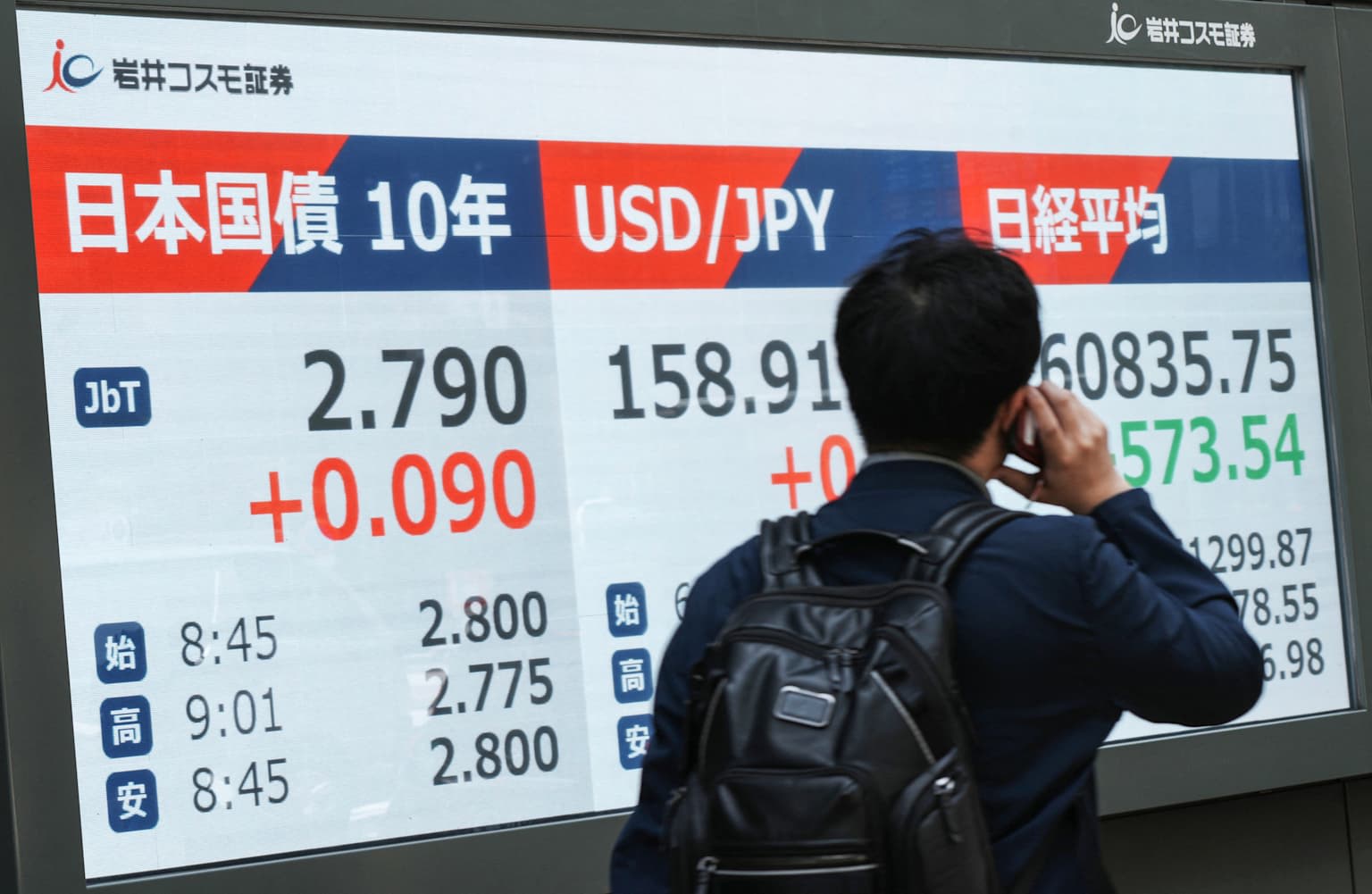
reuters+1reuters+1reutersJapan's 10-year government bond yield crossed 3% on Tuesday for the first time since September 1996, a milestone that is accelerating a quiet but consequential shift: Japanese institutional investors are bringing their money home.reuters+1
The yield has more than tripled over the past two years, driven by inflation concerns, Prime Minister Sanae Takaichi's expansive fiscal agenda, and mounting expectations that the Bank of Japan will raise interest rates further. The breach of 3% now gives domestic bonds a pull they haven't exerted in a generation, and Japanese pension funds are responding.Reuters+1
A survey of 82 corporate pension funds by J.P. Morgan JPMorgan Chase & Co. Asset Management, released Wednesday, found that the net share of funds planning to increase domestic bond holdings reached the highest level since the poll began in 2008. According to the survey, conducted between April and June, 9.8% of funds planned to boost Japanese bond allocations while just 1.2% planned to reduce them. Roughly 62% of respondents said they were considering changes to how they manage domestic bond investments. At the same time, the funds continued to pare overseas debt holdings, citing persistently high currency hedging costs.binance+2
The reallocation matters well beyond Tokyo. Japanese investors are the largest foreign holders of U.S. Treasuries iShares 20+ Year Treasury Bond ETF and major buyers of sovereign debt in France and Australia. Official data show they have already sold a net 3 trillion yen ($18.7 billion) in overseas debt through August 22, the largest year-to-date outflow since 2022.reuters
"They've underinvested in yen securities for probably 25 years. Now it's become more attractive and they are reallocating," said Michael Weidner, co-head of global fixed income at Lazard Asset Management.reuters
In Australia and London, bond dealers have noticed the pullback. Ryan Ellis, Citi's Citigroup Inc. head of markets sales for Australia and New Zealand, said Japanese investors this year have shifted from accumulation to simply holding their existing exposures. "They've got a home market bias for the first time in a lot of years," he said.reuters
Market participants caution against expecting a sudden liquidation of Japan's $2.4 trillion in overseas debt. Positions built over decades won't unwind overnight, and the fact that JGB yields have yet to stabilize is itself keeping some buyers on the sideline.reuters
"The story is not large-scale repatriation, but Japan gradually ceasing to be the marginal buyer of foreign bonds," said Masahiko Loo, senior fixed income strategist at State Street Investment Management in Tokyo. "Less incremental demand from one of the world's largest pools of savings is helping push term premium higher globally."reuters