Newsletter Subscribe
Enter your email address below and subscribe to our newsletter
[forminator_form id="25163"]

All voices matter
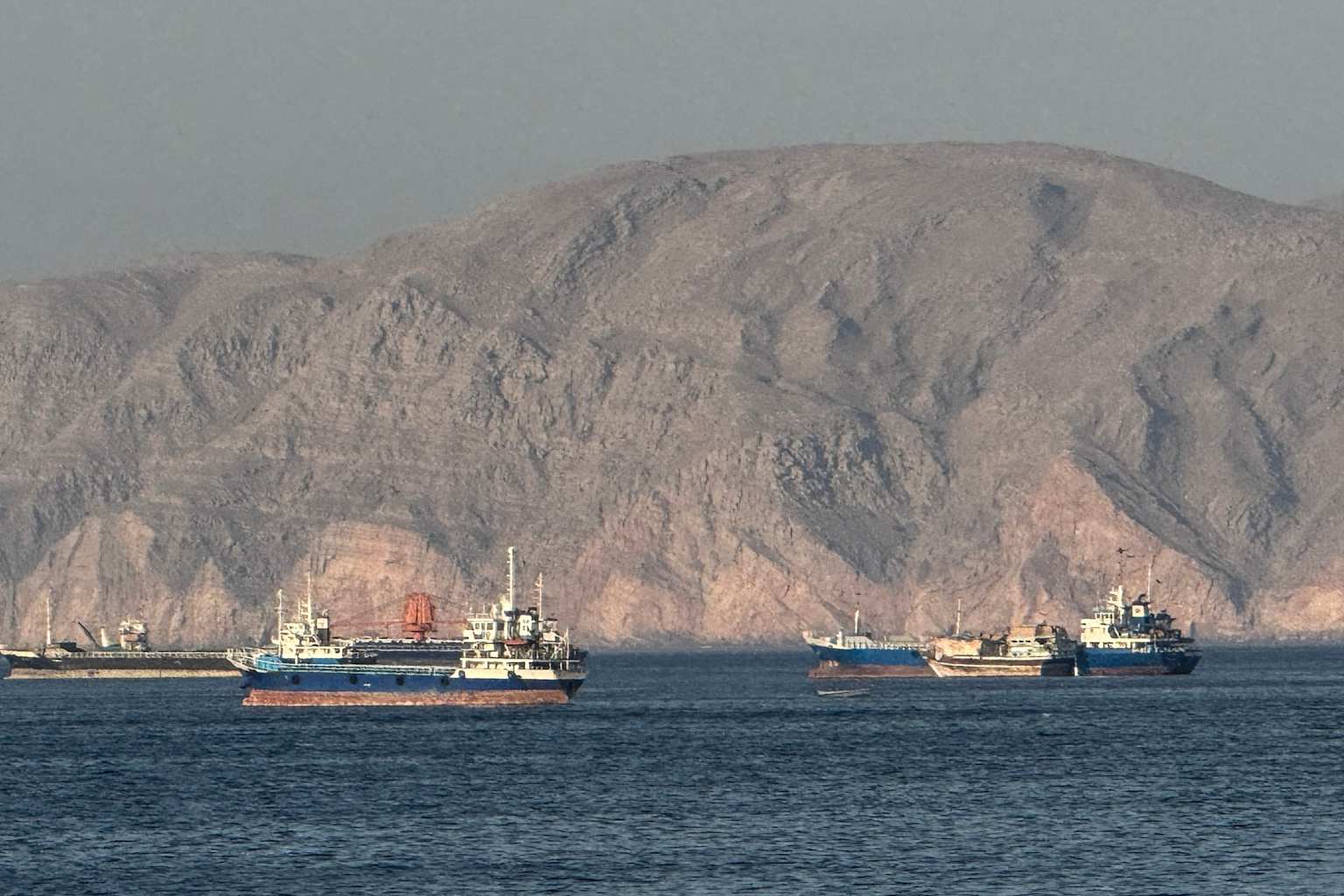
gcaptainbbc+1gcaptain+1Iran and Oman are closing in on an agreement to reopen the Strait of Hormuz to commercial shipping, but a dispute over transit fees and the scope of Iranian control over the waterway threatens to complicate any deal before it is finalized.
Iranian Foreign Ministry spokesperson Esmaeil Baqaei said Wednesday that the two countries had agreed on the geographic coordinates of a new shipping route and that a joint statement was "in the final stages of review and drafting," provided that "certain third parties do not obstruct the process". Iranian Deputy Foreign Minister Kazem Gharibabadi told state news agency IRNA that "an understanding in principle has been reached on almost all the raised issues" and that the arrangement could remain in effect for two to four months.bbc+2
The most contentious element of the emerging framework is whether ships will pay to transit the strait, which carried roughly a fifth of global oil supplies before the U.S.-Israeli strikes on Iran in late February triggered the ongoing conflict. A senior Iranian official told Reuters that Tehran is seeking fees of 5% to 7% of cargo values, while Oman has proposed charges of around 3%. The United States insists on no fees at all.reuters+1
Eight leading shipping associations sent an open letter to the United Nations' International Maritime Organization this week calling any compulsory charges "a toll in all but name" that would "undermine the internationally recognized legal framework governing straits used for international navigation and transit passage". The IMO's governing council said in July that passage through the strait should remain "free of any tolls and charges".fortune+1
Adding to the complications, Lloyd's Market Association introduced a clause in late July that terminates war-risk insurance for any vessel that pays a Hormuz transit fee, leaving shipowners in what one insurance source described as a "catch 22". U.S. sanctions on Iran's Persian Gulf Strait Authority, established by Tehran in May, create further compliance risks for any company making payments.reuters
Under the proposed arrangement, all inbound traffic would pass through Iranian territorial waters, while outbound vessels would use an Omani-controlled route in coordination with Tehran. Questions remain over the extent of Iran's authority over outbound shipping and who would supervise vessel inspections, with Gulf negotiators pushing for regional oversight.politicstoday+2
President Trump said at a Las Vegas rally Wednesday that "we are talking" with Iran and suggested a deal was imminent. Treasury Secretary Scott Bessent told CNBC a deal could be reached by Wednesday. But Iran has maintained it is negotiating only with Oman, not Washington, and Baqaei cautioned that a bilateral agreement "cannot in itself be interpreted as meaning the waterway has become safe".aljazeera+3
Analysts warn the proposed 60-day interim deal echoes the failed memorandum of understanding signed on June 17, which collapsed over disagreements about shipping routes and led to renewed attacks on vessels. "Everything is sort of kicked down the road for another 60 days, and it failed last time," said Matthew Wright, lead freight analyst at energy intelligence firm Kpler. Among the more than 2,300 Hormuz crossings tracked since late February, over 54% were "dark" transits with no reliable tracking signal, according to Kpler data.thenationalnews
Any agreement would require approval from Iran's Supreme Leader Mojtaba Khamenei, whose communication with officials has been limited since he was injured in the initial strikes. President Masoud Pezeshkian said Wednesday that communication with Khamenei is "very difficult at the moment".gcaptain