Newsletter Subscribe
Enter your email address below and subscribe to our newsletter
[forminator_form id="25163"]

All voices matter
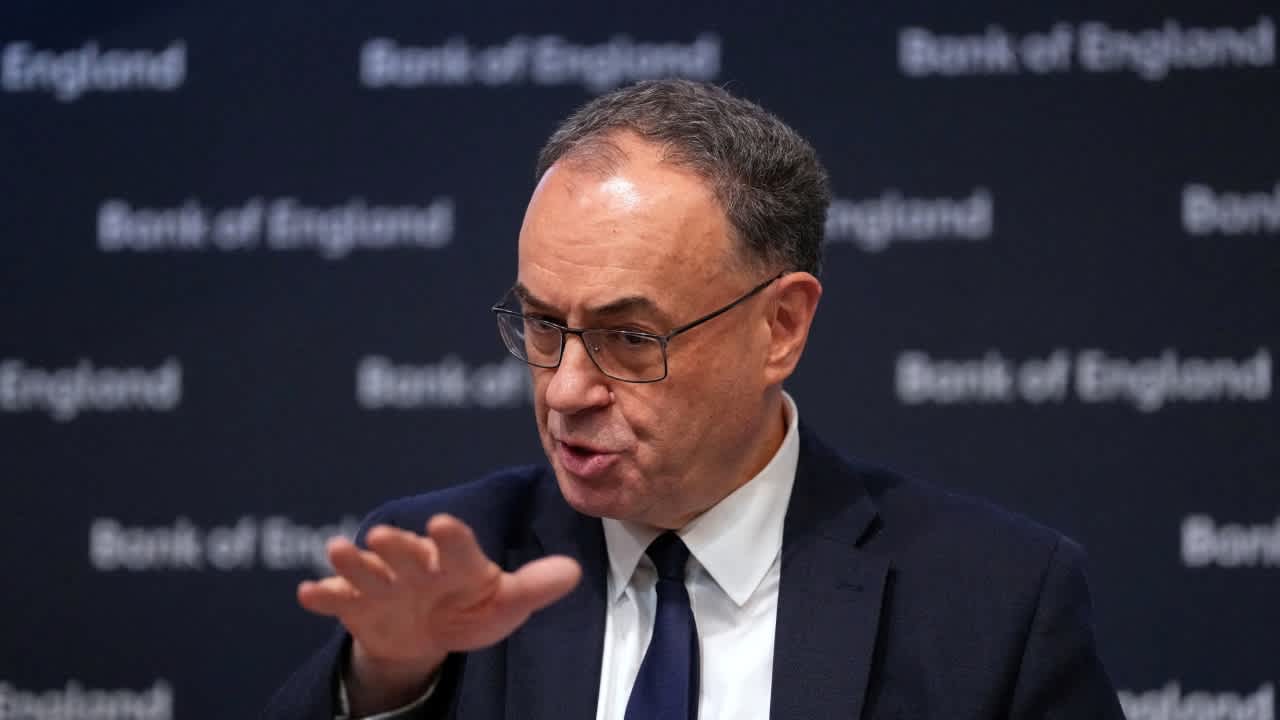
reuterswsjfsbBank of England Governor Andrew Bailey warned on Friday that governments across advanced economies face deep structural pressures on their finances, as a global bond market selloff pushes borrowing costs to levels not seen in decades.
Speaking at the London School of Economics' TRIUM MBA Anniversary Conference, Bailey pointed to weak productivity, ageing populations, the lasting fiscal impact of COVID-19, and rising defence spending as forces driving up public debt and, in turn, government borrowing costs.reuters+1
"There are very, very substantial challenges at the moment, structural challenges," Bailey said.investing+1
Bailey's remarks came during a week in which government bond yields surged worldwide. British 10-year bond yields reached their highest in almost 20 years, while longer-dated UK yields hit levels last seen in 1998. Japan's 10-year yield touched 3% for the first time since 1996, and yields in Germany and France rose to their highest in more than a decade, according to The Wall Street Journal News Corp .investing+1
Asked why investors had recently demanded a higher interest rate on French government debt than on bonds issued by cosmetics company L'Oréal, Bailey said the structural fiscal challenges were "relevant to thinking about the pressures on bond markets".investing+1
As chair of the Financial Stability Board, Bailey also warned ahead of this week's G20 finance ministers meeting that markets "remain vulnerable to a potentially disorderly correction that could spread across borders, particularly given fragilities in sovereign debt markets".fsb
Bailey's warning lands against the broader backdrop of the U.S. national debt surpassing $40 trillion for the first time in August, a milestone that has intensified the global conversation about fiscal sustainability. The gross debt reached $40.047 trillion on August 19, according to the Treasury Department, having doubled in just a decade.cnn+2
Maya MacGuineas, president of the Committee for a Responsible Federal Budget, said at the time that "unsustainable borrowing on this scale has huge repercussions throughout the economy, straining efforts to address affordability and risking a dangerous debt spiral if lawmakers don't act".cnn
The Congressional Budget Office has projected gross U.S. federal debt will reach approximately $64 trillion by the end of 2036. Interest payments on the debt alone now exceed $1 trillion annually, surpassing the defence budget.euronews+1
The convergence of rising yields, ballooning debt loads, and structural spending pressures leaves policymakers with narrowing options. As Bailey put it in his capacity as FSB chair last month, vulnerabilities in sovereign debt markets, private credit, and stretched asset valuations pose risks of contagion across borders. With bond markets repricing the fiscal outlook in real time, the cost of inaction continues to compound.fsb