Newsletter Subscribe
Enter your email address below and subscribe to our newsletter
[forminator_form id="25163"]

All voices matter
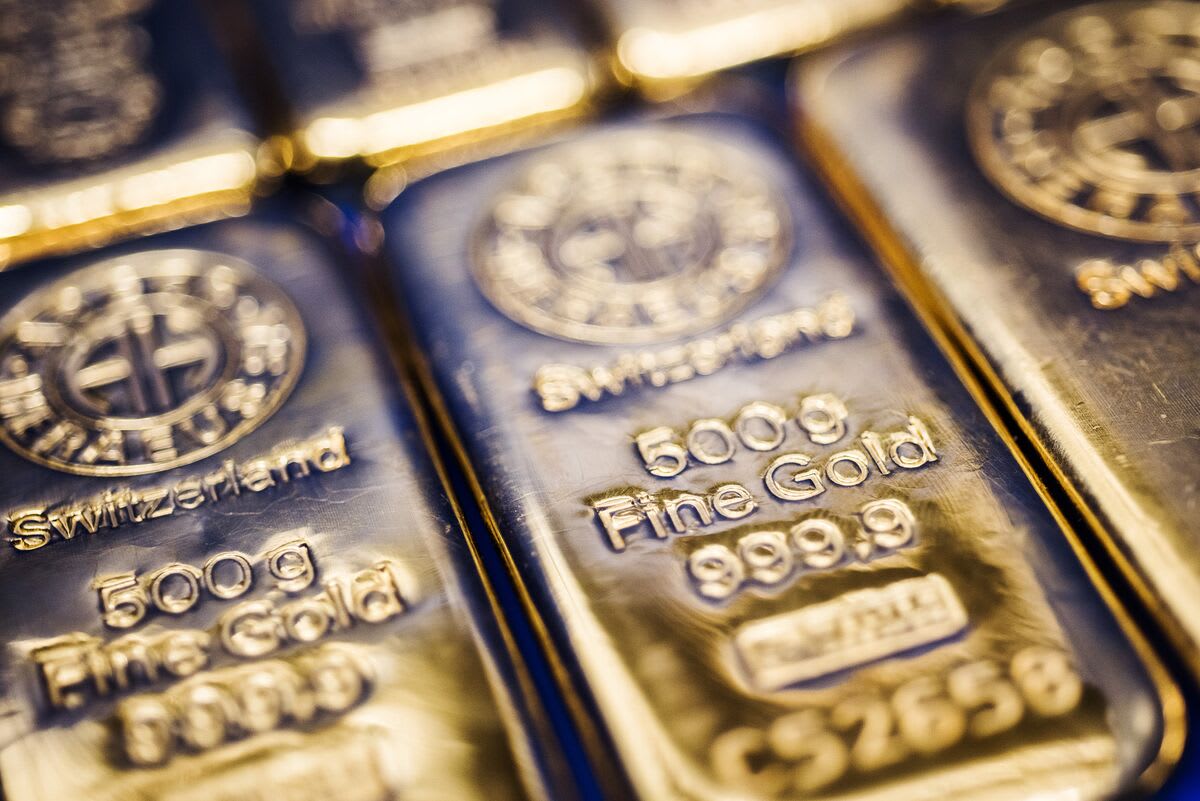
finimize+1finimizeenglish.aawsatGold prices slipped modestly on Monday after steadying near $4,370 an ounce, as a synchronized wave of central bank rate hikes reshaped the forces driving the precious metal's price. The Federal Reserve's 25-basis-point increase on Sept. 16 — its first in more than three years — was followed by the Bank of Japan's surprise tightening on Friday, creating a cluster of global monetary tightening alongside the European Central Bank's hike the week before.finimize+1
Spot gold fell 0.3% to $4,362.60 per ounce in early Monday trading, after posting a modest gain last week, according to Reuters. The decline came despite elevated Middle East tensions, with the United States and Iran exchanging fresh threats ahead of the United Nations General Assembly.english.aawsat+1
What has puzzled markets is gold's resilience in the face of higher rates. Deutsche Bank's metals flow report identified central bank reserve management institutions as the key force behind the rally, according to Daniel Ghali, the bank's head of metals research. Commercial buying, non-commercial buying, and CTA strategies all failed to show meaningful inflows after the Fed's decision, yet gold broke above a downtrend that had held since the Jackson Hole symposium.news.futunn
Ghali's report argued that geopolitical tensions in the Strait of Hormuz carry far greater weight for reserve managers than the Fed's rate path. As energy prices decline, oil-exporting nations face reduced foreign-exchange earnings, increasing pressure to reallocate reserves toward gold as a non-sovereign asset. Deutsche Bank concluded that gold's pricing framework is quietly shifting from an interest-rate model to one more closely linked to oil prices.news.futunn
Despite gold's near-term softness, analysts broadly expect prices to keep climbing. The Straits Times reported that central banks bought 289 tonnes of gold in the second quarter of 2026, with full-year purchases expected to reach 700 to 900 tonnes — nearly double the pre-2022 annual average. The People's Bank of China alone purchased more than 20 tonnes in August, its largest monthly buy since 2023.straitstimes
UOB forecasts gold at $4,500 an ounce in the fourth quarter and $5,400 by the third quarter of 2027, while DWS projects $5,000 by September 2027. Christopher Irwin of Julius Baer noted that "gold's bull market began in late 2023 under a more restrictive US policy regime, underscoring that the metal's trajectory is being shaped by forces well beyond interest rates".straitstimes
Tim Waterer, chief market analyst at KCM Trade, said gold may trade in a roughly $4,200 to $4,580 range in the near term, adding that "for gold to gain meaningful upside traction, a clear move lower in oil and/or bond yields is likely required". Deutsche Bank is maintaining a strategy of buying gold on algorithmic sell-offs when crude rises, and going long on gold if crude signals a reversal — a framework built on the view that the gold-oil correlation has become the primary pricing anchor.english.aawsat+1