Newsletter Subscribe
Enter your email address below and subscribe to our newsletter

All voices matter
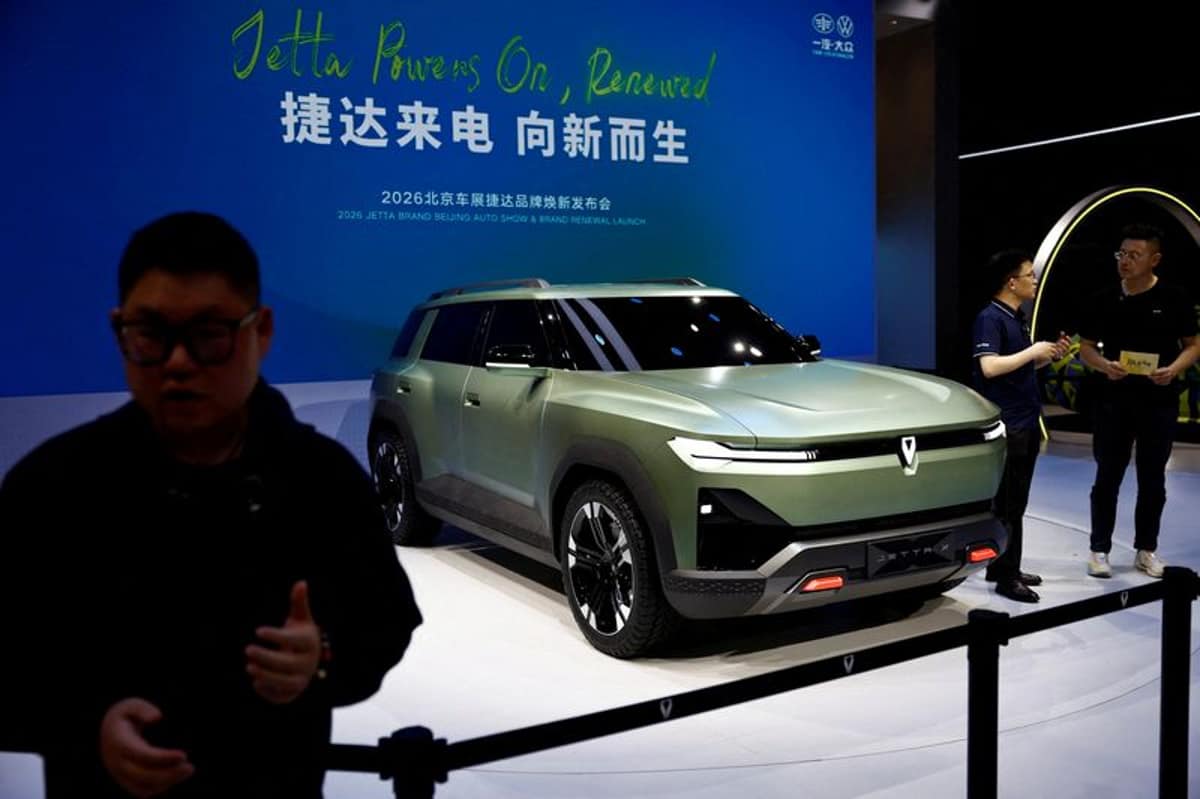
reutersinvesting+1reuters+1Volkswagen, Mercedes-Benz, and BMW Bayerische Motoren Werke AG each suffered sales declines of at least 30% in China during the second quarter of 2026, as local electric vehicle competitors continue to outpace Europe's legacy automakers in the world's largest car market.investing+1
Volkswagen posted the steepest year-on-year drop at 36.6%, with deliveries falling to 424,300 vehicles in the April-to-June period. BMW and Mini brand sales in China slumped 30%, while Mercedes-Benz car deliveries fell 8% globally, with China representing the sharpest regional drag.reuters+4
The German brands, which built their dominance in China on combustion engine heritage, are struggling to compete with domestic manufacturers led by BYD, which unseated Volkswagen as the market's top-selling carmaker in 2024.investing
"They're trying to play catch-up at a very rapid pace, whilst their competition is running at twice the speed," said Paul Bennett, managing partner at advisory firm Madox Square, as quoted by Reuters.reuters+1
Volkswagen sales executive Marco Schubert acknowledged the difficulty, saying the company "was unable to escape the overall market decline of around 20%, despite initial positive momentum from our newly launched, locally developed electric vehicles."investing
Car sales in China fell for a ninth consecutive month in June, according to Reuters, prompting Chinese automakers to increasingly turn to export markets including Europe.reuters+1
None of the three German automakers were able to offset their China losses elsewhere, recording global sales declines of 8.6%, 8%, and 4.9% respectively. The erosion has intensified debate within the European Union about how to respond to China's growing industrial dominance.reuters+1
The EU's Industrial Accelerator Act, published in March 2026, creates a "Made in Europe" framework requiring manufacturers to meet local-content thresholds to qualify for procurement benefits. Beginning in July 2026, the bloc will also cut tariff-free steel quotas by 47% and double out-of-quota duties to 50%, while a proposed "overcapacity instrument" would allow Brussels to respond to systemic market distortions across sectors including batteries and clean technology.atlanticcouncil
Analysts at the European Think Tank Network on China warned in a June report that China's drive to become a global leader in science and technology has "huge implications" for the EU, requiring both innovation in specialized technologies and bold policy action.clingendael