Newsletter Subscribe
Enter your email address below and subscribe to our newsletter
[forminator_form id="25163"]

All voices matter
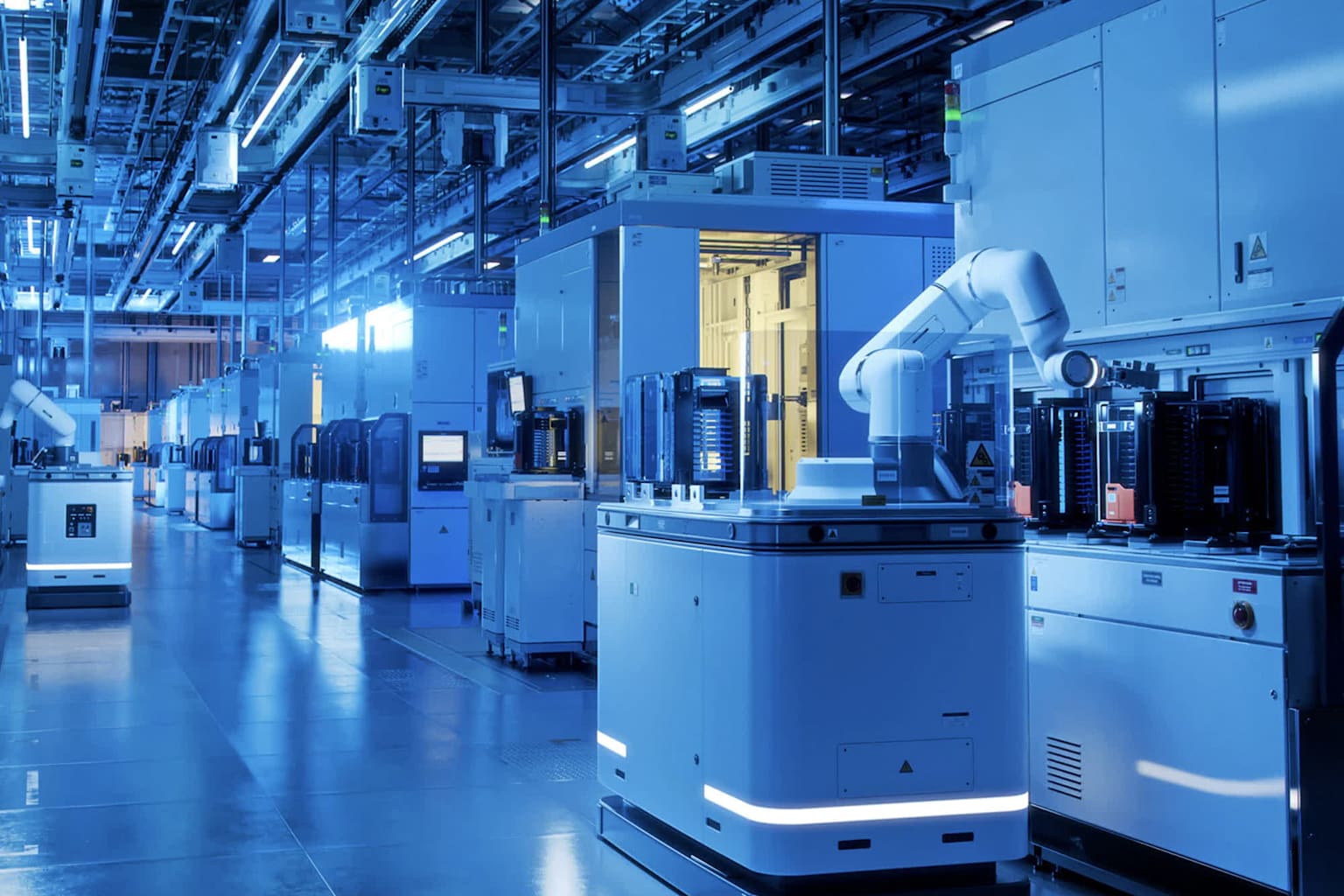
gurufocus+1binance+1gurufocus+1Nvidia is accelerating development of its next-generation Feynman AI chip platform, targeted for mass production in the second half of 2028, forcing TSMC Taiwan Semiconductor Manufacturing Company Limited to fast-track expansion of its most advanced fabrication and packaging facilities.
According to industry reports published on August 13 and 14, the Feynman architecture will adopt TSMC's A16 process — an enhanced version of its 2-nanometer node — along with SoIC 3D chip stacking and co-packaged optics technology. The combination represents a leap beyond the current Rubin generation, which focuses on multi-chip and high-bandwidth memory integration.binance+1
To meet projected demand, TSMC has raised its SoIC monthly output target from 20,000 wafers by end-2026 to approximately 50,000 wafers by end-2027. The chipmaker is also accelerating construction at its Chiayi AP7 and Tainan AP8 advanced packaging facilities. At AP7, phases one and two are already in equipment installation, phases three and four have received building permits, and phases five through eight remain in planning. The AP7 site will initially mass-produce wafer-level multi-chip modules before adding SoIC and CPO lines based on customer demand.x+1
On August 13, Nvidia announced it is ramping production for its Vera Rubin platform while simultaneously accelerating product iterations for the Feynman generation, a move designed to leverage its R&D and supply chain resources to push TSMC's advanced technology forward.gurufocus
Separately, Nvidia's Spectrum-X Ethernet Photonics CPO switches have entered full mass production, according to a TrendForce report from late July. The switches integrate co-packaged optics directly onto the ASIC, a technology Nvidia first announced at GTC in March 2025 with availability planned for the second half of 2026. TSMC and Foxconn Hon Hai Precision Industry Co., Ltd. are leading supply chain positioning for the CPO ramp.trendforce+2
The simultaneous push on Feynman development and CPO deployment underscores the tightening link between Nvidia's roadmap and TSMC's capital expenditure cycle. TrendForce noted in March that Nvidia's Rubin Ultra and Feynman architectures would boost demand for TSMC's SoIC capacity as well as equipment suppliers. With cloud operators expected to continue increasing capital expenditure through 2026, the supply chain buildout for 2028-era AI infrastructure is already well underway.tradingview+1