


Newsletter Subscribe
Enter your email address below and subscribe to our newsletter
[forminator_form id="25163"]

All voices matter

Colossal Biosciences said on Wednesday, October 14, that a new artificial intelligence platform called GenoMorph has found about 2,300 candidate gene-editing targets that may explain the dodo's large hooked beak and facial structure. The Dallas-based company plans to edit dodo…

Hawaiʻi and Rapa Nui sit about 7,000 kilometers apart, at opposite corners of the Polynesian triangle. A new genetic study finds that their peoples are each other's closest relatives among the remote island populations studied. The likely reason is that…

A team of researchers at Boston Children's Hospital, Dana-Farber Cancer Institute, and the Broad Institute has discovered a previously unknown genetic pathway that activates fetal hemoglobin, opening a potential new front in the treatment of sickle cell disease and beta…

Anthropic announced on Wednesday the launch of a new life sciences research group and laboratory, revealing that its AI model Claude autonomously discovered a previously uncharacterized enzyme system with structural similarities to CRISPR, the powerful gene-editing technology.
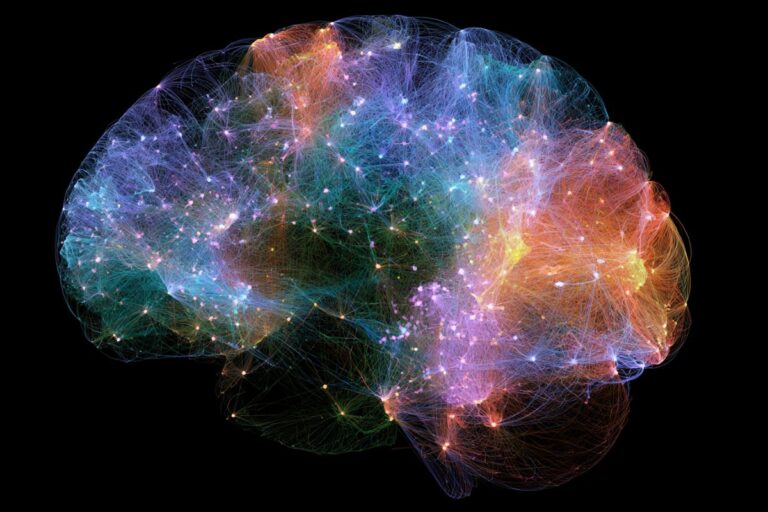
More than 1,200 genes have been linked to autism spectrum disorder, but new research published in Science on September 18, 2026, reveals that this vast genetic diversity funnels into just two opposing molecular states in the brain — a finding…

A rare inherited mutation in the EGFR gene is associated with a 25-fold increased risk of lung cancer — and among people who have never smoked, the risk jumps to more than 60-fold — according to a study published Thursday…

Scientists have identified a gene-editing system believed to be over four billion years old, one that may have given rise to CRISPR and could eventually surpass it as a tool for modifying DNA. The system, called VIPR — short for…
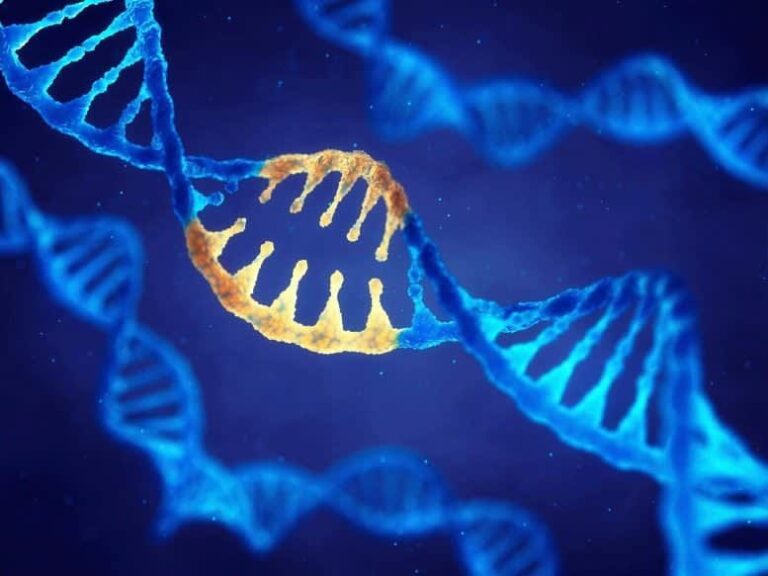
A new genome engineering method called prime assembly now allows researchers to stitch long DNA fragments into precise, programmable locations within living human cells, a development that could open the door to universal gene therapies applicable across many patients. The…

Scientists at Stanford University have transplanted lab-grown human brain tissue into mice engineered to lack most of their cerebral cortex, creating hybrid animals whose brains are roughly half human by volume — a advance that researchers say could reshape the…

A sweeping genetic analysis of up to 1.14 million people has identified 1,260 specific DNA variations tied to the Big Five personality traits, making it the largest genomic study of personality to date. The findings, published in Nature, reveal that…
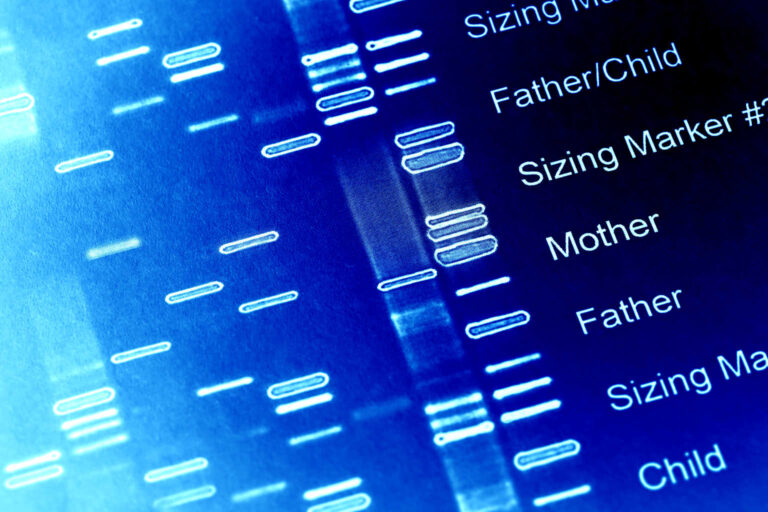
Scientists at the Salk Institute have assembled the first atlas of microproteins in the human frontal cortex, cataloging over 1,000 previously uncharacterized tiny proteins and uncovering a potential link between one of them and immune cell dysfunction in Alzheimer's disease.…

A newly born neuron does not simply inherit a ready-made identity from the stem cell that produced it. Instead, it constructs that identity during a brief window right after its final cell division, when the regulatory landscape of its DNA…

A team of researchers led by Columbia University has demonstrated that base editing can modify genes in human embryos with remarkable precision, achieving 100% accuracy in some experiments, but the study published Wednesday in Nature also exposed a range of…
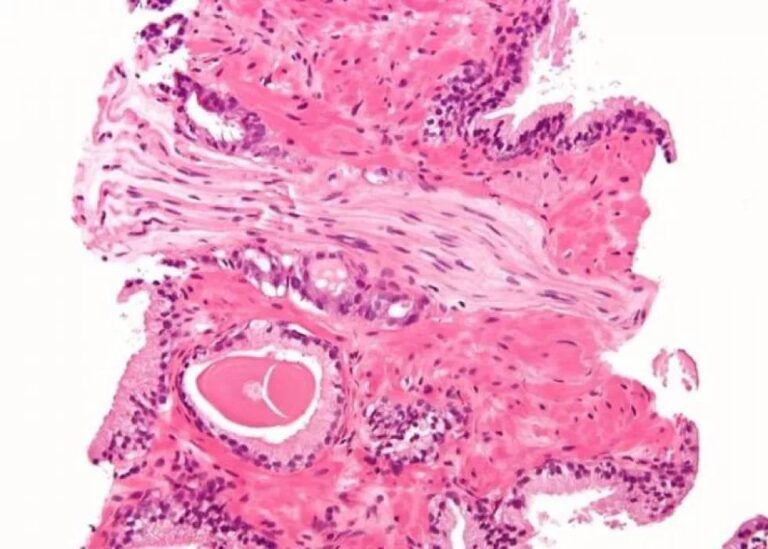
An international team of researchers has identified eight distinct genetic "footprints" that account for roughly 85 percent of all prostate cancer cases, offering a new way to distinguish between harmless tumors and those likely to become life-threatening. The study, published…

Google Alphabet Inc. DeepMind on Tuesday released AlphaGenome Atlas, a database containing predictions for the molecular effects of all 9 billion possible single-letter DNA changes in the human genome — an effort the company describes as "the most comprehensive catalogue…
Researchers at Harvard Medical School have found that instructions from different genes — even those located on separate chromosomes — can combine to create chimeric mRNAs that produce previously unknown, functional proteins. The findings, published Wednesday in Nature Springer Nature…

The largest genetic investigation of personality ever conducted has identified 1,260 genetic variants associated with the Big Five personality traits, but researchers stress that DNA is far from destiny — environment still does most of the heavy lifting in shaping…

Researchers at the University of Toronto have demonstrated that chemically modified transfer RNA molecules, delivered to the lungs via inhaled nanoparticles, can restore production of a critical protein in models of cystic fibrosis — offering a potential treatment path for…

Scientists have developed a way to run two separate genetic codes at the same time within a single biological system, bypassing one of the most fundamental constraints in synthetic biology. The research, published in Nature on August 26, 2026, introduces…

Researchers at the University of Vienna have produced the largest-ever comparison of chromosome-scale animal genomes, revealing that the evolution of animal DNA architecture follows a limited set of one-way "evolutionary highways" rather than changing at random. The study, published on…

An international team of scientists has published what they describe as the most comprehensive catalog to date of how human cells interpret their genetic instructions, mapping the DNA-binding preferences of hundreds of transcription factors and revealing how chemical modifications reshape…

Researchers at the University of California San Diego have identified a shared cellular mechanism that drives brain degeneration in both a rare childhood disorder and Alzheimer's disease, revealing a potential new avenue for drug development targeting neurodegenerative conditions.
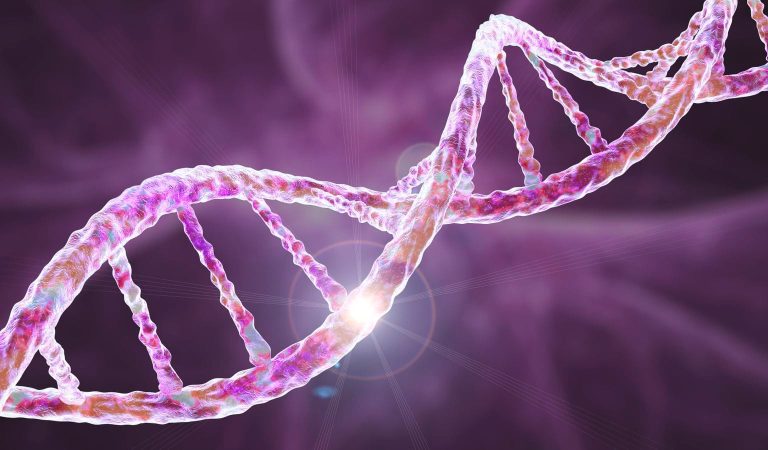
Scientists have reconstructed the complete genome of a living person for the first time, capturing full sets of chromosomes from each parent in a achievement that researchers say will make personalized genomics routine in medical care. The advance, published Thursday…

Researchers have for the first time mapped how deep brain stimulation alters gene expression across individual cell types in living human brain tissue, a step that could open new avenues for treating cognitive decline.

A Neanderthal version of the growth hormone receptor causes cells to grow about 40 percent more in response to growth hormone and is associated with greater muscle mass in people who carry it today, according to a study published on…
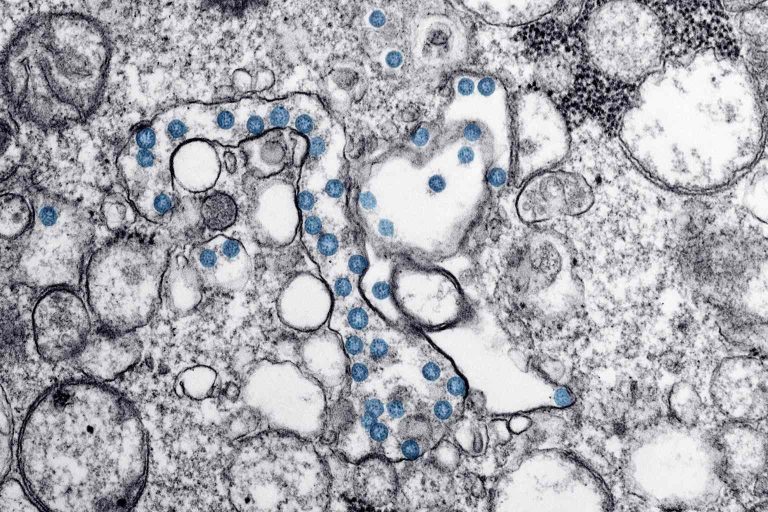
For five centuries, the deadliest epidemic in the history of the Americas lacked molecular proof of its origin. That gap has now been filled. Researchers from Trinity College Dublin and the University of Chile have recovered variola virus DNA from…

A previously unknown ancient human relative interbred with our ancestors in Africa more than 50,000 years ago, leaving genetic traces that persist in every living person on Earth, according to a study published Thursday in the journal Science.
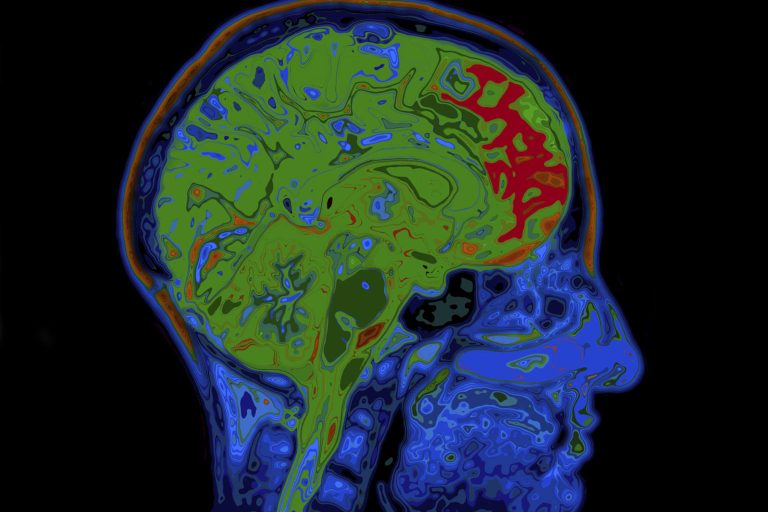
The largest genetic study of fibromyalgia ever conducted has identified 26 genomic regions associated with the chronic pain condition, providing what researchers call the strongest evidence yet that it is rooted in the nervous system rather than being a psychological…

A sweeping international study published in Nature on July 22 has provided the first direct evidence that a person's inherited genetic makeup can determine how DNA damage from environmental exposures leads to cancer — and how that cancer evolves over…

Researchers at UC San Diego and Rady Children's Institute for Genomic Medicine have demonstrated that personalized gene therapy tailored to individual genetic mutations can dramatically reduce seizures and unlock developmental milestones in children with a severe form of epilepsy. The…