Newsletter Subscribe
Enter your email address below and subscribe to our newsletter
[forminator_form id="25163"]

All voices matter
cryptonews+1cryptonews+1thestreet+1Russia's Federal Security Service (FSB) shut down nine unregistered cryptocurrency exchange offices in Moscow and arrested more than 20 people on August 7, in the country's first major enforcement action since President Vladimir Putin signed a comprehensive digital asset law days earlier.thestreet+2
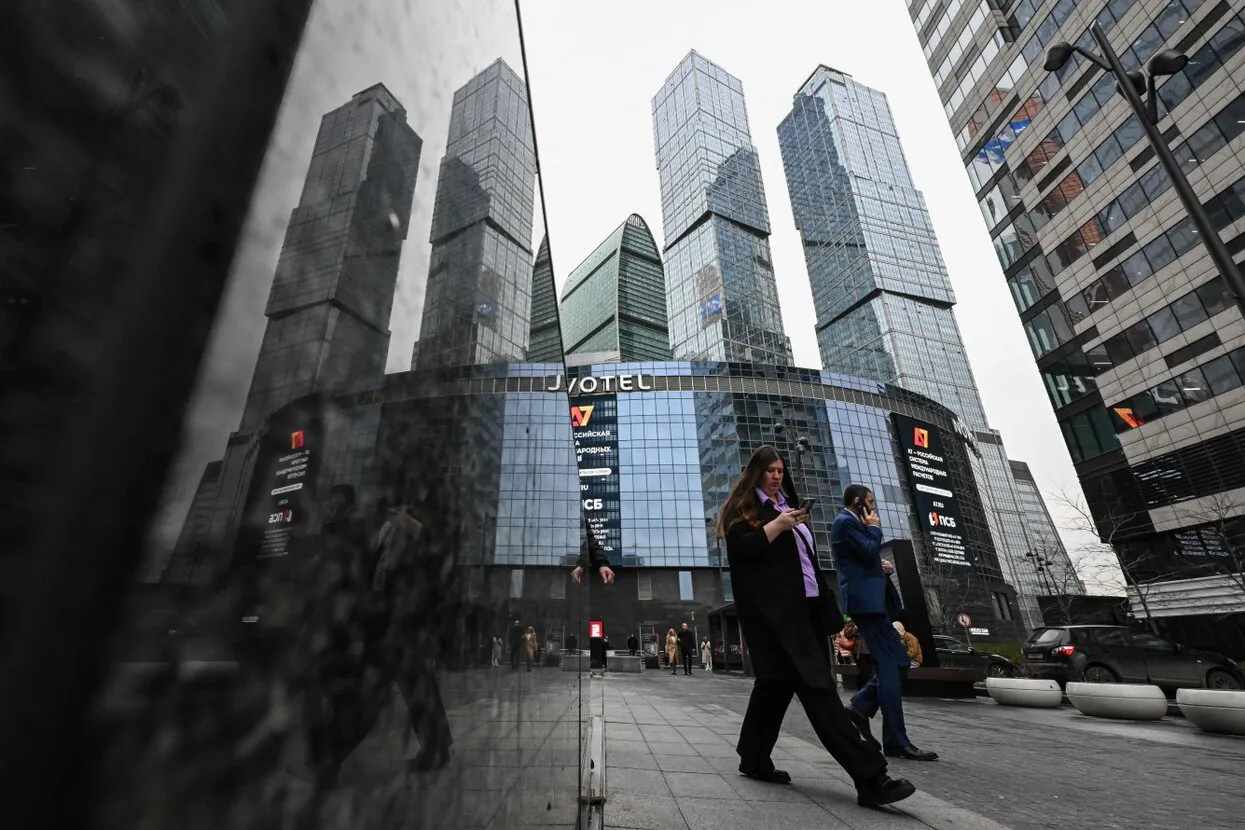
The raids targeted exchange operations in the Moscow International Business Center, commonly known as Moscow City. Authorities allege the platforms converted money stolen from Russian citizens through phone scams into cryptocurrency before transferring it to accounts controlled by Ukrainian coordinators.cryptonews+1
According to the FSB's statement, the fraud network operated through several steps. Victims of phone scams, including pensioners, were kept in continuous contact with fraudulent call centers and followed detailed instructions without realizing the nature of the transactions. Couriers aged 18 to 25 collected cash from victims and delivered it to the exchange platforms, where operators converted the funds into crypto assets for transfer abroad.cointribune+1
The FSB said many of those recruited to work at the exchanges had been hired remotely from different Russian regions and had limited financial knowledge, drawn in by promises of easy earnings. Russia's Interior Ministry has opened criminal cases under fraud statutes that carry penalties of up to 10 years in prison.cryptonews+2
The enforcement action comes less than a week after Putin signed Russia's new digital asset law on August 4, which establishes a regulated framework for cryptocurrency exchanges, brokers, custodians, and other market participants. Core provisions take effect on September 1, 2026, with full implementation by September 1, 2027.cryptonews+1
Under the legislation, crypto exchange providers must join a government registry and maintain minimum capital of 15 million rubles. Retail investors face an annual purchase cap of 300,000 rubles per intermediary, while the law continues Russia's ban on using cryptocurrency Bitcoin as legal tender for domestic payments. Cross-border trade settlements using digital assets are permitted.thestreet+1
The crackdown signals that Russian authorities intend to enforce the boundary between the incoming regulated market and unauthorized operations, even before registration requirements become mandatory.