Newsletter Subscribe
Enter your email address below and subscribe to our newsletter
[forminator_form id="25163"]

All voices matter
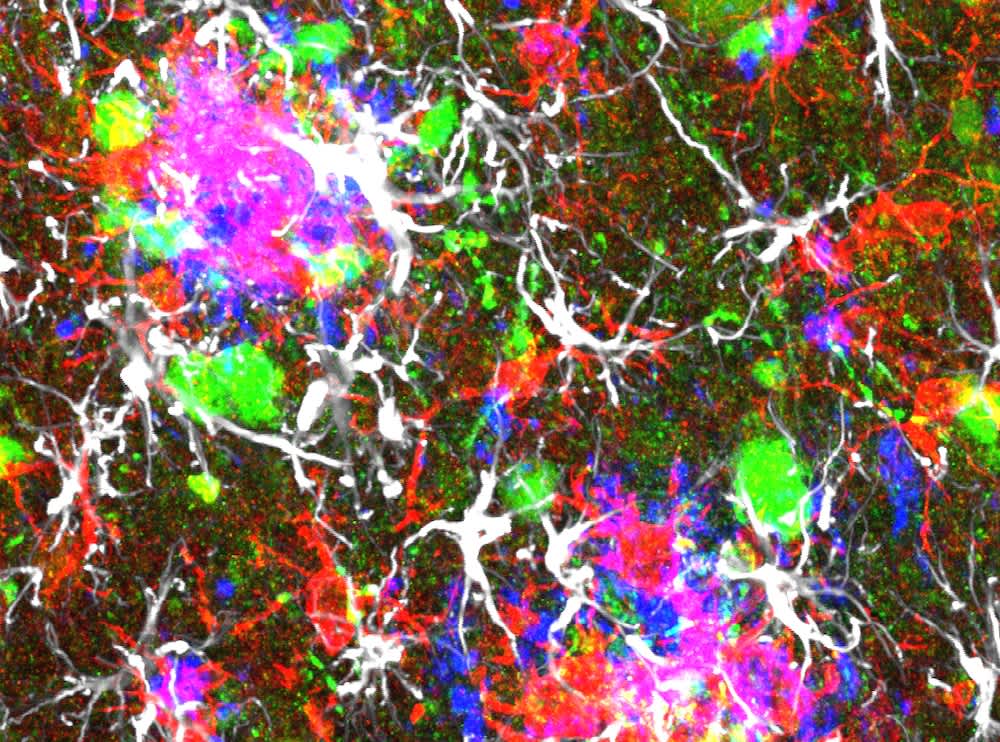
nature+1lifesciencedaily+1news-medical+1Researchers at King's College London have identified a previously unknown form of programmed cell death called karyoptosis in the brains of patients with Alzheimer's disease and frontotemporal dementia, a discovery that could reshape understanding of how neurons are lost in neurodegenerative diseases.
The study, published in Nature Communications on June 25, found that toxic protein accumulation inside neurons triggers a cascade of chemical reactions that causes the cell's nucleus to shrink and disintegrate before the cell dies. Unlike apoptosis and other known forms of cell death, karyoptosis specifically targets the nucleus — the structure housing a cell's genetic material — destabilizing its outer membrane and leading to its collapse.alzheimersresearchuk+3
Analysis of patient brain tissue revealed that 35 percent of cells from the frontal cortex of Alzheimer's patients showed markers of karyoptosis, compared to only 15 percent in healthy aged controls. The research, conducted in collaboration with the UK Dementia Research Institute and funded in part by Alzheimer's Research UK, examined approximately 3,000 patient brain cells.eurekalert+2
The team mapped the molecular pathway driving karyoptosis and identified a critical control point: the interaction between a kinase called p38 MAP kinase and a structural protein called LaminB1. By targeting kinases that act as switches in this pathway, researchers were able to reduce levels of karyoptosis markers in rat neurons in laboratory conditions.news-medical+1
"Their findings offer fresh hope for treatments that may slow disease progression and preserve brain function," Alzheimer's Research UK said in a statement accompanying the publication.alzheimersresearchuk
Understanding why brain cells die in Alzheimer's and frontotemporal dementia has remained one of neuroscience's most stubborn challenges. While toxic protein buildup — including amyloid plaques and tau tangles — has long been implicated, the precise mechanism linking this accumulation to widespread neuronal death had not been fully explained. The discovery of karyoptosis suggests this process may account for a portion of neuronal loss that existing models have struggled to address.lifesciencedaily+1
The paper, titled "Karyoptosis mediates cell death and neurodegeneration upon proteotoxic stress" by Casterton et al., now opens a new avenue for drug development aimed at interrupting the pathway before irreversible damage occurs.nature+1