


Newsletter Subscribe
Enter your email address below and subscribe to our newsletter
[forminator_form id="25163"]

All voices matter

Three scientists whose work lets researchers switch brain cells on and off with light won the 2026 Nobel Prize in Physiology or Medicine on Monday. Karl Deisseroth, Peter Hegemann and Georg Nagel were recognized "for their discoveries concerning light-gated ion…
You're all caught up
You've seen all the main stories from the past 2 days.

A study published in Nature Neuroscience on September 18 has upended a foundational assumption in neuroscience: the human brain, long treated as a single organ with a shared developmental origin, appears to be two ancient nervous systems fused together over…
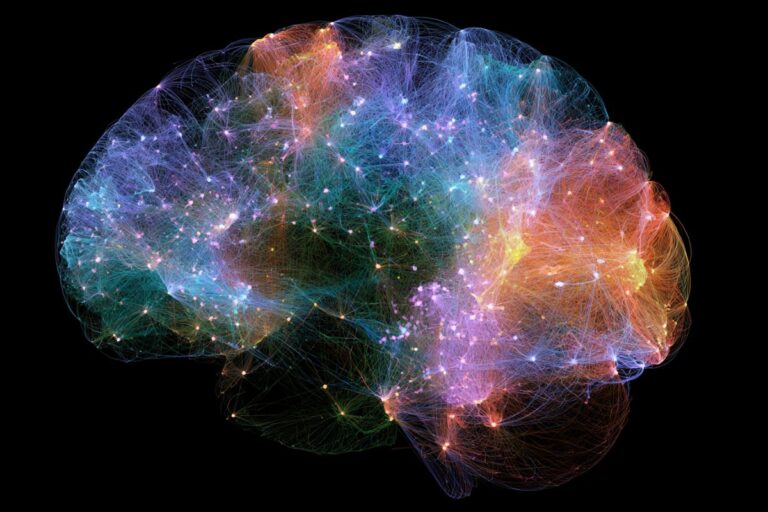
More than 1,200 genes have been linked to autism spectrum disorder, but new research published in Science on September 18, 2026, reveals that this vast genetic diversity funnels into just two opposing molecular states in the brain — a finding…
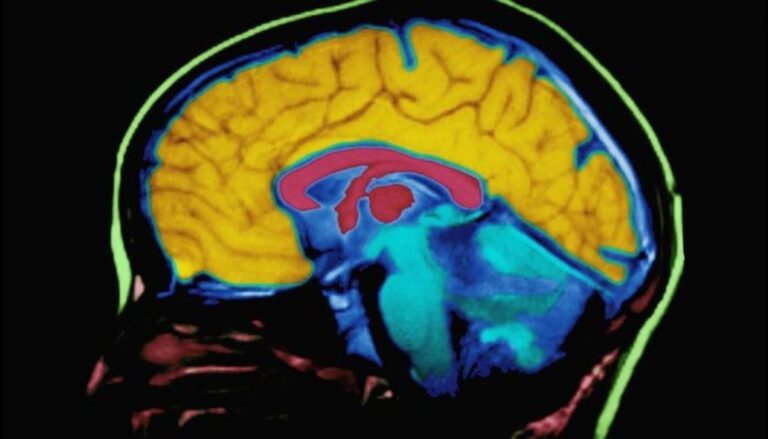
The human brain is not the singular organ scientists long assumed it to be. A study published Friday in Nature Neuroscience by a Stanford Medicine-led research team reveals that the brain develops from two separate populations of progenitor cells, overturning…

Scientists at Stanford University have transplanted lab-grown human brain tissue into mice engineered to lack most of their cerebral cortex, creating hybrid animals whose brains are roughly half human by volume — a advance that researchers say could reshape the…
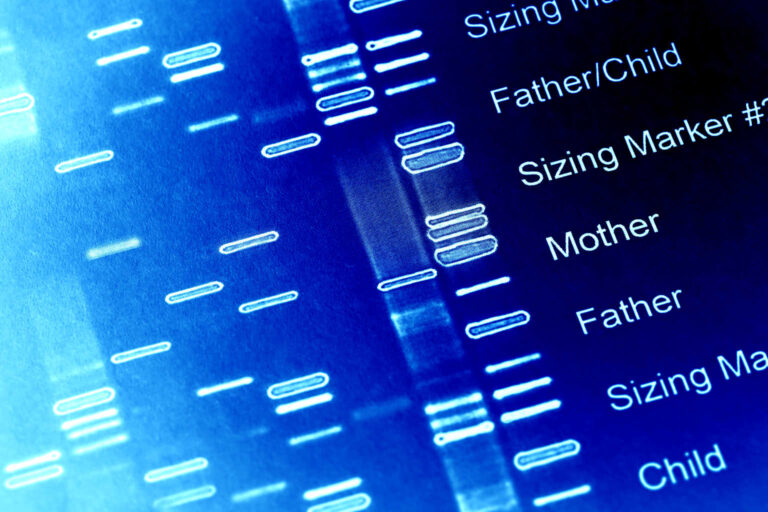
Scientists at the Salk Institute have assembled the first atlas of microproteins in the human frontal cortex, cataloging over 1,000 previously uncharacterized tiny proteins and uncovering a potential link between one of them and immune cell dysfunction in Alzheimer's disease.…
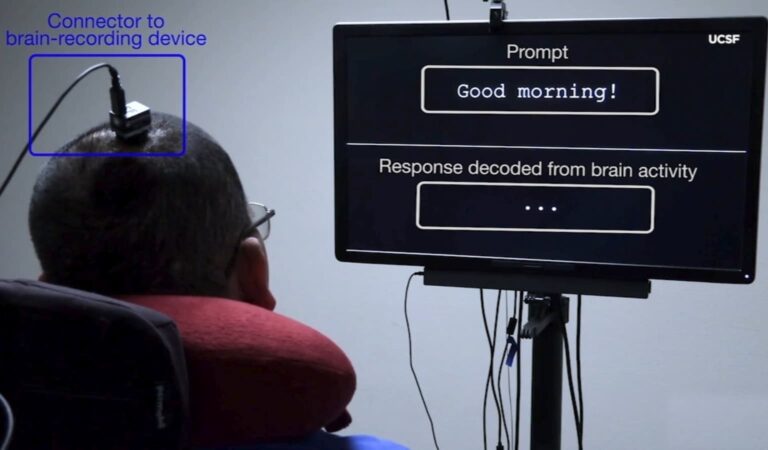
Researchers at the University of California, San Francisco have demonstrated for the first time that a single brain-computer interface can translate a paralyzed person's intended speech and upper-body gestures simultaneously, allowing them to control a full-body virtual avatar that talks…

A newly born neuron does not simply inherit a ready-made identity from the stem cell that produced it. Instead, it constructs that identity during a brief window right after its final cell division, when the regulatory landscape of its DNA…

Scientists at HHMI's Janelia Research Campus have developed a technique that can simultaneously record real-time communication signals from nearly every cell in a living vertebrate — a first in biology that offers an unprecedented window into how the body's organs…

Two studies from UCLA, published Thursday in the journals Cell and Science, have uncovered the metabolic and physical cues that guide radial glia — the stem cells responsible for building much of the human cerebral cortex — as they decide…
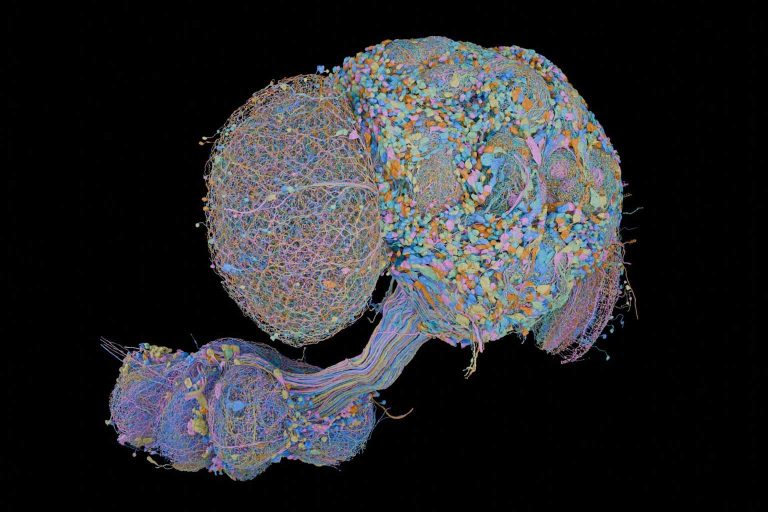
An international team of researchers has mapped every neuron in the central nervous system of an adult male fruit fly, producing the most complete wiring diagram ever assembled for a complex animal. The connectome, published Thursday in the journal *Cell*,…
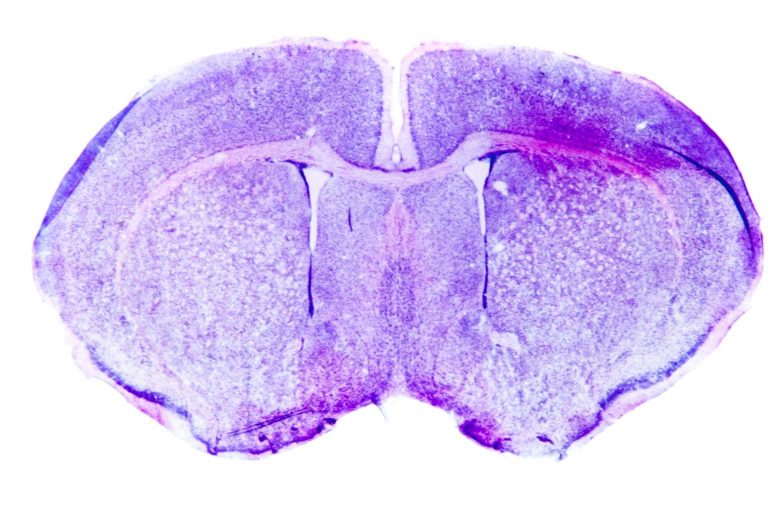
Researchers at the University of South Carolina have developed a nanoparticle-based therapy that reversed cognitive decline in mice with Alzheimer's disease by converting brain support cells into functioning neurons — a approach that avoids permanent genetic modifications and could chart…

The brain's language system appears immune to the ravages of aging, according to a study published Monday in Nature Communications by researchers at MIT and Boston University. While neural networks governing memory and problem-solving deteriorate with age, the regions responsible…

Researchers at Washington University School of Medicine in St. Louis have identified lymph node-like immune structures inside the skull bone marrow of mice, revealing what they describe as dedicated "security stations" positioned to defend the brain against cancer and potentially…

Harvard neuroscientists have kept lab-grown human brain organoids alive for more than five years, tripling the previous record and demonstrating that these miniature models of the cerebral cortex can faithfully replicate the developmental timeline of a living human brain. The…

Alzheimer's disease may leave detectable traces in the brain more than seven years before amyloid plaques — long considered the earliest measurable sign of the condition — become visible on PET scans, according to a study published this week in…

Neuroscientists at MIT have discovered the first evidence that the brain employs flexible, multipurpose neural modules — clusters of neurons in the prefrontal cortex that can switch between storing sensory information and action plans in working memory, rather than relying…
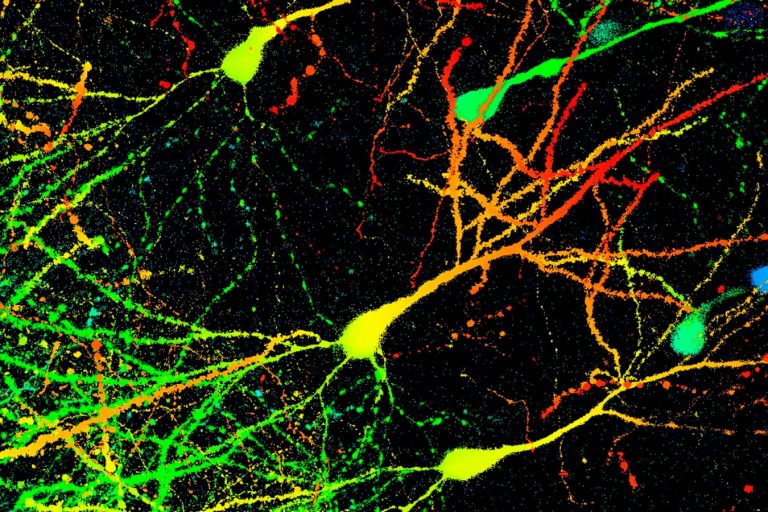
Long-term memories may not depend on the strength of individual connections between neurons, as neuroscientists have long believed. Instead, memories appear to survive through resilient clusters of synaptic architecture — a finding revealed by putting mice into artificial hibernation and…

Researchers at the University of California San Diego have identified a shared cellular mechanism that drives brain degeneration in both a rare childhood disorder and Alzheimer's disease, revealing a potential new avenue for drug development targeting neurodegenerative conditions.
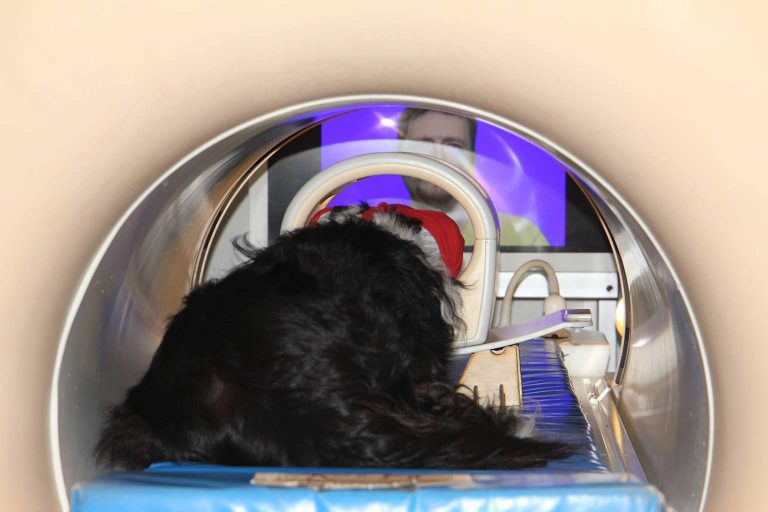
Dogs do not just read the room — they read the face. A pair of studies published this week offer new evidence that the canine brain is wired to decode human emotional signals, shaped by thousands of years of domestication…
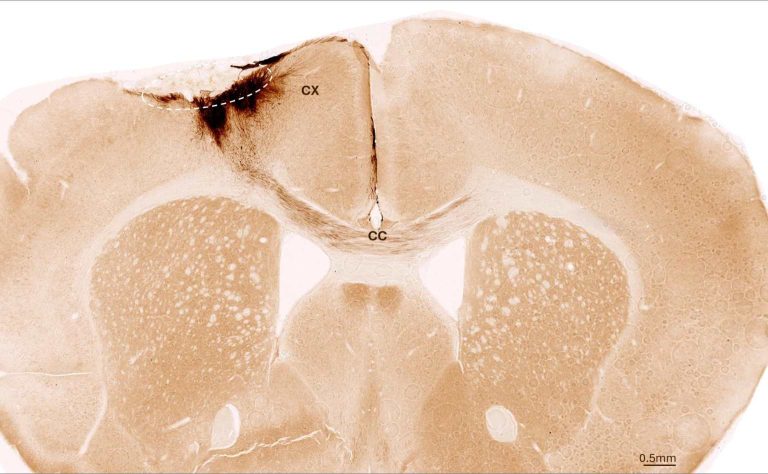
The adult brain can regenerate itself better than long assumed following injuries or certain autoimmune diseases, according to a study published Monday by researchers at the University of Zurich. The team discovered a specialized group of "regenerative" astrocytes that repopulate…

Researchers have demonstrated that artificial intelligence can make future visual cortical prostheses — devices sometimes called "bionic eyes" — more precise and adaptive, according to a proof-of-concept study published August 7 in the journal Neuron.

A new study published Thursday in the journal Science overturns a long-held assumption about how primates — including humans — came to have such large and complex brains. Rather than independent expansion of the frontal lobe, the region most often…

Researchers at the University of California, Santa Cruz Genomics Institute have published the first gapless, telomere-to-telomere genome of the common marmoset, a milestone they say will sharpen the study of Alzheimer's disease and other neurodegenerative conditions. The findings, published Thursday…
Roche and its subsidiary Genentech have advanced the first neuroscience drug target to emerge from their artificial intelligence partnership with Recursion Pharmaceuticals, moving it into an early discovery program in what both companies describe as a proof point for AI-driven…

Researchers have for the first time mapped how deep brain stimulation alters gene expression across individual cell types in living human brain tissue, a step that could open new avenues for treating cognitive decline.

A first-of-its-kind clinical trial has demonstrated that transplanting stem cell-derived dopamine-producing cells into the brains of people with Parkinson's disease is safe and feasible, with early signs that the grafted cells survived at least 12 months after surgery. The results,…

Neuroscientists at King's College London have found that a drug already shown to be safe in humans can reduce multiple features of Alzheimer's disease in mice by repairing broken DNA in neurons and reducing brain inflammation, according to a study…

Anthropic published research on Monday identifying a small internal "workspace" inside its Claude AI model — a structure the company says the model uses to hold and manipulate ideas before expressing them, mirroring a leading neuroscientific theory of human consciousness.

Major artificial intelligence companies are dedicating growing resources to studying whether their increasingly powerful models could develop consciousness or something resembling emotions — a question that until recently was dismissed as science fiction but has now entered the corporate research…