Newsletter Subscribe
Enter your email address below and subscribe to our newsletter
[forminator_form id="25163"]

All voices matter

esgdiveeconomictimesthestandardNearly one-third of CEOs now identify headcount reduction as a key objective of deploying artificial intelligence, according to a Businessolver report published Tuesday that surveyed more than 300 C-suite executives. Yet new research suggests the feared mass displacement of workers by AI has not materialized across the broader economy, even as individual companies announce layoffs explicitly linked to the technology.esgdive
A recent analysis from the Stanford Institute for Economic Policy Research found little evidence that AI exposure has caused major job displacement. Since ChatGPT launched in 2022, unemployment among workers in the most AI-exposed occupations rose by 0.77 percentage points — compared with 0.85 points among workers in the least-exposed occupations. Bank of America reached a similar conclusion in a separate study of 206 industries, finding virtually no correlation between AI exposure and employment growth.economictimes
Oracle offers a case study in the tension between AI investment and workforce reduction. The company's headcount fell by roughly 21,000 employees during fiscal 2026 — a 13 percent decline — while it simultaneously posted record revenue of $67.4 billion and invested heavily in AI cloud infrastructure. Oracle's own regulatory filing stated that AI adoption had resulted in workforce reductions and could lead to further cuts.economictimes
Booking Holdings CEO Glenn Fogel warned in a podcast released Monday of a "human cost" to AI, predicting that industries including investment banking could hire far fewer entry-level workers in the future. Stanford research cited by Bank of America found that employment among workers aged 22 to 25 in occupations highly exposed to AI had fallen 13 percent since 2022.businessinsider+1
The International Labour Organization reported Wednesday that global youth unemployment rose to 12.4 percent in 2025, with the agency estimating that 5.6 million young workers could face displacement if just 10 percent of the most AI-exposed roles disappeared entirely.thestandard
Deloitte's Sood called AI job elimination fears "a bit of a myth," arguing the technology is repositioning workers toward tasks where human skills matter more rather than simply eliminating roles. The Businessolver report found that employer-sponsored AI training leads to faster career progression and greater worker confidence, though nearly half of employees reported receiving little or no such training.insurancebusinessmag+1
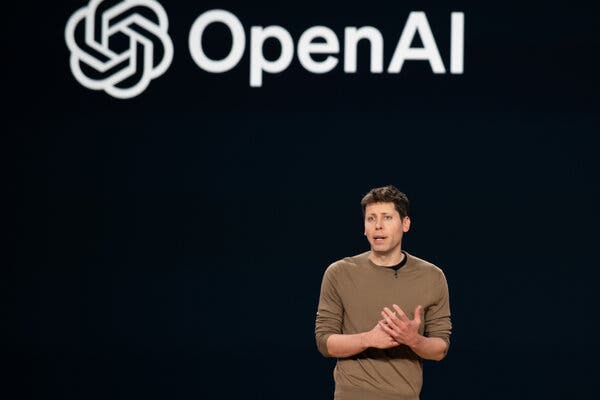
OpenAI CEO Sam Altman acknowledged in May that his expectations about AI eliminating entry-level white-collar jobs had been wrong so far. "I'm delighted to be wrong about this," he said. Amazon Amazon.com, Inc. founder Jeff Bezos went further at VivaTech in Paris in June, predicting AI would create a labor shortage rather than mass redundancy.economictimes
Marcy Klipfel, chief engagement officer at Businessolver, cautioned that pursuing layoffs to appease investors carries risks. "The backside of that is it erodes your culture and it erodes trust," she said.esgdive