Newsletter Subscribe
Enter your email address below and subscribe to our newsletter
[forminator_form id="25163"]

All voices matter
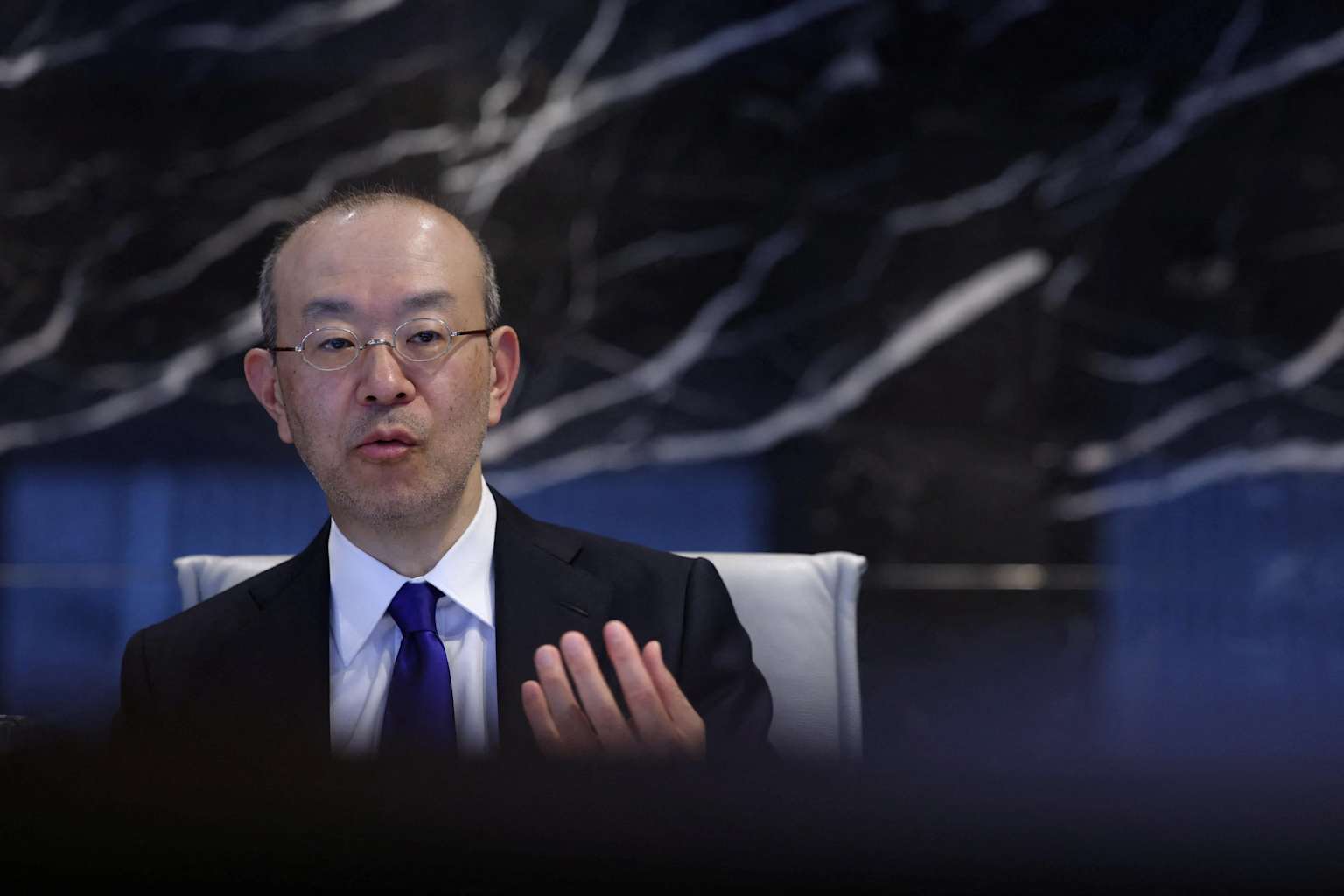
japantimescnbc+1straitstimesThe head of Mitsui O.S.K. Lines, one of the world's largest operators of supertankers, warned on Wednesday that commercial shipping disruptions through the Strait of Hormuz will persist well beyond the end of the year, as the latest round of U.S.-Iran military clashes rattles an already fragile energy corridor.
"Given the current situation, it's difficult to see operations resuming in any form by the end of the year," CEO Jotaro Tamura said in an interview reported by The Japan Times. "The situation continues to be well beyond the level of risk we can accept."japantimes
The warning follows a sharp escalation in hostilities over the past week. On August 31, the U.S. military struck Islamic Revolutionary Guard Corps targets inside Iran after attacks on American forces in the region, according to CNBC and U.S. Central Command. Iran retaliated with coordinated missile and drone strikes targeting U.S. bases in Bahrain, Jordan and Iraq, according to Al Jazeera.thehill+2
The exchange of fire has dimmed already faint prospects for a diplomatic resolution. Peace talks between Washington and Tehran remain at a standstill, with negotiators yet to restore normal traffic through the waterway, which typically carries about a fifth of the world's oil and natural gas supply.straitstimes
Mitsui O.S.K. had previously assumed a phased resumption of Hormuz transit from October, followed by a return to normal operations in January. That timeline now "appears likely to slip," Tamura told The Japan Times. Risk-averse Japanese shipowners pulled their tanker fleets from the Gulf after fighting broke out in late February, forcing Japanese refiners — which previously sourced more than 90 percent of their crude from the Middle East — to draw down strategic stockpiles and scramble for costlier alternatives from the United States and West Africa.japantimes
An estimated 6 to 8 million barrels of crude were still crossing the strait daily as of last week, according to oil traders' estimates cited by The Japan Times, though that figure preceded the latest strikes. Some vessels have been transiting with transponders switched off to avoid detection — a practice Tamura called unsustainable.japantimes
The ripple effects are spreading across Asia. Singapore's purchasing managers' index rose to 51.5 in August, marking 13 consecutive months of expansion driven by AI-related demand, but the supplier deliveries sub-index contracted for an eighth straight month, reflecting what the Singapore Institute of Purchasing and Materials Management called a crisis that continues to "severely cripple supplier delivery times and send input prices, particularly energy costs, soaring."straitstimes
UOB United Overseas Bank Limited economist Jester Koh noted that cargo shipments were likely rerouting around the Cape of Good Hope to avoid the strait, adding to lead times and costs. DBS senior economist Chua Han Teng said higher energy prices continued to weigh on energy-intensive manufacturers.straitstimes
For Mitsui O.S.K. to resume regular transits, Tamura said the company would need confidence that safe passage could be sustained across multiple voyages — not assessed on a vessel-by-vessel, day-by-day basis. The Strait of Hormuz has been effectively disrupted since early March, when U.S. and Israeli strikes on Iran triggered the blockade.csis+1
"Sailing with transponders turned off shouldn't become the norm," Tamura said, "because that would mean ships were operating on the assumption that an attack could occur."japantimes