Newsletter Subscribe
Enter your email address below and subscribe to our newsletter
[forminator_form id="25163"]

All voices matter
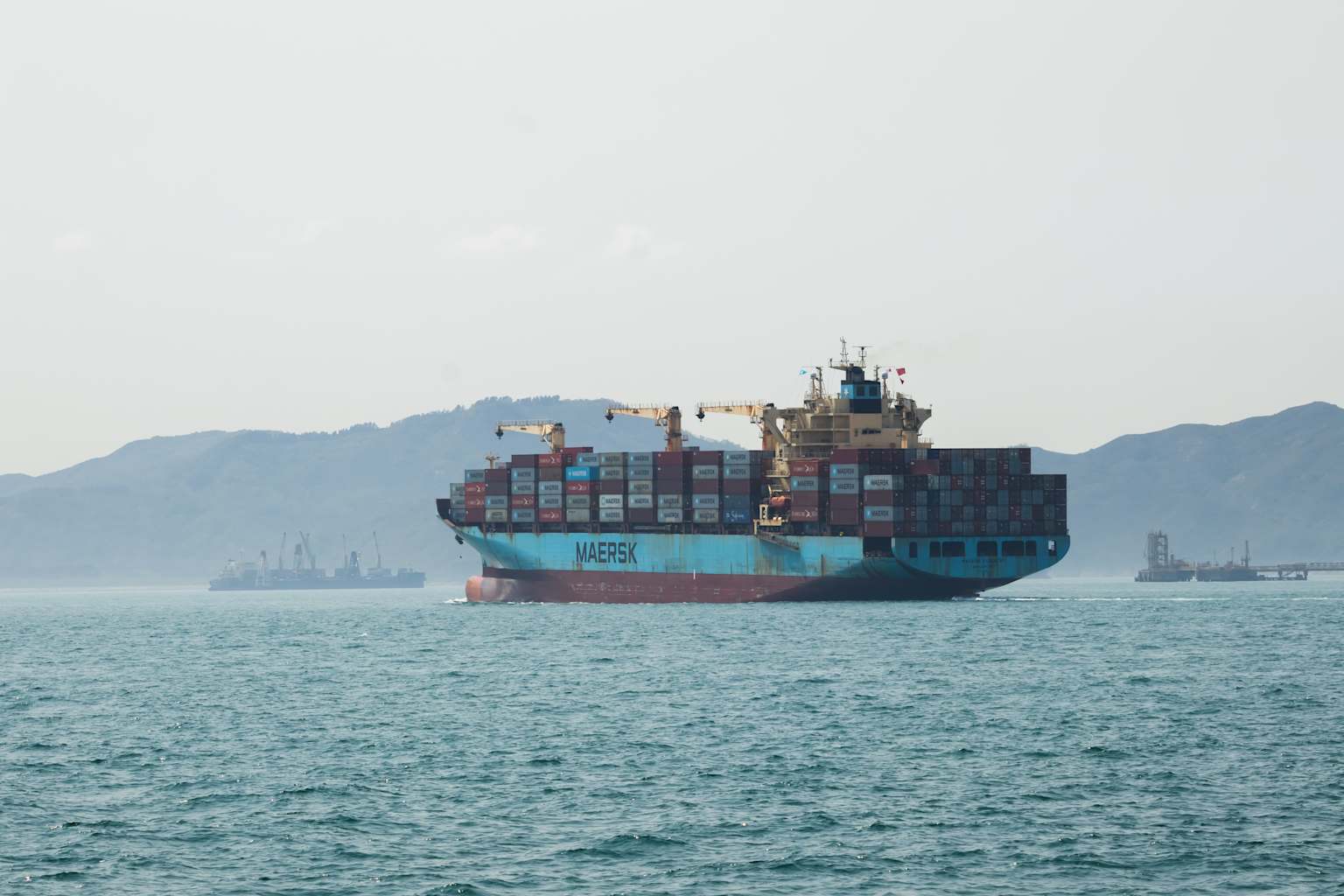
reuters+1wtvbam+1reutersMaersk A.P. Møller – Mærsk A/S on Thursday reported second-quarter earnings that far exceeded expectations and raised its full-year guidance for the second time in 2026, as port congestion, strong Chinese exports, and disruptions from the Middle East conflict combined to push freight rates sharply higher.
The Danish shipping giant posted EBITDA of $3.0 billion for the April-to-June period, well above the $2.12 billion median forecast in a company-provided poll of 11 analysts and up from $2.30 billion a year earlier. Net profit more than doubled to $1.3 billion from $614 million in the same quarter of 2025. Revenue rose 20% year-on-year to $15.8 billion, with the Ocean segment generating $10.5 billion on the back of a 22% increase in average freight rates and 4.1% volume growth.lloydslist+4
Shares surged more than 8% shortly after the opening bell in Copenhagen.cnbc
Maersk now expects underlying EBITDA of $10.5 billion to $12.5 billion for full-year 2026, up from a prior range of $8 billion to $10 billion. The underlying EBIT outlook was lifted to $4.5 billion to $6.5 billion, from a previous $2 billion to $4 billion. The company also revised its free cash flow expectation from at least negative $1.5 billion to a figure greater than zero, signaling a shift toward positive cash generation.ajot+2
The world's second-largest container shipper said it expects global container market growth of around 4% this year despite geopolitical turmoil, with Chinese exports the main engine of demand.wtvbam
CEO Vincent Clerc told Bloomberg that the bottlenecks—not the Middle East conflict itself—were the primary driver of elevated freight rates. Waiting times to berth have reached 12 days at the port of Shanghai, he said, as surging demand overwhelmed chronically underinvested landside infrastructure across Northern Europe, South America, West Africa, and China.bloomberg+1
Middle East disruption from the U.S.-Iran war in the Strait of Hormuz and Houthi attacks in the Red Sea pushed Ocean division operating costs up 19%, with average bunker prices rising 44% year-on-year, though Maersk said it offset the impact through fuel efficiency measures and passing costs to customers.ajot+1
Maersk is currently routing about a third of its normal traffic through the Suez Canal or Red Sea, covering four of 13 services. Clerc said conditions for a full return in 2026 were in place but that the company was moving gradually to avoid chaos at already-congested terminals.ajot
"This strength may extend into the third quarter of 2026, as exports from China show no signs of abating. However, the unresolved conflict in the Middle East continues to warrant caution," the company said.wtvbam