Newsletter Subscribe
Enter your email address below and subscribe to our newsletter
[forminator_form id="25163"]

All voices matter
press.jal+1cnbc+1journee-mondialeThe global aviation industry is buckling under the weight of surging jet fuel costs, with carriers from Tokyo to Fort Worth reporting sharply weaker earnings even as passenger demand holds and revenues climb to record levels. The crisis, rooted in the conflict in Iran and the effective closure of the Strait of Hormuz, has forced airlines worldwide to slash schedules, cut capacity, and warn investors of further pain ahead.
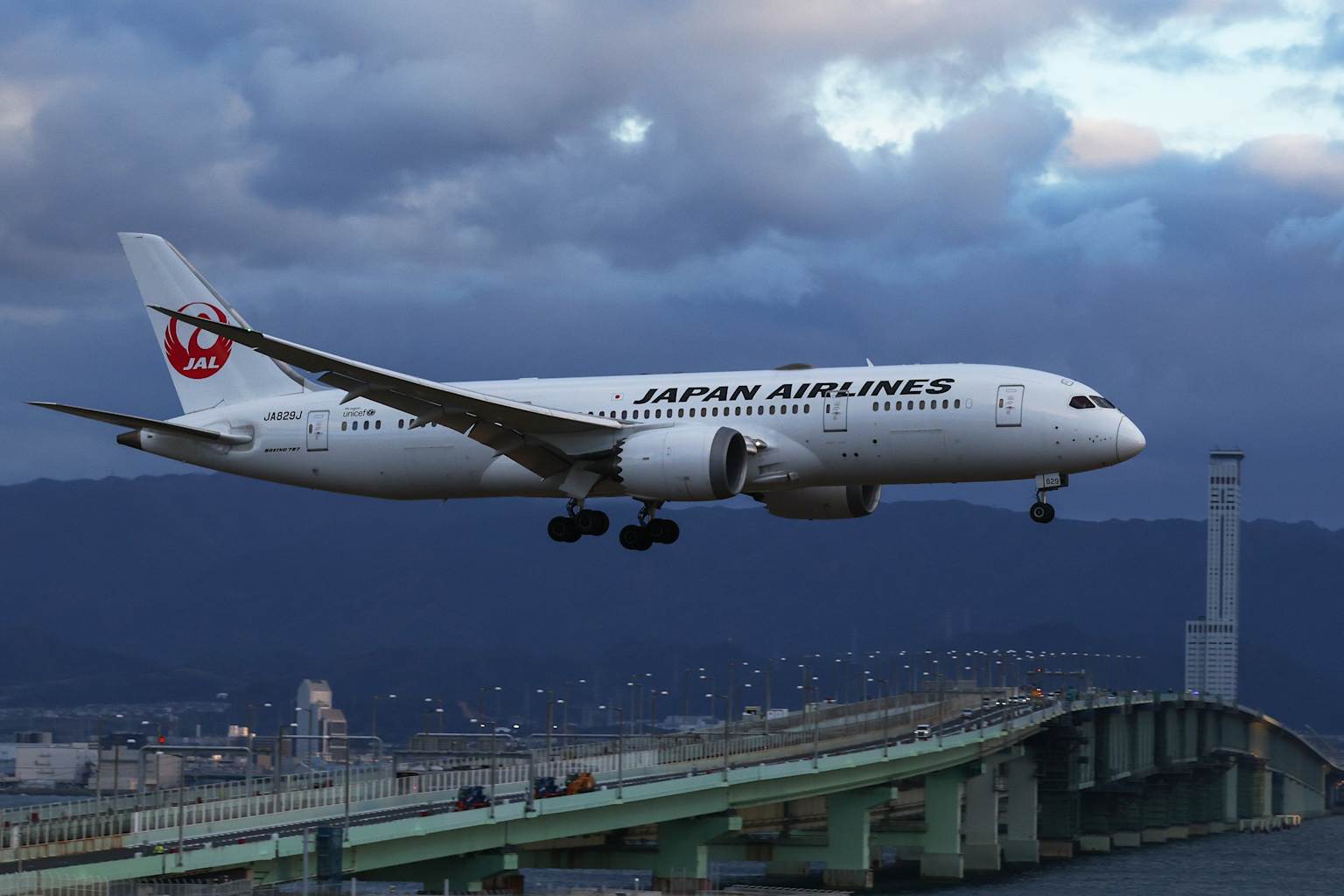
Japan Airlines on Monday reported that net profit for its fiscal first quarter fell 80% year-on-year to ¥5.35 billion, as fuel expenses surged 18.7% due to soaring jet fuel prices and the persistent depreciation of the yen. JAL is the latest Asia-Pacific carrier to disclose the damage; ANA Holdings reported a 15% drop in first-quarter net profit days earlier amid a 78% jump in airline fuel costs.press.jal+2
American Airlines told investors in late July that fuel expense increased by more than $2.2 billion, or 83%, year-over-year in the second quarter, even as the carrier posted record quarterly revenue of $16.7 billion. Operating income fell 61% to $446 million, leaving American with an adjusted operating margin of just 2.7% — less than a third of Delta Air Lines' 8.8%. American further cut its full-year 2026 earnings outlook, projecting a range between a loss of 65 cents per share and earnings of 65 cents per share.ts2+2
The fuel spike traces to the closure of the Strait of Hormuz, which carried an estimated 40% of Europe's jet fuel imports before the conflict in Iran disrupted the route. Reuters reported in May that the disruption has redirected global jet fuel trade flows, with consultancy Wood Mackenzie warning that prices in major hubs could approach $300 per barrel if the situation persists into late 2026. The International Air Transport Association's Jet Fuel Monitor showed the global average jet fuel price at $158.77 per barrel for the week ending July 31, up 76.4% from a year earlier.journee-mondiale+3
IATA, representing more than 370 airlines, nearly halved its 2026 industry profit forecast in June to $23 billion, saying airlines globally are absorbing a $100 billion increase in fuel costs this year. According to Cirium, roughly 13,000 flights and two million seats were cut from May 2026 schedules alone, with Istanbul and Munich airports seeing the largest reductions. About 9.3 million seats were removed across the June-to-September window.reuters+4
IATA now forecasts global passenger traffic growth of just 2.1% in 2026, a material slowdown from prior years. The fare pressure is already visible on the ground: UAE-India economy fares have surged to as much as Dh3,705 one-way for late August, with travel agents reporting that leisure bookings have all but vanished.emmepress+1
American Airlines shares rose sharply on Monday after Washington canceled a scheduled strike on Iran, sending crude oil prices lower and offering a brief reprieve for a sector where, as CFO Devon May acknowledged, "the current fuel curve has dampened our near-term expectations".ts2