


Newsletter Subscribe
Enter your email address below and subscribe to our newsletter
[forminator_form id="25163"]

All voices matter
oilpriceoilprice+1abcnewsSix months after the United States and Israel launched strikes on Iran on February 28, the conflict has added an estimated $330 billion to the world's fossil fuel import bill — yet the global economy has avoided the catastrophic collapse many feared, instead splitting into a tale of two economies: one where investors thrive and another where consumers, particularly the world's poorest, bear the cost.
The $330 billion figure, released this week by the Finland-based Centre for Research on Energy and Clean Air, captures the gap between what nations actually paid for oil, fuels, and liquefied natural gas from March through August and what analysts had forecast before the war. Crude oil accounted for $164.1 billion of that total, followed by diesel and gasoil at $73.8 billion, and LNG at $38 billion. The European Union absorbed the largest share of the pain, with an $78 billion surge in energy import costs, followed by China at $35 billion and India at $22 billion.finance.yahoo+1
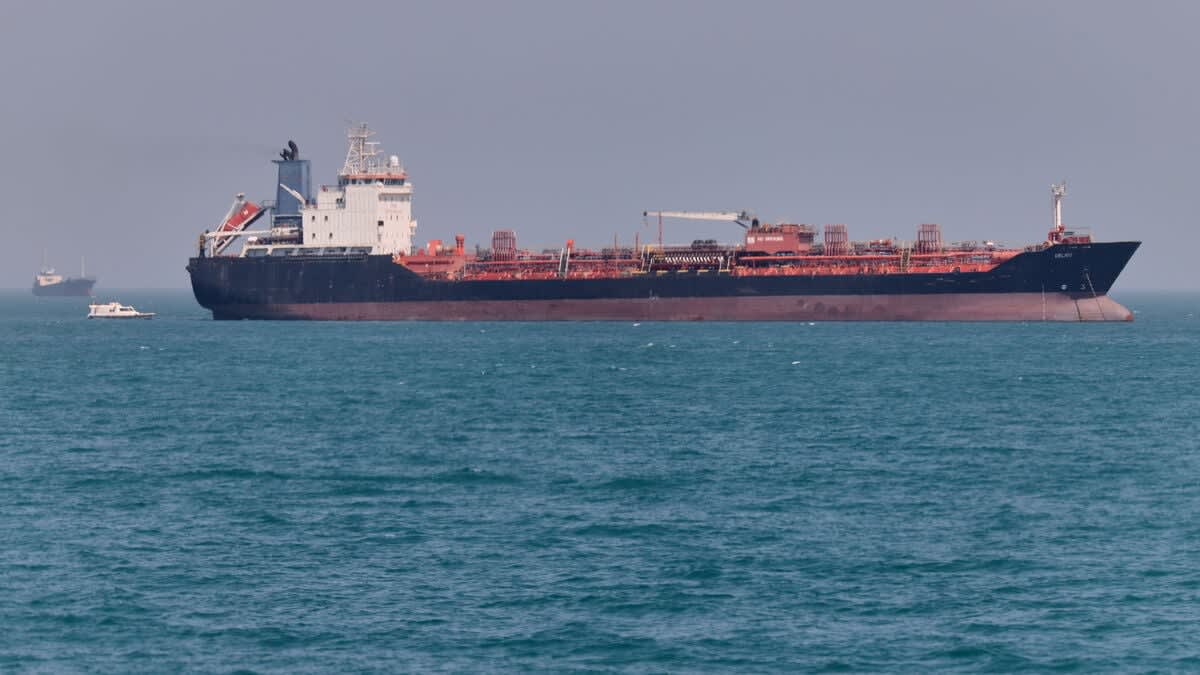
Brent crude rose roughly 22 percent from a prewar close of about $72 a barrel to around $88, after peaking near $120 earlier in the conflict, as tanker movement through the Strait of Hormuz — once the conduit for a fifth of the world's oil and gas — slowed to a crawl. ExxonMobil Exxon Mobil Corporation and Chevron posted combined second-quarter earnings exceeding $26.6 billion, buoyed by higher commodity prices. On Wall Street, the S&P 500 has climbed nearly 22 percent and the Nasdaq Composite has surged 27 percent since markets bottomed in late March.abcnews+2
"So far, the global economy has pulled off the financial equivalent of a 'Mission Impossible' scene," said Michael Ashley Schulman, an investment strategist with Cerity Partners.abcnews
The war's costs have fallen hardest on ordinary consumers and developing nations. Jet fuel is expected to cost 70 percent more on average than in 2025, according to the International Air Transport Association, prompting airlines to slash routes and raise fares. Fertilizer prices, driven by disrupted Gulf exports, peaked in April at 44 percent above prewar levels, according to the World Bank's price index. The UN World Food Programme has warned that tens of millions could be pushed into hunger. "An oil tanker anchored in the Strait of Hormuz can mean one less meal a day for a child in Sudan," the WFP's acting executive director, Carl Skau, said in testimony this week.seattletimes+1
The International Energy Agency estimated that as much as a fifth of Middle Eastern refining capacity has been knocked out by hostilities, a constraint likely to outlast the war itself.oilprice
One unintended consequence has been an acceleration of the clean energy transition. Electric vehicle sales hit records in parts of the world, with year-over-year growth of 300 percent in Colombia and 180 percent in New Zealand. Some 26 countries have announced new clean energy measures in response to the crisis. "The crisis is forcing investment faster than any policy framework would have," said Scott Lehmann, a supply chain expert at Sphera. Wind and solar saved importers a combined $36 billion over the six-month period, according to CREA. Still, with the Strait of Hormuz's long-term status unresolved and winter stockpiling season approaching, analysts warn the global energy bill could climb further.seattletimes+3


