Newsletter Subscribe
Enter your email address below and subscribe to our newsletter
[forminator_form id="25163"]

All voices matter
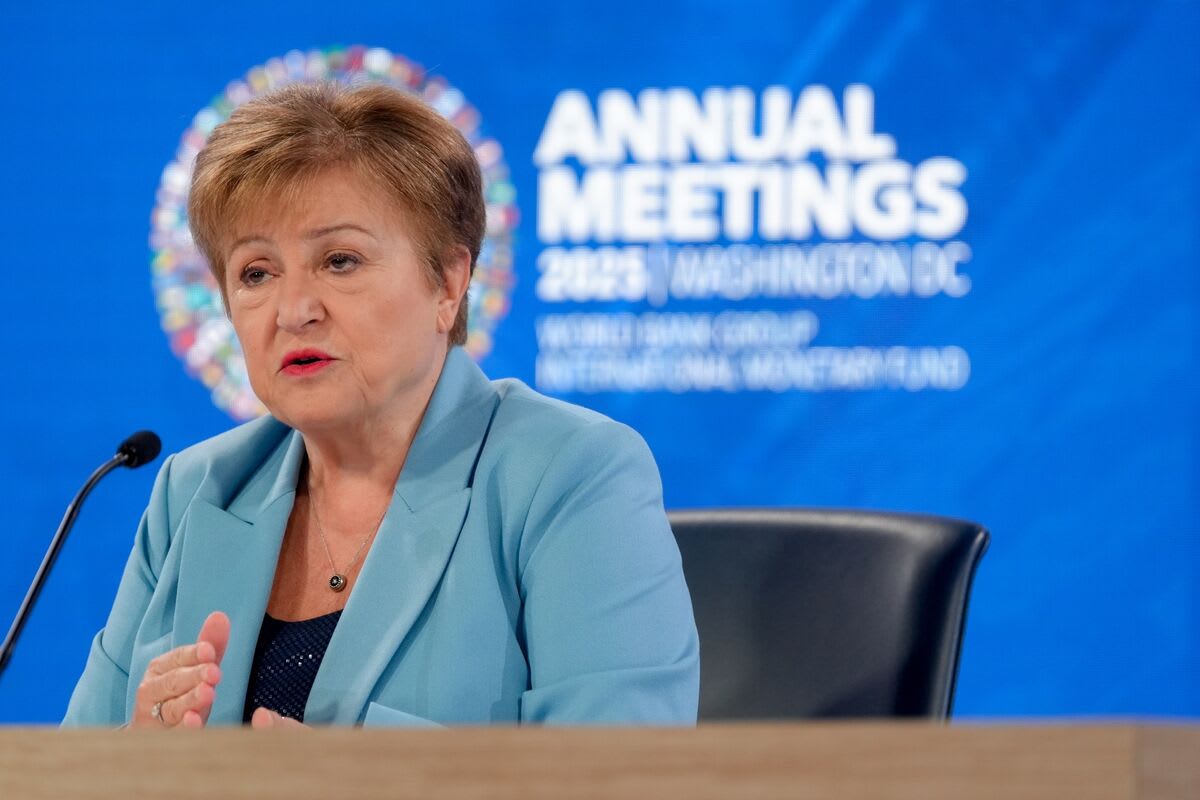
reuters+1reuters+1bloomberg+1International Monetary Fund Managing Director Kristalina Georgieva warned on Tuesday that ballooning debt and rising bond yields in advanced economies are threatening to undo developing and low-income countries' progress in reining in their own debts, as a global bond market rout pushed borrowing costs to multi-decade highs.reuters
Georgieva's warning, delivered to Reuters on the sidelines of the G20 finance ministers meeting in Asheville, North Carolina, came as government borrowing costs surged across the world's largest economies. The 10-year U.S. Treasury yield approached 4.8%, its highest since January 2025, while Japan's 10-year bond yield climbed above 3% for the first time since 1996. Yields in the United Kingdom reached their highest since mid-2007, and German bond yields hit levels last seen in 2011.imf+3
The selloff has been driven by a combination of persistent inflation fears, expanding budget deficits and a renewed spike in oil prices tied to U.S.-Iran military clashes over control of the Strait of Hormuz. Oil prices surged to five-week highs after a new round of U.S. strikes against Iran refocused attention on the conflict.imfconnect+1
"High refinancing needs and rising debt-service costs are constraining many developing economies, in particular low-income countries, limiting their capacity to finance critical spending on infrastructure, health, and education," Georgieva said in a statement following the G20 meeting.imf
The strain on developing nations was laid bare on Tuesday as Senegal's euro-denominated 2028 bond plunged more than 8 cents at one point after the government announced it would pursue a "debt treatment" under an enhanced version of the G20's Common Framework as part of a new $2.2 billion IMF program. The selloff reflected investors abandoning hopes that Senegal could avoid a default, according to Bloomberg.bloomberg+1
Senegal plans to shield its CFA franc-denominated debt from the restructuring to protect West African banks with heavy exposure to its government securities, Finance Minister Cheikh Diba said, while debt owed to multilateral institutions like the IMF and World Bank will also be excluded.ecofinagency
The bond market turmoil adds to what Georgieva had earlier described as a "tug of war" between the negative effects of the Gulf energy supply shock and the resilience of the broader global economy. The Wall Street Journal News Corp reported that the surge in interest rates places added strain on homebuyers, credit-card users and governments that have borrowed extensively in recent years.wsj+1
With few signs that major economies are willing to take steps to address their deteriorating fiscal conditions, the pressure on developing nations that must compete for capital in global markets is unlikely to ease soon.nytimes