Newsletter Subscribe
Enter your email address below and subscribe to our newsletter
[forminator_form id="25163"]

All voices matter
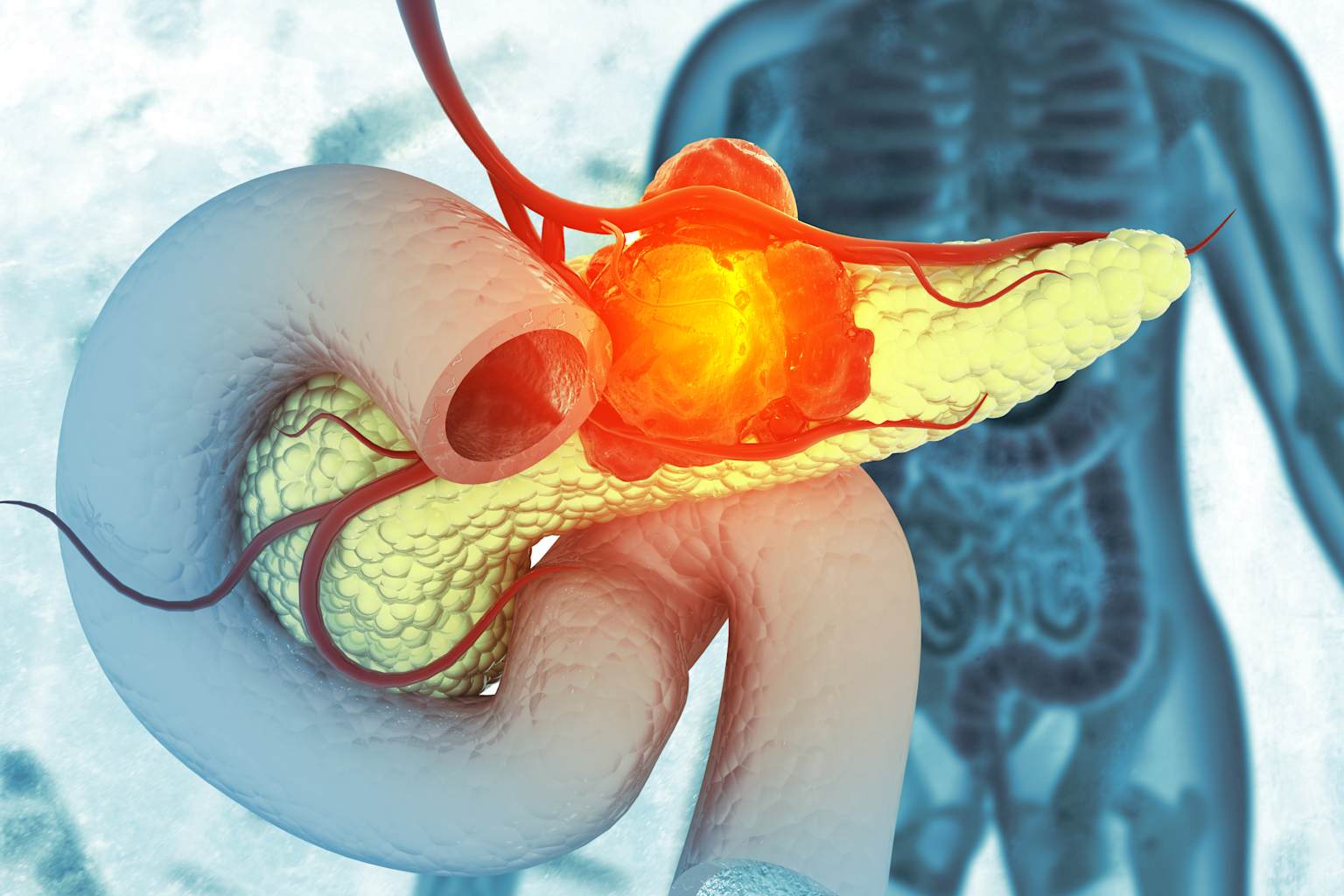
bioworld+1cellhms.harvardResearchers at Harvard Medical School have identified a way to transform the short-lived benefits of KRAS inhibitors in pancreatic cancer into lasting remissions by enlisting CD4 T-cell immunity through an IL-21 mimetic strategy. The findings, published Wednesday in Cell, address one of the central challenges in treating pancreatic ductal adenocarcinoma: patients who initially respond to KRAS-targeted drugs almost invariably relapse.bioworld+1
PDAC has long defied immunotherapy, and while the recent wave of KRAS inhibitors has delivered dramatic tumor regressions, resistance remains the rule. The FDA approved Revolution Medicines' daraxonrasib last month after a phase 3 trial showed it doubled median survival to 13.2 months compared to 6.7 months with chemotherapy. But even with such gains, most patients eventually progress.hms.harvard
The Harvard-led team set out to lock in those initial responses. Their study, published in Cell, demonstrates that an IL-21 mimetic — a molecule that mimics the immune-signaling protein interleukin-21 — can activate CD4 T cells to sustain antitumor immunity after KRAS inhibition remodels the tumor microenvironment. Pancreatic cancer cells themselves do not express the IL-21 receptor, meaning the mimetic works by bolstering immune cells rather than directly targeting the tumor.cell+1
The results arrive at a moment of growing optimism around KRAS-driven pancreatic cancer. Earlier this year, the FDA granted breakthrough therapy designation to Eli Lilly's olomorasib for previously treated KRAS G12C-mutant advanced pancreatic cancer. A mutant KRAS vaccine combined with dual checkpoint blockade also showed it could induce tumor-specific immunity in 83% of resected PDAC patients in a separate study.nature+1
Preclinical work from MD Anderson Cancer Center had previously shown that combining KRAS inhibitors with immune checkpoint inhibitors could eliminate advanced KRAS-mutant pancreatic tumors in animal models, leading to a phase 1 clinical trial. The new Cell paper adds a distinct mechanism — CD4 T-cell activation via IL-21 signaling — to the growing toolkit of combination strategies.mdanderson
Brian Wolpin, who led the daraxonrasib trial at Dana-Farber Cancer Institute, said last week that KRAS-targeted therapy has the potential to "transform pancreatic cancer care within a decade". The IL-21 mimetic approach could accelerate that timeline if it translates from preclinical models to patients, offering a path to durable responses rather than temporary reprieves for a disease that kills nearly 57,000 Americans each year.hms.harvard