


Newsletter Subscribe
Enter your email address below and subscribe to our newsletter
[forminator_form id="25163"]

All voices matter
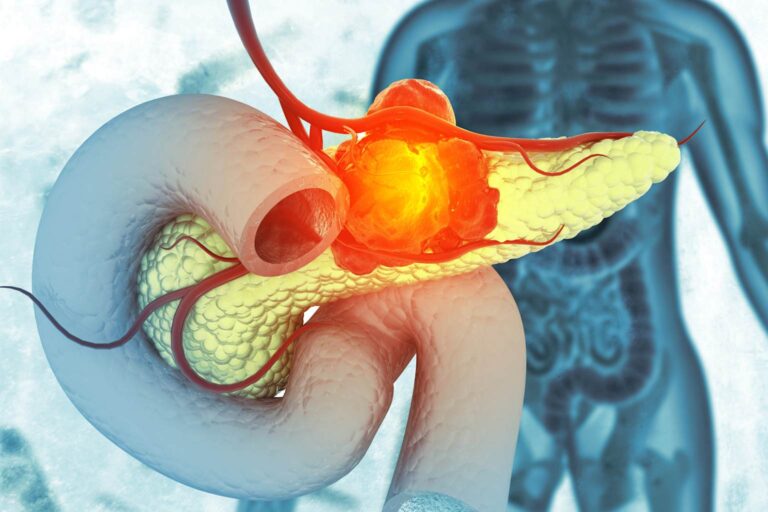
Researchers at Harvard Medical School have identified a way to transform the short-lived benefits of KRAS inhibitors in pancreatic cancer into lasting remissions by enlisting CD4 T-cell immunity through an IL-21 mimetic strategy. The findings, published Wednesday in Cell, address…

Moderna announced on Monday that late-breaking Phase 3 data for its personalized mRNA cancer therapy, intismeran autogene, will be presented at a Presidential Symposium during the European Society for Medical Oncology Congress 2026 in Madrid. The presentation is scheduled for…

Cancers carrying mutations in the p53 tumor-suppressor protein — found in roughly half of all human malignancies — can effectively conceal those mutations from the immune cells meant to destroy them, according to new research from Dana-Farber Cancer Institute published…
GSK presented data on Monday at the 2026 World Conference on Lung Cancer in Seoul showing that its ROS1 inhibitor Jideytro, known generically as zidesamtinib, produced a 94% objective response rate in patients with advanced ROS1-positive non-small cell lung cancer…

GSK reported on Sunday that its cancer drug risvutatug rezetecan, known as Ris-Rez, reduced the risk of death by 54% compared with standard treatment in patients with relapsed small cell lung cancer, results that sent the company's shares higher at…

BioNTech and its partner OncoC4 on Monday presented updated data showing that their experimental drug gotistobart nearly doubled median overall survival in patients with pretreated squamous non-small cell lung cancer, a disease with few effective treatment options after initial therapy…
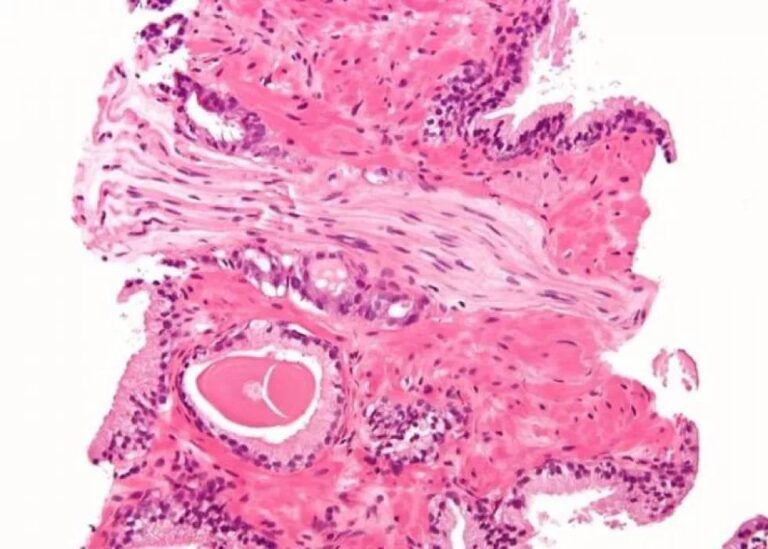
An international team of researchers has identified eight distinct genetic "footprints" that account for roughly 85 percent of all prostate cancer cases, offering a new way to distinguish between harmless tumors and those likely to become life-threatening. The study, published…

AstraZeneca and Amgen on Tuesday announced that a combination of Imfinzi (durvalumab) and Imdelltra (tarlatamab) delivered a statistically significant improvement in overall survival compared to Imfinzi alone as first-line maintenance therapy for extensive-stage small cell lung cancer, a disease in…
Tumors have a new trick up their sleeve — and it involves turning the body's own antioxidant defenses against the immune system. A study published Thursday in the journal Science reveals that cancer cells release an antioxidant protein called peroxiredoxin-1,…
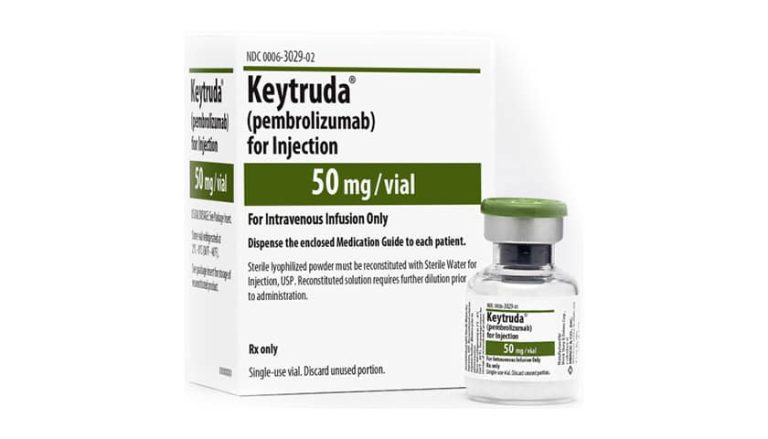
Akeso and Summit Therapeutics announced on September 2 that their bispecific antibody ivonescimab achieved a statistically significant overall survival improvement over Merck's blockbuster Keytruda in a Phase 3 trial treating PD-L1-positive non-small cell lung cancer, marking the first time a…
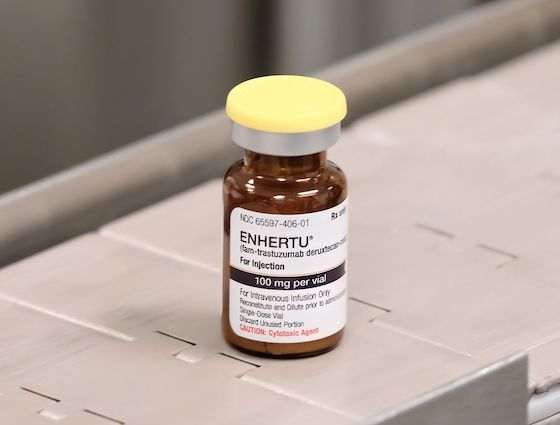
AstraZeneca and Daiichi Sankyo announced on Monday that their antibody drug conjugate Enhertu demonstrated a statistically significant improvement in progression-free survival over the current global standard of care as a first-line treatment for patients with HER2-mutant advanced lung cancer, marking…

An international team of scientists has unveiled one of the most extensive collections of patient-derived cancer models to date, offering researchers new tools to study tumor biology and accelerate the development of personalized treatments. The compendium, published Wednesday in Nature,…
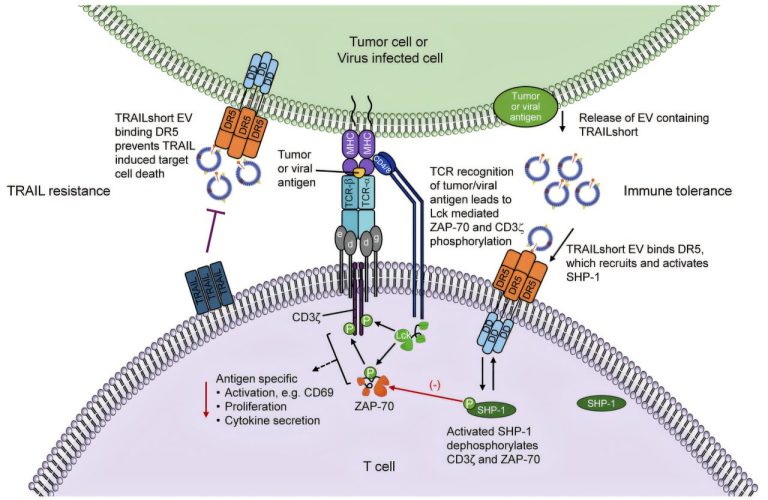
Mayo Clinic researchers have discovered how cancer cells exploit a protein variant called TRAILshort to shut down the body's immune defenses, a finding that could reshape approaches to immunotherapy across a range of cancers and chronic infections.

A sweeping international study published in Nature on July 22 has provided the first direct evidence that a person's inherited genetic makeup can determine how DNA damage from environmental exposures leads to cancer — and how that cancer evolves over…

The World Health Organization published the first-ever global breast cancer survival estimates on July 8, showing that a woman's chance of surviving the disease depends heavily on where she lives and how much her country earns. The data, released alongside…
A team of scientists at Sinai Health in Toronto has uncovered 81 previously unknown genes involved in basal-like triple-negative breast cancer, solving a long-standing mystery of how chromosomal chaos fuels one of the disease's deadliest forms. The findings, published in…

Jiahui International Cancer Center in Shanghai announced on July 6 that it has begun treating the world's first international patient with Satri-cel, the recently approved CAR-T cell therapy for solid tumors. The milestone comes just two weeks after China's National…

Novartis announced on Monday it has agreed to acquire UK-based biotechnology firm Myricx Bio for up to $1.5 billion, adding a novel cancer drug platform to its oncology pipeline as competition intensifies in the antibody-drug conjugate space.

Researchers at Harvard Medical School have developed an artificial intelligence model called COMPASS that can predict which cancer patients will respond to immune checkpoint inhibitors, a class of drugs that works in only a fraction of those who receive them.…

Researchers at the University of Calgary's Charbonneau Cancer Institute and McMaster University have developed GCAR1, a first-in-class chimeric antigen receptor T-cell therapy designed to attack solid tumors — a category of cancer that has largely resisted the immunotherapy approach until…

The U.S. Food and Drug Administration on Wednesday approved Gilead Sciences' Trodelvy (sacituzumab govitecan-hziy) for the first-line treatment of metastatic triple-negative breast cancer, a decision that establishes the antibody-drug conjugate as a new standard of care for one of the…

China's National Medical Products Administration on Monday approved CARsgen Therapeutics' satricabtagene autoleucel, marking the first regulatory approval anywhere in the world for a CAR-T cell therapy targeting solid tumors. The treatment, also known as satri-cel, is indicated for patients with…