Newsletter Subscribe
Enter your email address below and subscribe to our newsletter
[forminator_form id="25163"]

All voices matter
reuterslazardassetmanagement+1benzinga+1The Japanese yen is trading near 40-year lows against the U.S. dollar, hovering around 162 per dollar as of this week, after breaching that level on June 30 for the first time since December 1986. The decline has been driven by a widening gulf between the Federal Reserve's hawkish posture and skepticism over the Bank of Japan's ability to tighten fast enough, reigniting fears of a disruptive carry trade unwind that could ripple through global markets.tokyoweekender+1
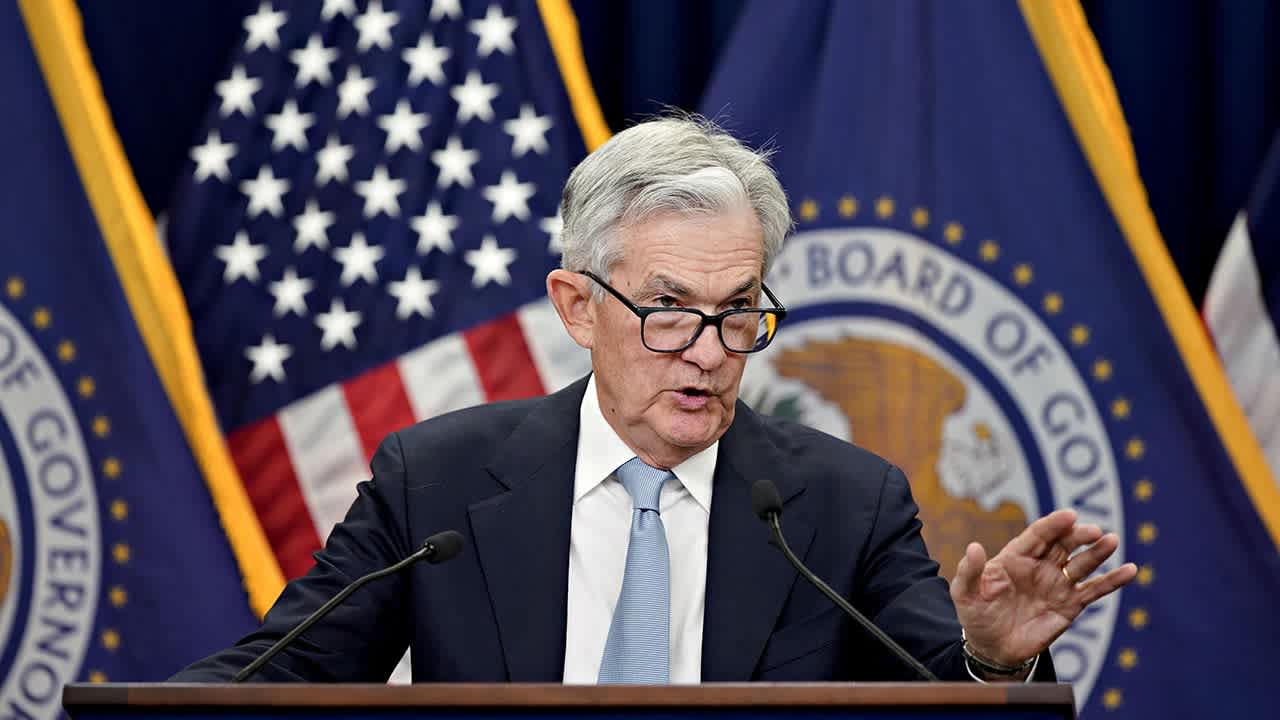
Minutes from the Federal Reserve's June 16-17 meeting, released Wednesday, revealed a committee sharply divided over the path of inflation and interest rates. The Fed held its benchmark rate steady at 3.5% to 3.75%, but nine of 18 officials projected at least one rate hike before year-end, with six forecasting two quarter-point increases. Markets responded by pushing the probability of a September rate hike to nearly 69%, according to CME Group's FedWatch tool. The prospect of higher U.S. rates has reinforced the dollar's yield advantage, keeping pressure on the yen and other lower-yielding currencies. USD/JPY touched as high as 162.70 on Tuesday before pulling back modestly.forbes+4
The yen's persistent weakness has swelled the global carry trade — a strategy in which investors borrow cheaply in yen to fund higher-yielding positions elsewhere. Analysts warn that a sudden reversal could force rapid unwinding of these leveraged bets, with cascading effects on equities, bonds, and crypto markets. Japan's Finance Minister Satsuki Katayama warned on July 3 that Tokyo "stands ready to respond at any time" and remains in close contact with U.S. authorities on currency matters. Japan deployed a record ¥11.73 trillion (roughly $73 billion) in interventions during April and May, but the yen returned above intervention levels within six weeks, underscoring the limits of such action against fundamental forces, according to analysis from Lazard Asset Management.benzinga+3
Japanese government bond yields have climbed to multi-decade highs alongside the yen's slide. The 10-year JGB yield rose to 2.88% on Wednesday, its highest since September 1996, while 30-year yields have pushed above 4%. The selloff accelerated after the government's draft economic blueprint, released in late June, raised concerns about fiscal discipline and perceived pressure on the BOJ to keep rates low. Pacific Investment Management Co. has taken bullish positions on Japan's 30-year bonds, with Chief Investment Officer Marc Seidner saying the yield curve has become "too steep" relative to other developed markets, creating value in longer-dated debt. The BOJ, which raised its policy rate to 1.0% in June — the highest since 1995 — may need to accelerate tightening, with a former central bank official telling Bloomberg on Wednesday that the terminal rate could reach "around 2%, or perhaps a little above".tradingeconomics+5