Newsletter Subscribe
Enter your email address below and subscribe to our newsletter
[forminator_form id="25163"]

All voices matter
thehackernews+1imperva+1thehackernews+1A critical remote code execution vulnerability in Alibaba's Fastjson library is under active exploitation, with no fix available for the affected 1.x branch and attackers already hitting production systems across the United States.
Tracked as CVE-2026-16723 and carrying a CVSS score of 9.0, the flaw affects Fastjson versions 1.2.68 through 1.2.83 — the entire final stretch of the now-archived 1.x release line. Alibaba published its advisory on July 21, 2026, following responsible disclosure by Kirill Firsov of FearsOff Cybersecurity.imperva+1
What makes the vulnerability especially dangerous is its low barrier to exploitation. It requires no authentication, no user interaction, no AutoType enablement, and no third-party gadget class on the classpath. An attacker sends crafted JSON containing a malicious `@type` value to any network-reachable endpoint that passes input to common parsing methods such as `JSON.parse` or `JSON.parseObject`. In Spring Boot fat-JAR deployments, the type-resolution logic can be abused through nested JAR URLs to load attacker-controlled bytecode.thehackernews+3
Alibaba has verified the exploit chain on Spring Boot 2.x, 3.x, and 4.x running JDK 8, 11, 17, and 21.imperva+1
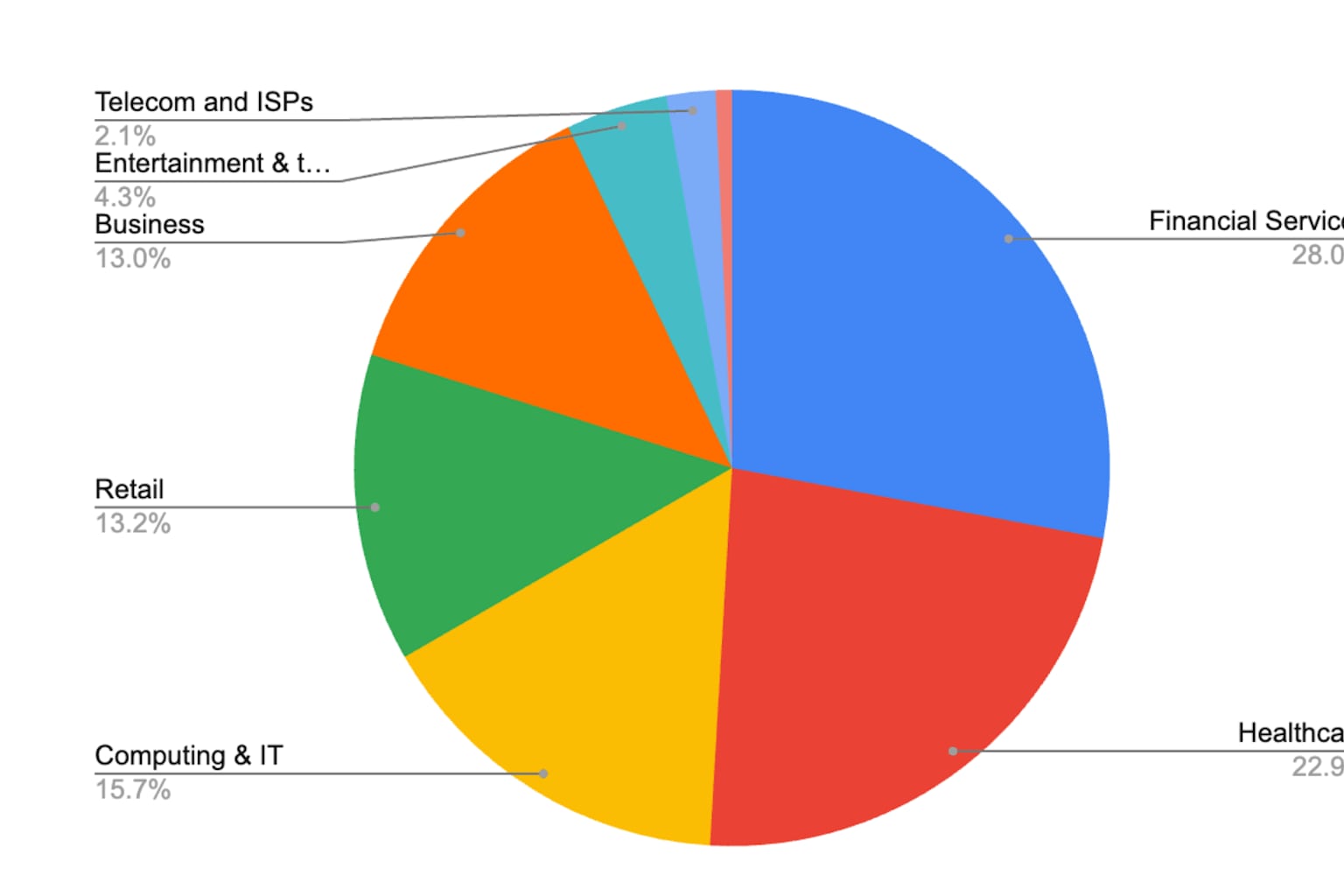
By July 25, both ThreatBook and Imperva had confirmed in-the-wild exploitation. Imperva reported attacks spanning financial services, healthcare, computing, and retail, with activity "almost entirely targeting US-based organizations" along with a smaller number of cases in Singapore and Canada. Most attacks originated from browser-impersonating user agents, though tools written in Ruby and Go accounted for roughly 30 percent of observed traffic.securityonline+1
A working proof-of-concept exploit is now publicly available, according to SecurityOnline.securityonline
Because Fastjson 1.x is no longer maintained, Alibaba has not shipped a patched release and is unlikely to do so. Organizations are advised to enable SafeMode immediately using the JVM flag `-Dfastjson.parser.safeMode=true`, adopt the restricted `1.2.83_noneautotype` build, or migrate to Fastjson 2.x, which does not employ the vulnerable resource-probing mechanism.threatbook+2
As The Hacker News noted, Fastjson 1.2.83 was itself the recommended upgrade for a separate AutoType bypass disclosed in 2022 — meaning organizations that followed prior guidance now find themselves inside the affected range with no safe 1.x version to move to.thehackernews