Newsletter Subscribe
Enter your email address below and subscribe to our newsletter
[forminator_form id="25163"]

All voices matter
pharmaphorum+1pharmaphorum+1newscientist+1A 65-year-old kidney transplant patient suffering from a multidrug-resistant E. coli infection that had defied every available antibiotic has recovered after receiving an experimental bacteriophage therapy armed with CRISPR gene-editing technology — the first time such a treatment has been used successfully in a human patient.
The case, published on August 11 in the journal Clinical Infectious Diseases, was led by Saima Aslam, a professor of medicine at the University of California, San Diego. The patient had received a kidney transplant in 2023 but subsequently developed recurrent E. coli infections, complicated by immunosuppressive drugs needed to prevent organ rejection. The bacteria eventually became resistant to even last-line carbapenem antibiotics, and the patient developed malakoplakia — a rare inflammatory condition — along with a large mass originating from the bladder wall and open abdominal wounds.biz.chosun+2
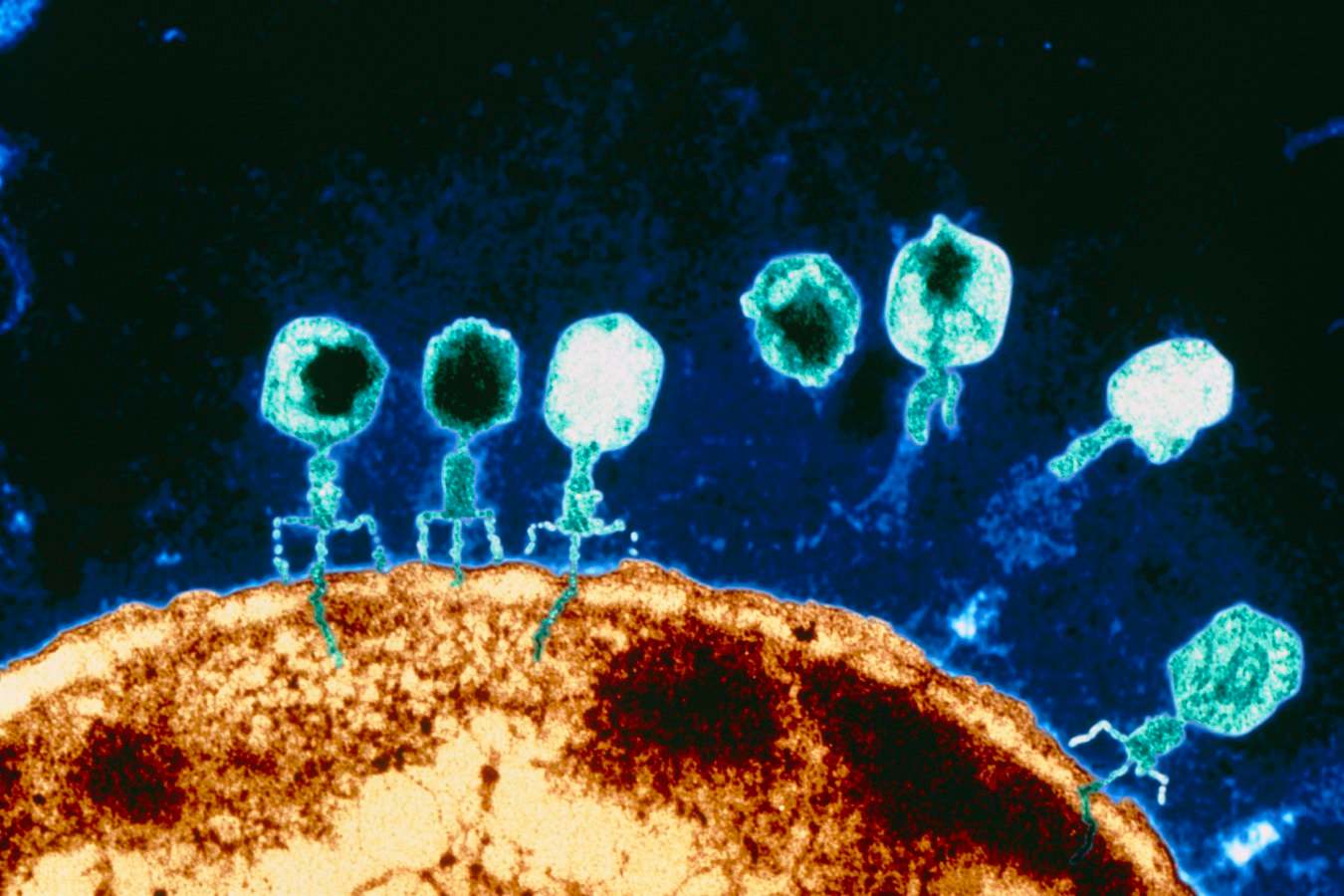
With no conventional options remaining, the clinical team secured compassionate-use approval for SNIPR001, a therapy developed by Danish biotech company SNIPR Biome. The treatment consists of engineered bacteriophages — viruses that exclusively infect bacteria — loaded with a CRISPR-Cas3 system designed to seek out and degrade E. coli DNA.newscientist+1
Within one week of starting the phage therapy, administered intravenously, topically, and directly into the lesion alongside antibiotics, the patient's open wounds began healing and the bladder mass shrank from 0.74 liters to 0.37 liters. After a year of treatment, the mass had shrunk by nearly 90 percent, from 745 cubic centimeters to 82 cubic centimeters, with no detectable infection remaining.pharmaphorum+2
However, researchers noted the patient also received a new antibiotic cocktail 11 days before starting phage therapy. "It could be that the phages together with the antibiotics had this synergistic effect," said Eric van der Helm, a co-author from SNIPR Biome.newscientist
SNIPR Biome said it has received 12 additional requests for compassionate use and is conducting a Phase 2 clinical trial of SNIPR001 in cancer patients at risk of E. coli bloodstream infections. "This case report marks an important clinical milestone for SNIPR001 and highlights the potential of our engineered CRISPR medicine platform to address difficult-to-treat, drug-resistant E. coli infections," said CEO Christian Grøndahl.pharmaphorum+1