Newsletter Subscribe
Enter your email address below and subscribe to our newsletter
[forminator_form id="25163"]

All voices matter
finance.biggocnbc+2finance.biggo+1In the span of ten days, the world's most influential central banks moved in close succession to raise interest rates, marking the clearest synchronized tightening effort since the post-pandemic inflation fight and underscoring the economic toll of the Iran war that began in February.
The European Central Bank fired first on September 10, lifting its deposit rate by 25 basis points to 2.5%, its second increase this year. Reuters Thomson Reuters Corporation reported the move was driven by energy costs stemming from the Iran conflict, with euro zone government bond yields hitting fresh multi-year highs. Six days later, the Federal Reserve raised its benchmark rate by a quarter point to a range of 3.75% to 4%, its first hike since July 2023. The vote was unanimous, and updated projections pointed to at least one more increase before year-end. The Bank of Japan followed on September 18, voting 7-2 to raise its policy rate to 1.25%, the highest level in 31 years.cnbc+8
The Bank of Korea had already set the stage with back-to-back hikes, raising its base rate to 3% on August 27 after core inflation climbed to its highest since late 2023.cnbc+1
The New York Times traced the interest rate surge directly to the war's outbreak on February 28, noting that bond traders began pushing longer-term rates higher the moment markets reopened. The 10-year U.S. Treasury yield has since climbed near 5%, while the 30-year yield approached 5.3%. The Iran conflict, which the International Energy Agency has called the largest supply disruption in the history of the global oil market, reignited inflation pressures that had been fading across developed economies.nytimes+1
The ECB raised its 2027 inflation forecast to 2.5% from 2.3%, while the Fed's new projections show the policy rate reaching the 4% to 4.25% range by year-end and holding there through 2027.morningstar+1
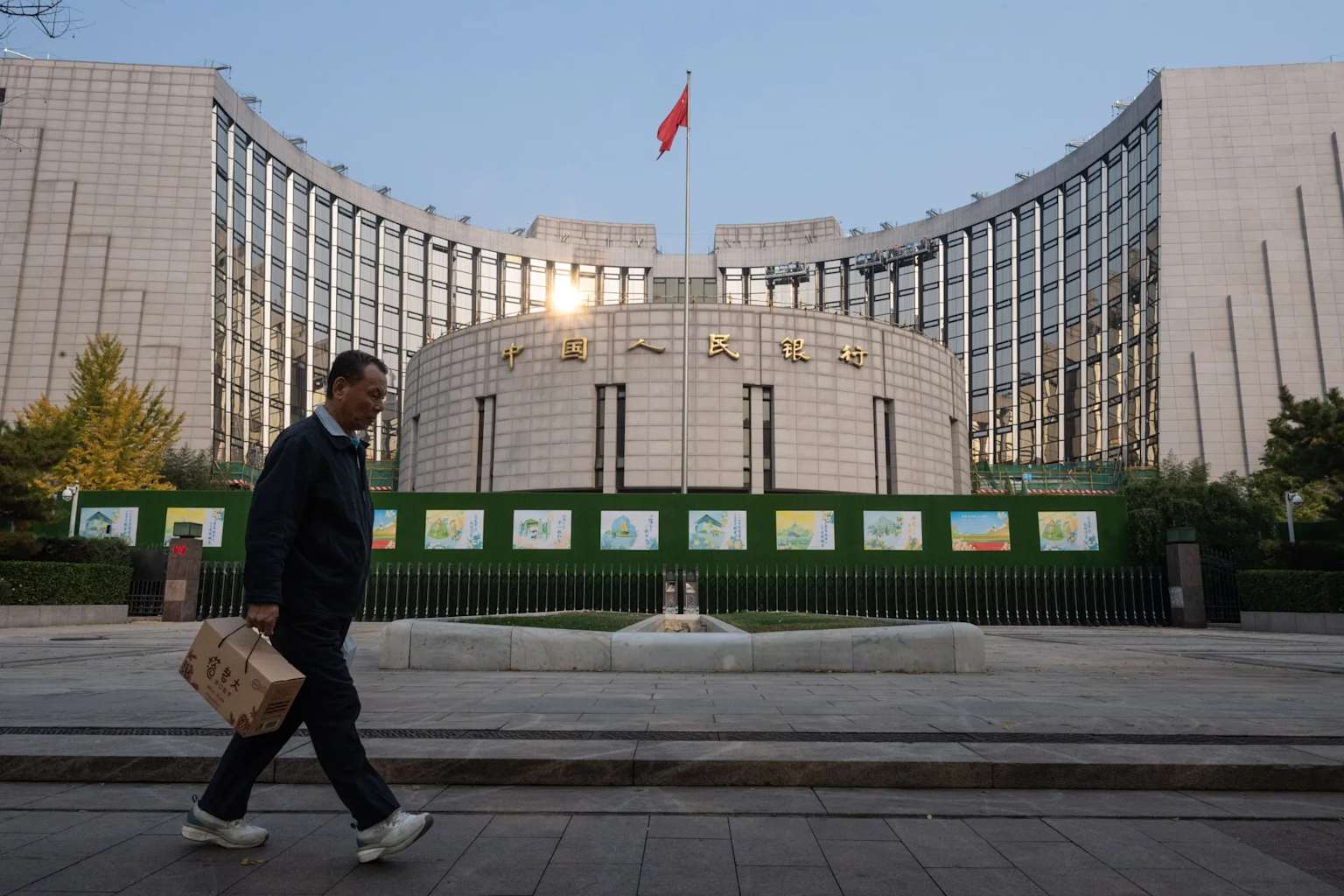
China's People's Bank of China held its loan prime rate steady for a 16th consecutive month on September 20, keeping the one-year rate at 3% and the five-year rate at 3.5%. Near-zero consumer inflation and a weak property market leave Beijing with little reason to tighten, but the widening rate gap with the United States limits its room to cut.finance.biggo
Meanwhile, economists are raising estimates of the neutral rate, the level at which borrowing costs neither stimulate nor restrict growth. The Fed's median neutral estimate rose to 3.25%, the ECB's to 2.5% at the top end, and Goldman Sachs estimates Japan's has also risen by about a quarter point. Analysts at Malaysia's New Straits Times noted the cycle is expected to be relatively muted compared with 2022, given that rates are already well above the lows of the last hiking campaign. But as Mizuho Securities' Serena Zhou told Reuters, "the hawkish Fed backdrop reduces the likelihood of broad monetary easing" elsewhere.investinglive+2