


Newsletter Subscribe
Enter your email address below and subscribe to our newsletter
[forminator_form id="25163"]

All voices matter
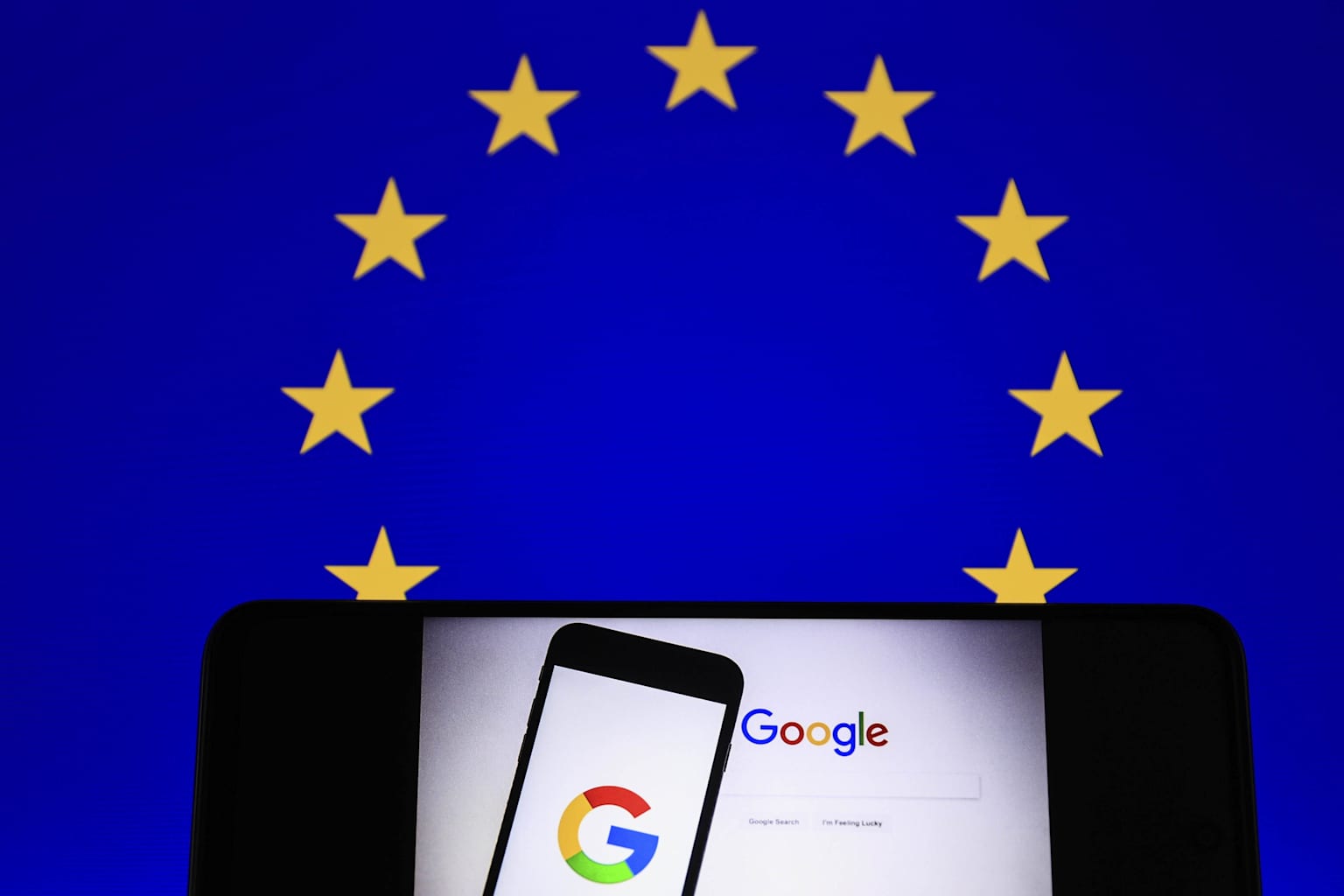
reutersreuters+1reutersAlphabet's Google on Tuesday rolled out changes to its search results across Europe to comply with EU antitrust regulators, warning the overhaul represents the "largest reduction in quality of service" in the search engine's 29-year history.
The changes, first reported by Reuters, come as Google faces a deadline to satisfy the European Commission following a €460 million fine in July for favoring its own services in shopping, hotel, transport, and sports results — a violation of the EU's Digital Markets Act.reuters
The revamped layout places one specialized search engine at the top of results pages, followed by two others with fewer details. Below those sits a carousel of hotels, airlines, and restaurants with key features, including real-time prices, stripped out. Google's algorithm still determines the rankings.thenextweb+1
Nick Fox, Google's senior vice-president for knowledge and information, said in a statement to Reuters: "These changes degrade the user experience for Europeans — boosting online intermediaries at the expense of local businesses, and removing helpful features people rely on every day."reuters
Google said the changes benefit price comparison sites such as Expedia and Booking.com over the businesses — hotels, airlines, restaurants — that users are actually searching for. The company said earlier DMA-related changes had already led to a 30% drop in free, direct booking traffic to European businesses. Users outside the EU will not be affected.reuters
The Commission gave Google 60 days from the July fine to comply or face periodic penalty payments of up to 5% of its total worldwide turnover. Google has accumulated €10.38 billion in EU antitrust penalties over nearly two decades.thenextweb+1
Google said it tested the new layout with millions of European users and found "high dissatisfaction," with people having to retype queries to find what they wanted. However, as The Next Web noted, every data point underpinning Google's case — the 30% traffic drop, the user dissatisfaction, the record quality claim — comes from Google itself, and none of the underlying methodology has been made public.reuters+1
The fines have become a transatlantic flashpoint, with U.S. President Donald Trump threatening to launch a probe into what he called the EU's "robbing" of American companies. The Commission has not publicly responded to Tuesday's rollout. Whether regulators accept the layout as compliant, and whether European businesses independently confirm Google's forecasts of traffic losses, will determine whether the company's warning was prescient or tactical.reuters+1


