Newsletter Subscribe
Enter your email address below and subscribe to our newsletter
[forminator_form id="25163"]

All voices matter
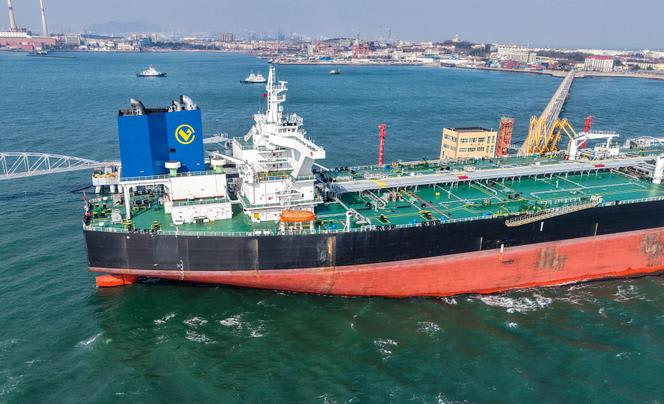
smh+1ttnews+1straitstimesAs the Iran war choked off the world's most important oil chokepoint, a South Korean shipping company quietly became one of the conflict's biggest commercial winners. Sinokor Group, controlled by the reclusive tycoon Chung Ga-hyun, leased supertankers to Abu Dhabi National Oil Co. to shuttle crude out of the Persian Gulf with transponders switched off, helping the UAE restore oil exports to near pre-war levels before the interim peace deal was even signed.
By June, nearly half of all Emirati crude shipments were sailing on Sinokor-controlled vessels, according to ship-tracking data from analytics firm Vortexa, as first reported by Bloomberg. The company transported an average of at least 680,000 barrels per day from UAE ports since April, a figure that accelerated to 1.4 million barrels per day in June, based on data from both Vortexa and Kpler.smh+1
The covert runs followed a pattern: Sinokor supertankers loaded crude at UAE terminals inside the Persian Gulf, then transited the Strait of Hormuz with tracking systems disabled to avoid Iranian surveillance, before offloading to waiting vessels in the Gulf of Oman. At least 10 Sinokor vessels participated in the shuttle runs, with three operating continuously since mid-April.chosun+1
Shipbrokers estimated those three tankers alone could have earned Sinokor between $60 million and $120 million, Bloomberg reported. The premium for sailing into the Gulf during the war ran three to four times the pre-war rate. In one booking disclosed in late June, Sinokor charged 897% of the standard freight benchmark to supply a vessel in the Persian Gulf, according to shipbrokers cited by gCaptain.straitstimes+2
Sinokor's wartime windfall was built on a massive pre-conflict wager. Late in 2025, backed by Mediterranean Shipping Co., the world's largest container line, which purchased a 50% stake in Sinokor Maritime, the company went on an unprecedented buying spree of very large crude carriers. By late February, Sinokor controlled roughly 150 supertankers — close to 40% of the unsanctioned global fleet available for hire.ttnews+1
The company had moved at least six empty supertankers into the Gulf in the weeks before the war began, positioning them to charge soaring daily rates as regional storage filled up. Before the war, Sinokor was already asking the equivalent of about $20 a barrel to ship oil from the Middle East to China, compared with an average of $2.50 the year before.straitstimes+1
Even after the US-Iran interim peace deal, Sinokor has continued sending supertankers into the Gulf. In the first week of July alone, the company dispatched at least 18 supertankers, enough to carry 36 million barrels of crude. The company has also begun marketing its services for cargoes from other Gulf producers, including Iraq. "We can pass Hormuz Strait after loading," Sinokor told shipbrokers in a late-June message soliciting business.straitstimes
"Sinokor's moves during the Iran war are groundbreaking," said Matt Wright, Kpler's principal freight analyst. "They are also willing to go to corners of the market where shipowners might still be cautious about".straitstimes