Newsletter Subscribe
Enter your email address below and subscribe to our newsletter

All voices matter
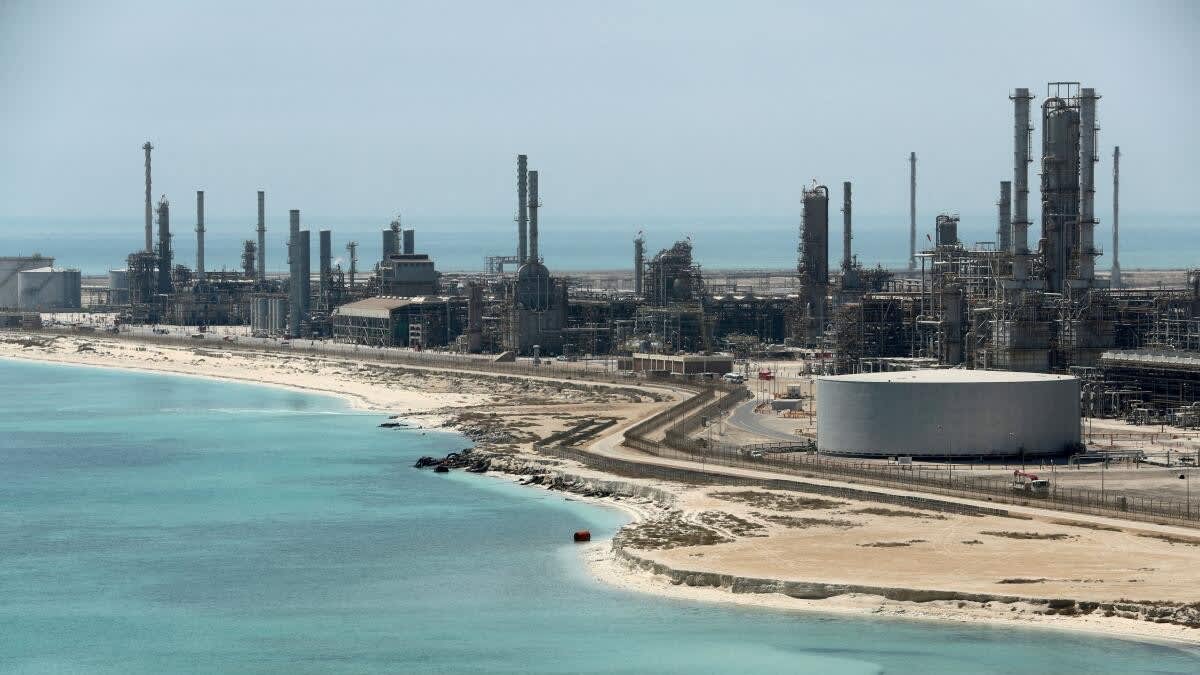
reutersreuters+1reuters+1Saudi Arabia is considering expanding the capacity of its East-West crude oil pipeline to the Red Sea coast by up to 2 million barrels per day, as the kingdom and its Gulf neighbors seek to permanently reduce their dependence on the Strait of Hormuz following the Iran war, Reuters reported on Monday.tankterminals+1
The kingdom is in preliminary discussions with Kuwait, Bahrain, and Qatar about the potential expansion, five sources close to the matter told Reuters. The planned increase could range from 1 million to 2 million bpd, with one source saying it would include a smaller second pipe for refined products.english.alarabiya+1
"We are in discussions with our brothers in Saudi Arabia and in the emirates to look at how to expand the pipeline system that they have to accommodate Kuwaiti barrels," Kuwait Petroleum Corporation CEO Sheikh Nawaf al-Sabah said at the Atlantic Council Global Energy Forum last month.oedigital
The East-West pipeline, known as the Petroline, currently operates at its full capacity of 7 million bpd, transporting crude from eastern oilfields to the Red Sea port of Yanbu. About 5 million bpd are available for export. The expansion would take years, cost billions of dollars, and require changes to Saudi crude's pricing mechanism, according to one of the sources.reuters+2
The Iran war, which began in February, effectively shut the Strait of Hormuz and forced Gulf producers to shut in as much as 12 million bpd of output. Kuwait declared force majeure in March, Iraqi production collapsed from 4.3 million bpd to less than 1.5 million bpd in May, and Bahrain's Sitra refinery was struck multiple times by Iranian missiles. Flows have resumed partially after a preliminary U.S.-Iran deal last month but remain below pre-war levels.oedigital
The UAE, the only other Gulf state with bypass infrastructure, has completed half of a new West-East pipeline expected to double its export capacity through Fujairah to roughly 3.6 million bpd when operational in 2027.reuters+1
The parallel buildout has raised concerns about future competition between the Gulf's two largest producers. An industry source warned that the Saudi expansion "suggests that after the war, the next phase of the Saudi-UAE rivalry could be a race to the top on oil production, and therefore a race to the bottom on prices".oedigital
Zaid Belbagi, managing partner at London-based Hardcastle Advisory, said the talks "reflect a broader strategic reality. The conflict has focused minds regionally on the perils of relying solely on Hormuz".oedigital