Newsletter Subscribe
Enter your email address below and subscribe to our newsletter

All voices matter
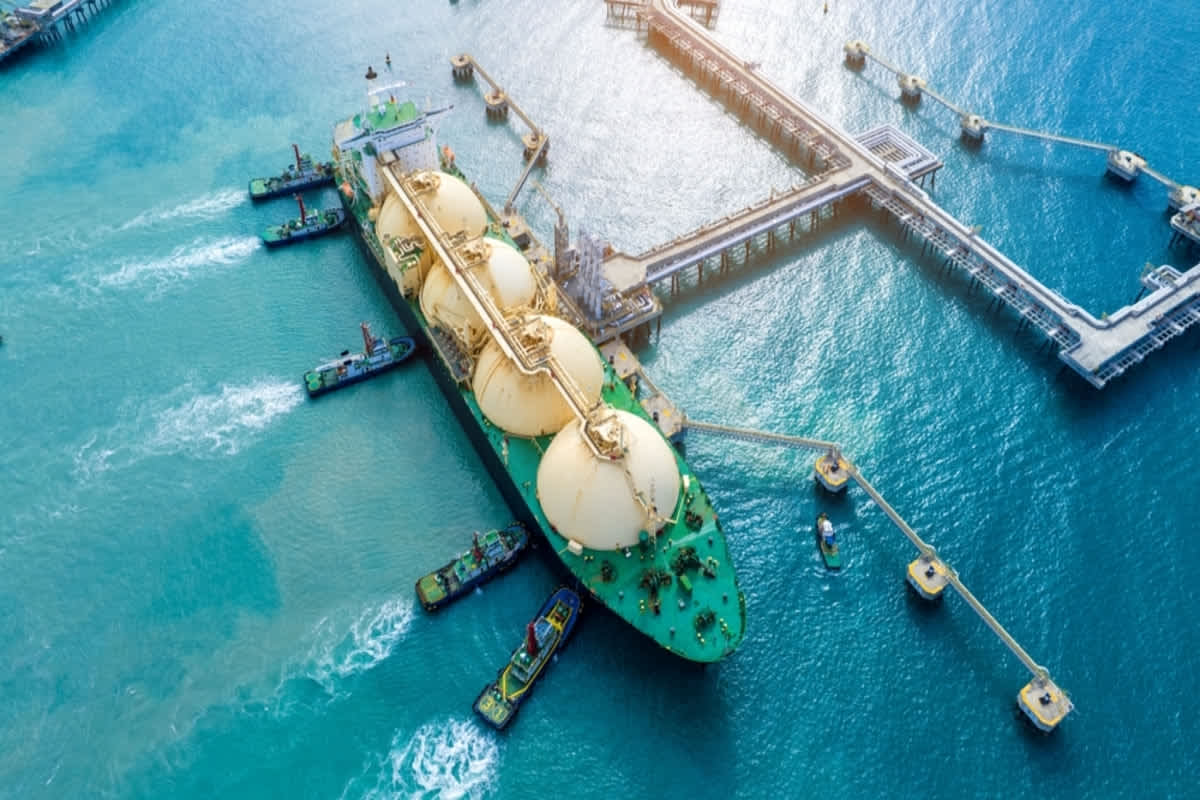
reutersboereport+1reuters+1Global trade in liquefied natural gas reached an all-time high of 436.98 million metric tons in 2025, growing 6.3% year-on-year in the fastest expansion since 2022, according to the International Gas Union's World LNG Report published on Wednesday. The IGU warned, however, that the ongoing Middle East conflict could lead to a contraction in trade volumes this year.boereport+2
The United States retained its position as the world's largest LNG exporter, shipping 110.74 million tons in 2025, followed by Qatar with 81.51 million tons and Australia with 80.32 million tons. Europe recorded the largest increase in imports among any region, rising 26.1 million tons to 126.2 million tons as countries replenished depleted gas inventories and replaced declining Russian pipeline supplies.emi-bg+1
Asia Pacific remained the largest LNG-importing region at 168.7 million tons, but purchases fell 9.2 million tons overall. China, still the world's largest single importer at 69.77 million tons, saw imports decline 8.9 million tons due to stronger domestic production and increased pipeline flows from Russia. The IGU warned that prolonged periods of elevated prices could weigh on demand growth in emerging economies across South and Southeast Asia, where affordability remains a barrier to adoption.boereport+1
The war involving Iran and the disruption to shipping through the Strait of Hormuz have upended the near-term trajectory of the LNG market. Qatar's export infrastructure has sustained damage, and expansion projects face delays, according to analysts and industry reports. Shell said in late June that Hormuz disruptions could keep global LNG trade flat in 2026 if flows do not normalize within months.globallnghub+1
"The conflict in the Gulf has damaged LNG infrastructure, clouded the outlook for the region's expansion projects, and exposed Asian buyers to flow uncertainty and higher prices," IGU President Andrea Stegher said.boereport
U.S. LNG exports surged to record levels earlier this year as Asian and European buyers sought alternatives to disrupted Middle Eastern supply, with March shipments reaching 11.7 million tons. The supply squeeze has widened the gap between depressed U.S. domestic gas prices and soaring international benchmarks, underscoring a deepening divide in global energy markets.reuters+1