Newsletter Subscribe
Enter your email address below and subscribe to our newsletter

All voices matter
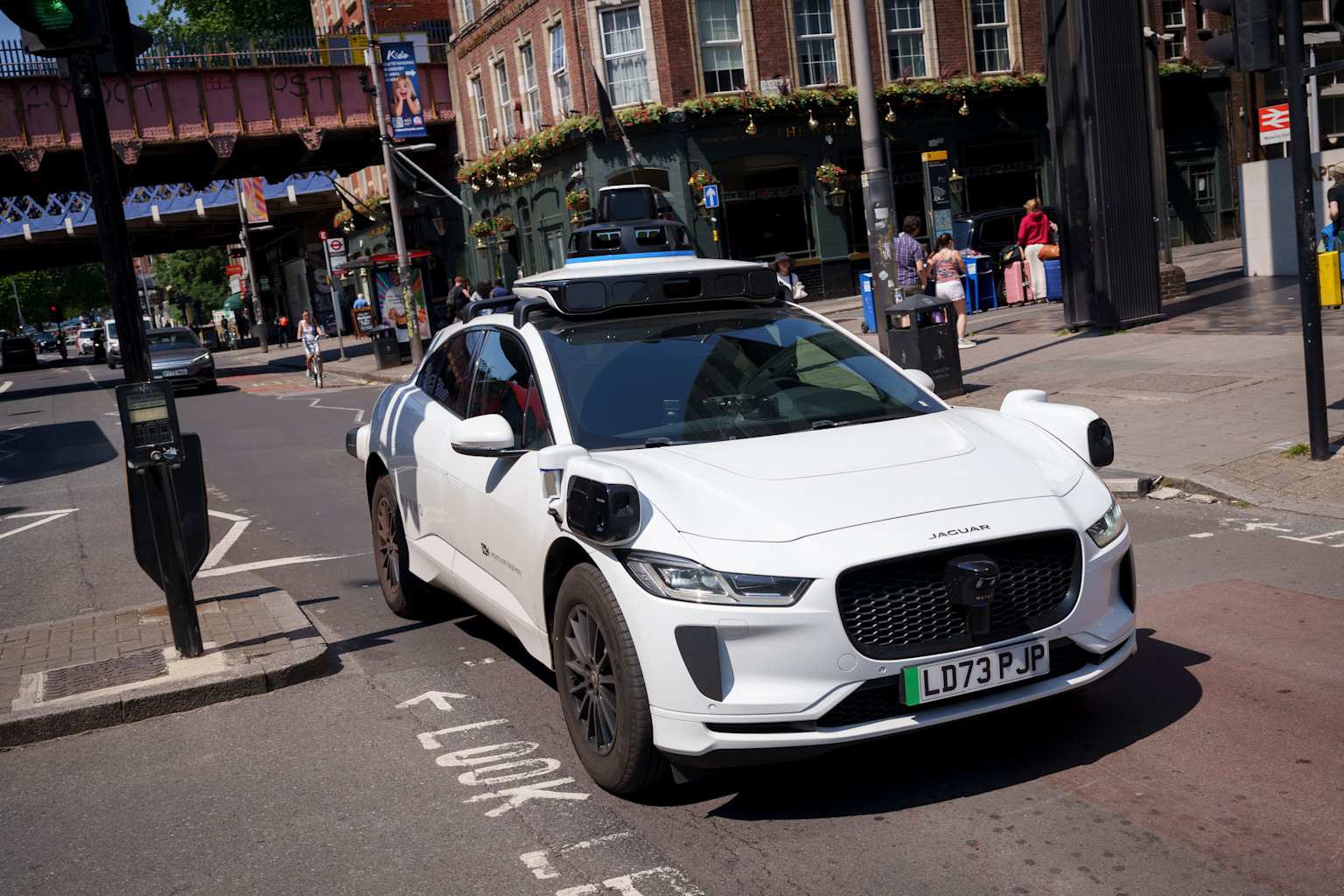
scmpscmp+1roic+1The global robotaxi sector is on track to become a $1 trillion market by 2040, according to a research note published Friday by Morgan Stanley , which identified Chinese autonomous driving firms as regional front-runners poised to benefit from rapidly declining technology costs.
The investment bank named Baidu , XPeng , and WeRide as companies well-positioned alongside Tesla and Waymo, the Alphabet subsidiary, to lead the industry's expansion over the next decade and a half.scmp+2
Morgan Stanley characterized falling manufacturing costs in China as a "major underappreciated accelerant" for the robotaxi industry. The bank forecast that the cost of parts per vehicle for Chinese-made robotaxi solutions would drop to between $35,000 and $40,000 by 2027, lowering the barrier to mass adoption. That figure stands in contrast to costs for Western-built autonomous vehicles — Morgan Stanley Research has previously estimated that a fully equipped Waymo robotaxi costs roughly $150,000 to over $200,000 to build.linkedin+1
China's advantages stem from its deep EV supply chain and lower component costs for sensors, computing hardware, and manufacturing. These structural strengths could help Chinese self-driving companies scale domestically and expand into international markets.
The forecast arrives as the robotaxi industry enters a period of rapid commercialization. Tesla has expanded its unsupervised robotaxi service to Miami and plans further launches in Phoenix, Orlando, Tampa, and Las Vegas by year-end. XPeng rolled its first mass-produced robotaxi off the production line in Guangzhou in May, becoming the first automaker in China to achieve mass production through full-stack, in-house development. WeRide and Geely's Farizon have announced plans to deliver 2,000 purpose-built robotaxis by the end of 2026.roic+4
Morgan Stanley has separately estimated that L4-and-above robotaxis will represent 8% of China's overall taxi and ride-sharing fleet by 2030, a figure that underscores the pace at which the technology is expected to penetrate everyday transportation.finance.yahoo
The trillion-dollar projection frames autonomous mobility not as a winner-take-all contest but as a market large enough to support multiple regional champions. While Tesla and Waymo hold leads in the United States, China's combination of policy support, lower costs, and aggressive deployment timelines gives its domestic players a path to global relevance — a dynamic Morgan Stanley sees as still underestimated by investors.gmasia+1