Newsletter Subscribe
Enter your email address below and subscribe to our newsletter
[forminator_form id="25163"]

All voices matter
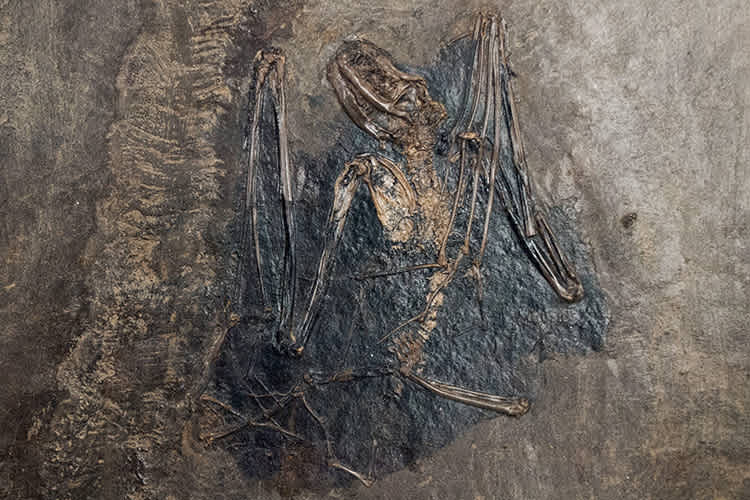
gizmodo+1gizmodo+1gizmodoThe world's only true flying mammals almost certainly took wing in Europe, not Asia, Africa, or North America as scientists had long debated. That is the conclusion of the largest combined bat genome and fossil study ever conducted, published Wednesday in the journal Nature.gizmodo+1
An international team of 137 researchers from 64 countries, working under the Bat1K consortium, sequenced the genomes of 103 bat species spanning all 21 known bat families and incorporated 44 fossil specimens into their analysis. The findings place the origin of bats in Europe roughly 65 million years ago — just a million years after the asteroid strike that wiped out non-avian dinosaurs.newsroom.wcs+2
Previous efforts to trace bat origins had yielded contradictory results, with separate studies pointing to Asia, Africa, and North America. Those earlier analyses largely relied on living species alone or predated the discovery of key fossils, according to Liliana Davalos, a conservation biologist and phylogeneticist at Stony Brook University and a study author.gizmodo
The new work also reconstructed 26 ancestral bat chromosomes and found that echolocation — a trait long thought to have evolved later — was likely present in the earliest known branch of bats, called Eochiroptera. The team's analysis indicates that after originating in Europe during the late Palaeocene, bats spread first into Africa and then diversified across the globe.ucd+2
With more than 1,500 species accounting for roughly one-fifth of all mammals, bats are among the most successful mammalian orders. But the new genomic database may prove just as valuable for understanding their other unusual traits, including extreme longevity relative to body size and a remarkable ability to tolerate viruses without falling ill.newsroom.wcs+1
"By publishing the genome assemblies and all the data, we expect to catalyze the study of bats as mammals with a series of unique anatomical, aging, and immunological traits," Davalos told Gizmodo.gizmodo
The researchers framed their work partly as a conservation effort. Approximately 80 percent of bat species are either threatened with extinction, declining in population, or so poorly studied that their status is unknown, Davalos noted. The Bat1K project's ultimate goal is to sequence every living bat species, though Davalos acknowledged that funding remains precarious, particularly in the United States amid federal restrictions on research spending.gizmodo
"We hope showing the origin and evolution of bats through time can promote attention to ecological research that can inform conservation," she said.gizmodo