


Newsletter Subscribe
Enter your email address below and subscribe to our newsletter
[forminator_form id="25163"]

All voices matter

Hawaiʻi and Rapa Nui sit about 7,000 kilometers apart, at opposite corners of the Polynesian triangle. A new genetic study finds that their peoples are each other's closest relatives among the remote island populations studied. The likely reason is that…

Microsoft Research on Monday unveiled Quine, an experimental AI system built around what the company calls a "world model" of biology — one designed to represent biological systems across scales, predict how they respond to interventions, and reason through downstream…
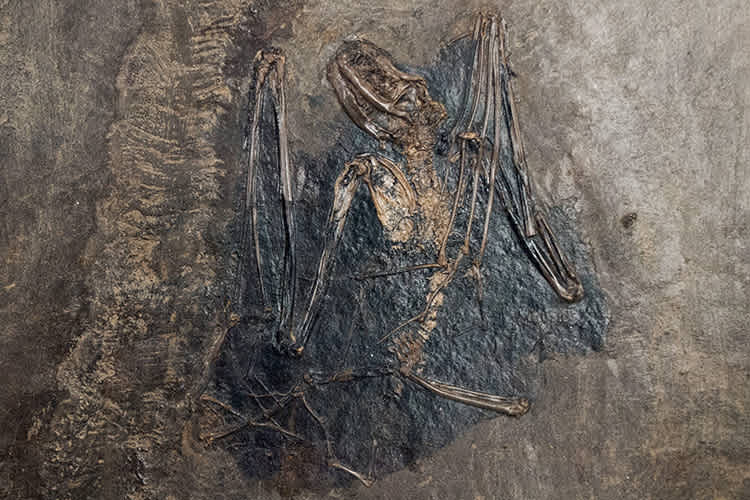
The world's only true flying mammals almost certainly took wing in Europe, not Asia, Africa, or North America as scientists had long debated. That is the conclusion of the largest combined bat genome and fossil study ever conducted, published Wednesday…

A small, spotted wild cat living in Bolivia's cloud forests has been formally identified as a species entirely new to science — the first living cat species to be named and described in more than a century.

Google Alphabet Inc. on Monday unveiled a sweeping set of AI tools aimed at accelerating scientific research and expanding global access to information, headlined by AlphaGenome Atlas — an open dataset mapping all 9 billion possible single-letter genetic changes across…

Researchers have reconstructed ancestral plant genomes more than 200 million years old and used them to pinpoint around 100 gene variants that helped wheat and barley adapt to shifting climates across 10,000 years of human cultivation — variants they say…

Google Alphabet Inc. DeepMind on Tuesday released AlphaGenome Atlas, a database containing predictions for the molecular effects of all 9 billion possible single-letter DNA changes in the human genome — an effort the company describes as "the most comprehensive catalogue…

Researchers at the University of Vienna have produced the largest-ever comparison of chromosome-scale animal genomes, revealing that the evolution of animal DNA architecture follows a limited set of one-way "evolutionary highways" rather than changing at random. The study, published on…
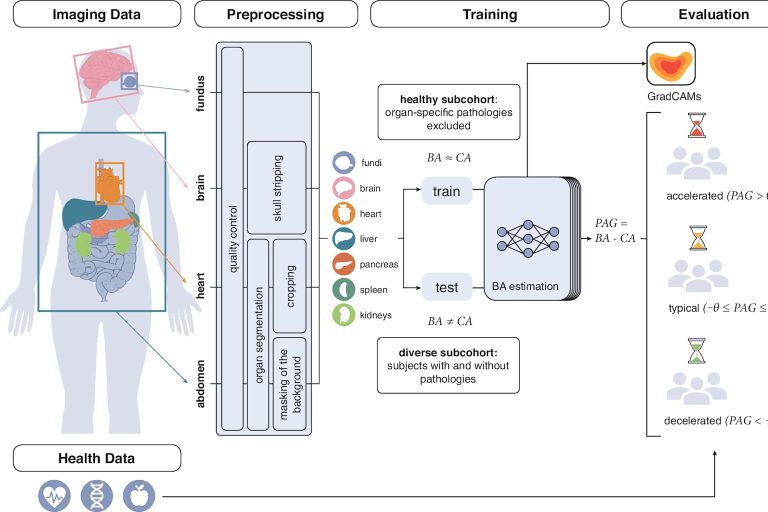
Researchers have built artificial intelligence systems that can estimate how old individual human organs are biologically by reading microscopic patterns invisible to the naked eye, offering a new way to track aging and disease that may eventually require nothing more…

The Ebola outbreak ravaging the Democratic Republic of Congo and Uganda originated from a fresh spillover of the virus from animals to humans, rather than a re-emergence of strains from previous outbreaks, according to a study published Monday in Nature…
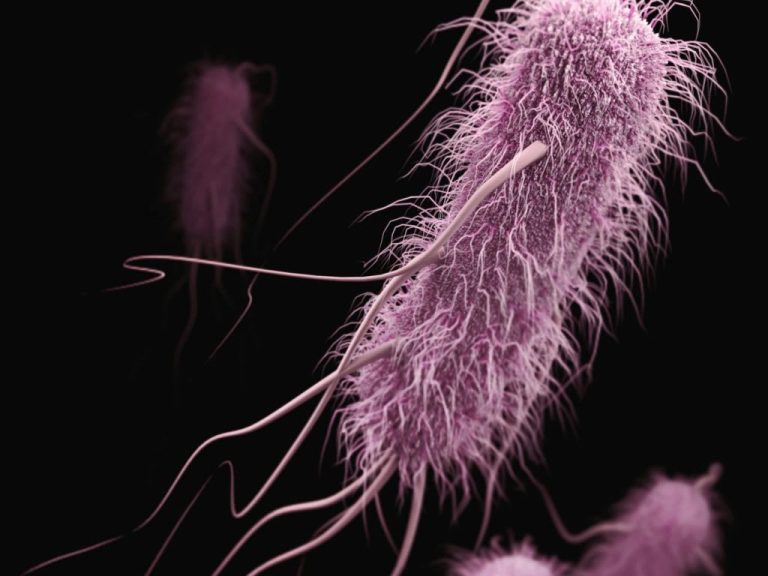
Researchers at Stanford University and the Arc Institute have used generative AI to design complete viral genomes that function in the laboratory, producing 16 novel bacteriophages capable of infecting and killing *Escherichia coli* — including strains resistant to natural phages.…
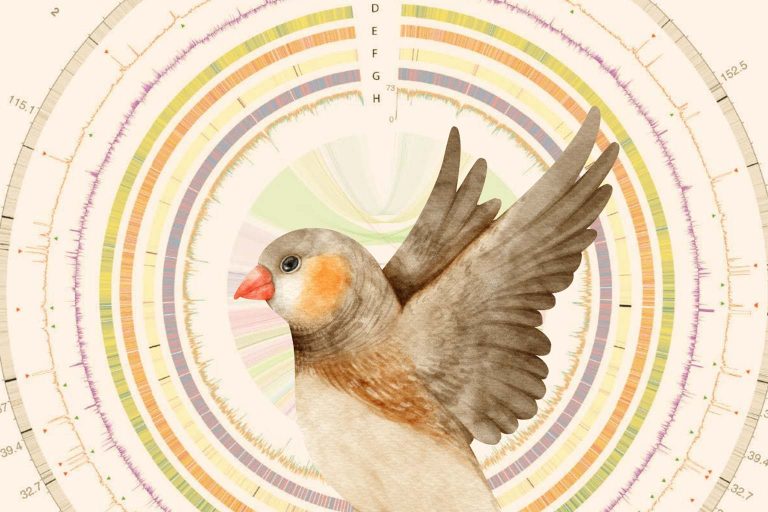
Researchers at Rockefeller University have produced the first complete genome assembly of the zebra finch, uncovering 2,710 previously unknown genes and delivering the most accurate bird genome assembled to date. The achievement, published in Cell on August 6, resolves longstanding…

Researchers at the University of California, Santa Cruz Genomics Institute have published the first gapless, telomere-to-telomere genome of the common marmoset, a milestone they say will sharpen the study of Alzheimer's disease and other neurodegenerative conditions. The findings, published Thursday…

Researchers at Stanford University and the Arc Institute have used artificial intelligence to design 16 functional viruses with genomes never before seen in nature, in what scientists describe as a "very significant turning point" for synthetic biology. The work, published…

Scientists have reconstructed the complete genome of a living person for the first time, capturing full sets of chromosomes from each parent in a achievement that researchers say will make personalized genomics routine in medical care. The advance, published Thursday…

An international team of scientists has unveiled one of the most extensive collections of patient-derived cancer models to date, offering researchers new tools to study tumor biology and accelerate the development of personalized treatments. The compendium, published Wednesday in Nature,…

A team led by Nobel laureate Jennifer Doudna has developed an artificial intelligence platform capable of designing synthetic genome-editing enzymes that match or surpass the performance of their natural counterparts, according to a study published in Science on July 16,…

Scientists have unveiled a non-invasive blood test capable of screening almost the entire protein-coding genome of a foetus, detecting 95 to 99 percent of the genetic variants found through invasive procedures such as amniocentesis. The technique, called non-invasive foetal sequencing…