


Newsletter Subscribe
Enter your email address below and subscribe to our newsletter
[forminator_form id="25163"]

All voices matter
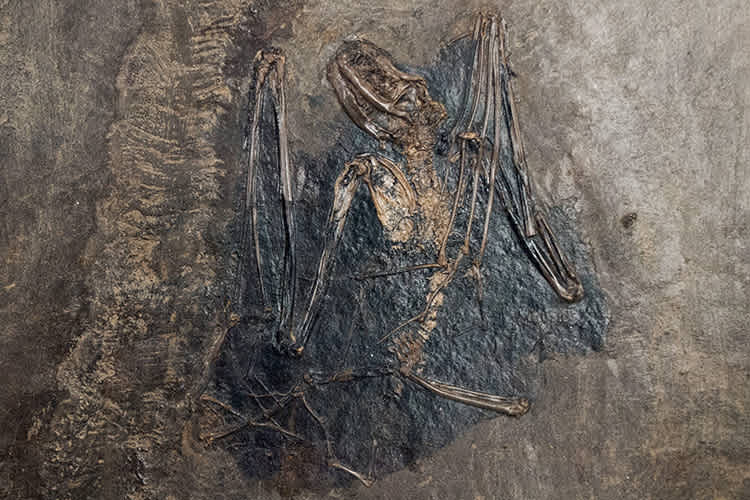
The world's only true flying mammals almost certainly took wing in Europe, not Asia, Africa, or North America as scientists had long debated. That is the conclusion of the largest combined bat genome and fossil study ever conducted, published Wednesday…

Scientists have discovered a new species of amoeba that thrives at temperatures previously thought impossible for complex life, breaking the long-standing record for eukaryotic heat tolerance. The organism, named *Incendiamoeba cascadensis* — or "fire amoeba from the Cascades" — can…

A 236-million-year-old fossil from Argentina has provided what researchers say is the earliest evidence of live birth in the mammalian lineage, pushing the origin of viviparity back 90 to 95 million years earlier than previously thought.
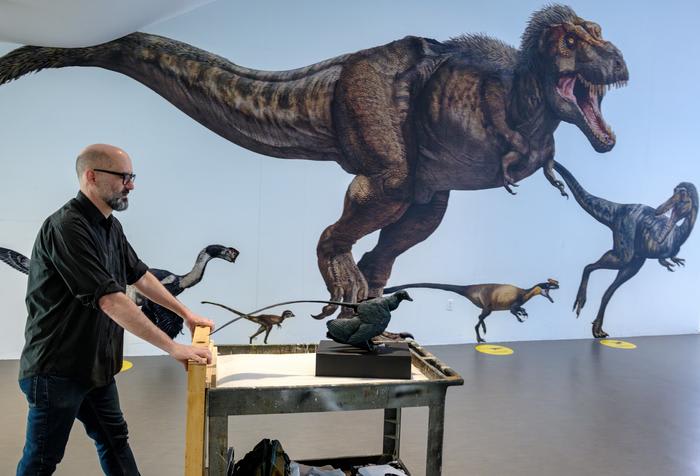
Dinosaurs ruled the Earth as some of the largest land animals in history, but a new study suggests one of the most puzzling aspects of their evolution lies at the opposite end of the size spectrum: why they never became…

More than two centuries after Jean-Baptiste Lamarck proposed that organisms could pass on traits acquired during their lifetimes, a growing body of scientific evidence is breathing new life into the long-dismissed theory. In an essay published in The Conversation on…

A palm-sized organism that crawled along the ocean floor more than half a billion years ago appears to have preferred turning right — making it the oldest known animal to display a population-wide side preference, according to research published today…
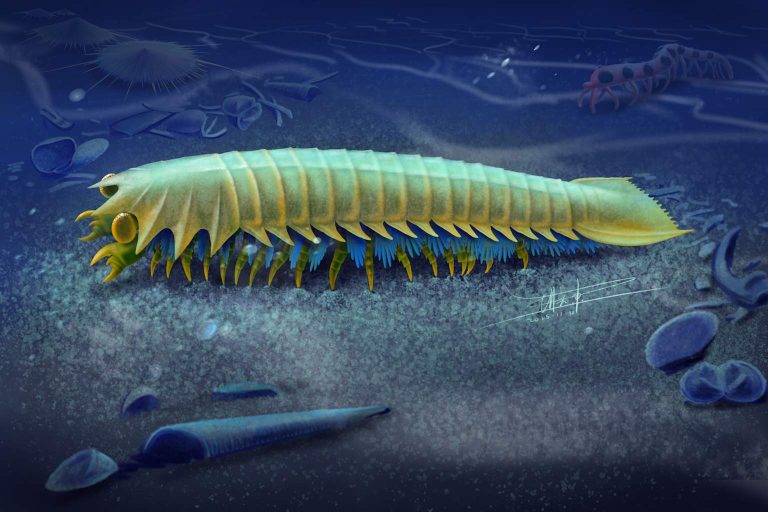
A 518-million-year-old marine creature preserved in the rocks of southern China has yielded the earliest known evidence of chelicerae — the specialized appendages that evolved into the fangs of spiders and the pincers of scorpions — according to a study…
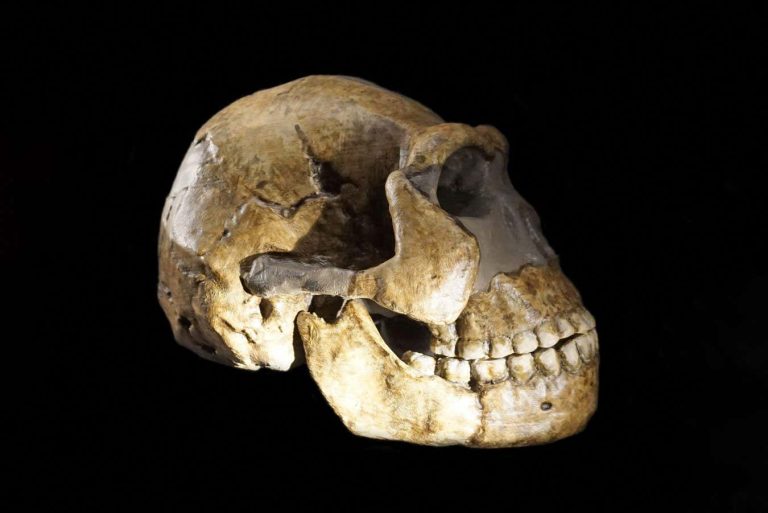
The first-ever protein analysis of Homo naledi fossils has revealed that all known individuals recovered from South Africa's Rising Star Cave system appear to be female, raising new questions about the behavior and social structure of this enigmatic human relative.