Newsletter Subscribe
Enter your email address below and subscribe to our newsletter
[forminator_form id="25163"]

All voices matter
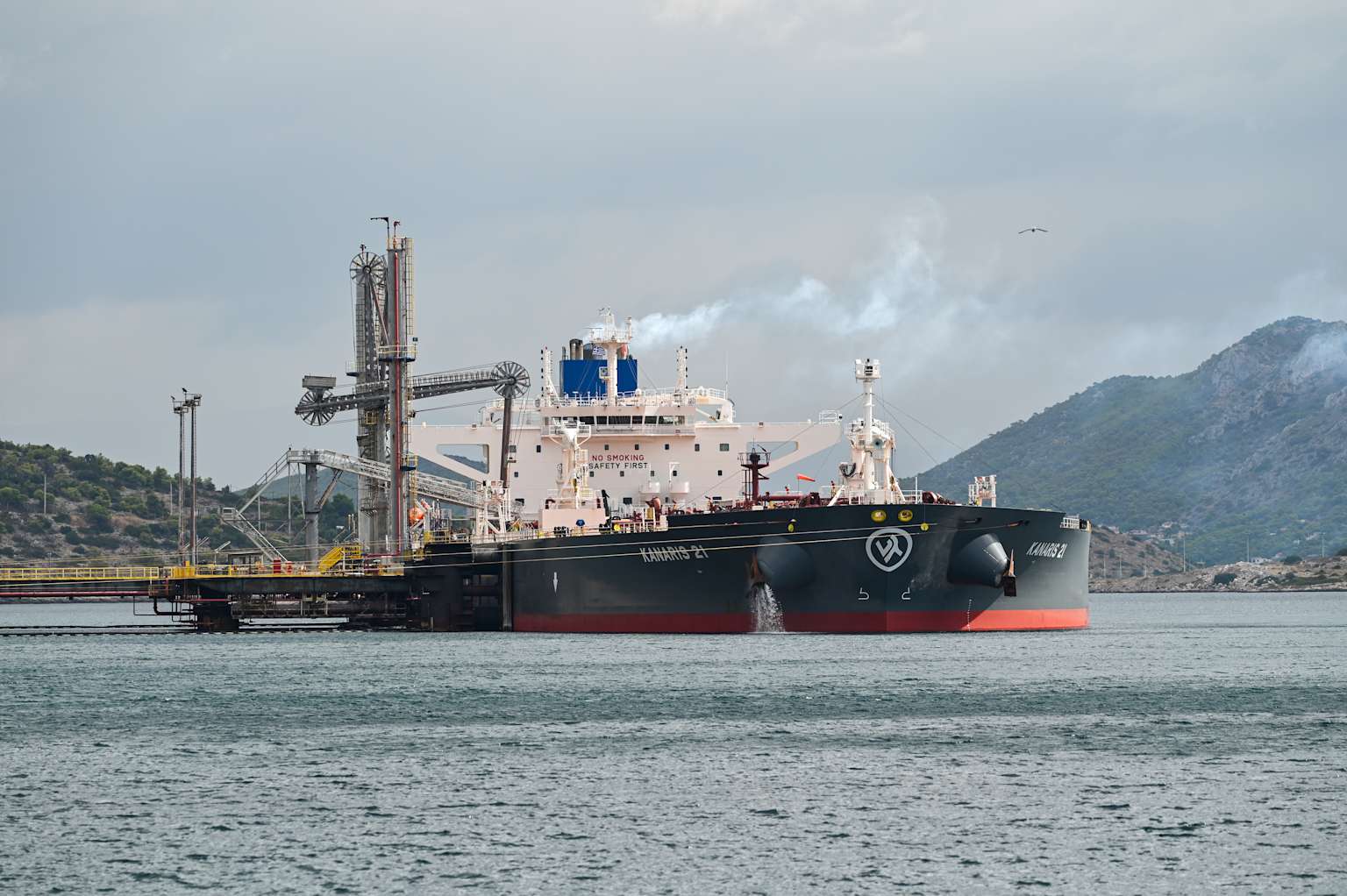
wsj.wsj.reuters.Gulf oil producers are paying record amounts to keep crude moving through the Strait of Hormuz. According to The Wall Street Journal, some sailors are being offered as much as $25,000 for a single round trip into the Persian Gulf, as Iranian attacks keep the waterway dangerous.wsj
Exports through the strait have largely recovered. But the cost of getting each barrel out has climbed so high that it is now one of the main reasons oil prices remain above $100 a barrel.reuters
Under the shuttle system, which the United Arab Emirates and other producers set up, tankers load crude inside the Gulf, sail out through Hormuz and transfer their cargo to vessels waiting outside the waterway. Shipbrokers told the Journal that a round-trip run costs producers $30 million to $40 million, or $15 to $20 a barrel, before insurance.wsj
Some of that money reaches the crews. Many of the sailors willing to make the war-zone crossing are from India, the Philippines and China, and they are being offered two or three times their usual monthly pay. One ship staffing company based in Shandong is advertising up to $25,000 per round trip, which for oilers and cadets could be more than a year's wages. A first mate on one shuttle tanker said he had made two trips in and out of Hormuz in the past month. He was paid three times his monthly salary for the days he spent in the conflict zone.wsj
The Journal also reported that attacks on ships have picked up again. A U.S. official said Iran's targeting of vessels has improved, making the crossings riskier.wsj
Seven-day average crude flows through Hormuz reached 14.2 million barrels per day on Sept. 26, almost 80% of pre-war levels, according to Kpler data cited by Reuters columnist Ron Bousso. In September, Saudi Arabia shipped an average of 3 million barrels per day through the strait, its highest level since the war began. The kingdom moved more of its exports back to Hormuz after Iranian-backed Iraqi militias attacked its East-West pipeline. Energy Aspects estimates the global supply shortfall at about 1.6 million barrels per day, down from about 4 million in May.reuters
Even so, Brent crude is still more than 40% above its pre-war level. Shipping broker Poten & Partners says renting a very large crude carrier to move oil from the Middle East to Asia recently cost more than $1.2 million a day, compared with about $30,000 in January. Freight once made up about 3% of the delivered cost of a barrel. It now makes up roughly 27%.reuters
Bousso warned that more exports through Hormuz "may initially worsen the situation" because they would increase demand for the shuttle networks. Lost refining capacity in the Middle East and Russia has also pushed diesel prices to record highs, adding to the pressure.reuters
"Oil prices are no longer primarily a function of supply, but of the industry's ability to transport and process crude," Bousso wrote.reuters