Newsletter Subscribe
Enter your email address below and subscribe to our newsletter
[forminator_form id="25163"]

All voices matter
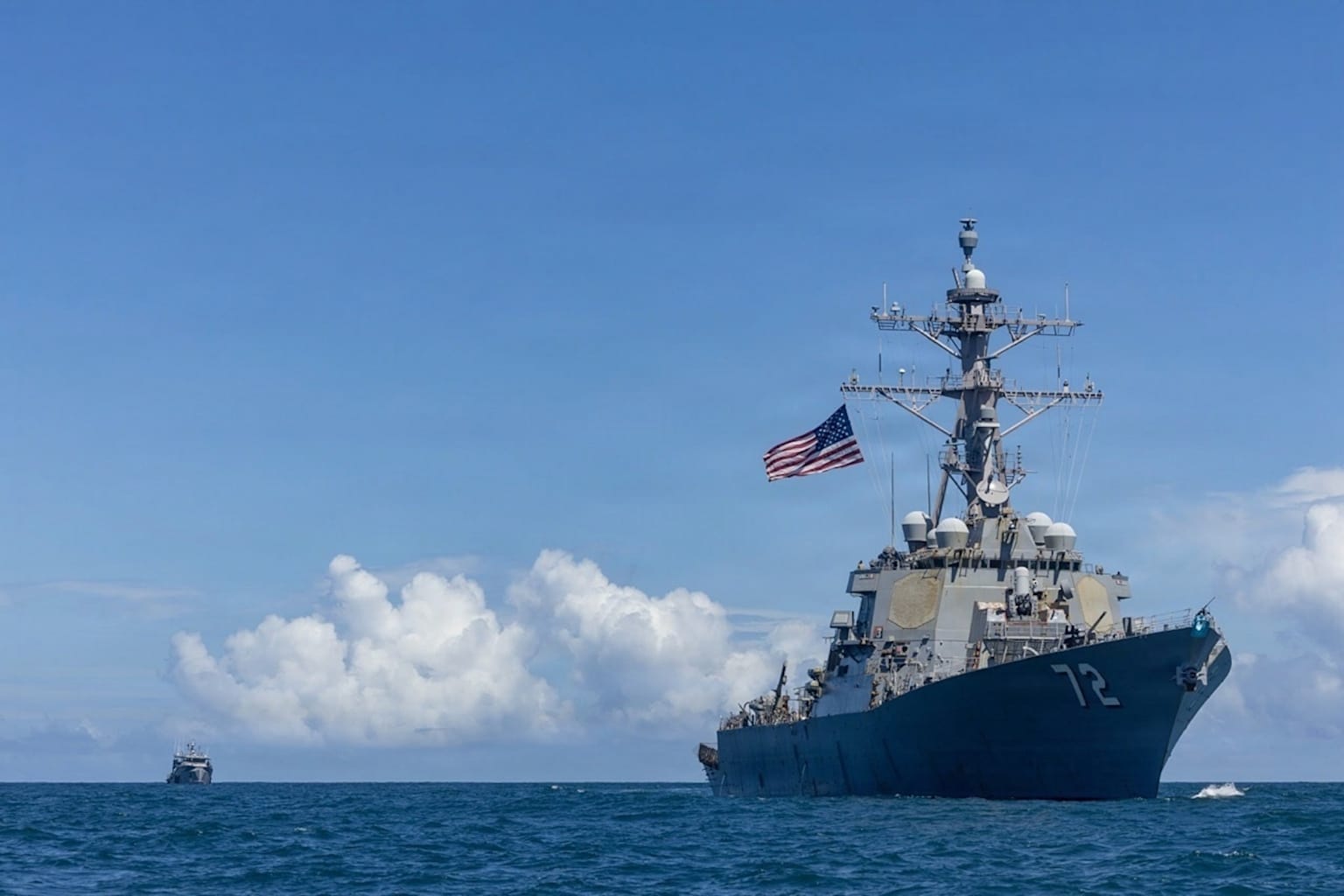
dailysabah+1dailysabah+1dailysabahShipping traffic through the Strait of Hormuz has partially recovered after weeks of sharp decline, with U.S. military escorts helping move roughly 6.5 million barrels of oil per day out of the Persian Gulf — though the figure remains far below the approximately 20.9 million barrels per day that flowed through the waterway before the conflict began.dailysabah+1
Twenty vessels crossed the strait on July 29, evenly split between inbound and outbound transits, according to data from maritime intelligence firm Windward. That marked an increase from single-digit daily crossings the previous week, when the U.S. intensified strikes on Iran in mid-July and Tehran launched retaliatory attacks across the region.news.futunn+1
Among the outbound vessels was the Al Areesh, carrying Qatar's first liquefied natural gas shipment through the strait in roughly three weeks. U.S. Energy Secretary Chris Wright confirmed the military's direct role in facilitating passage. "We are using the United States military to escort out oil and gas out of the Strait of Hormuz," Wright told Bloomberg Radio.dailysabah+2
The oil-shuttling trade — in which vessels ferry cargoes out of the Gulf onto other ships waiting outside the waterway — has also picked up again after a recent lull, according to Bloomberg, helping millions of barrels reach global buyers while bypassing the most dangerous stretch of water.bloomberg
The rebound comes with deep caveats. Five of the 20 vessels that crossed on July 29 were classified as dark, operating without normal Automatic Identification System transmissions. Windward found that 28 percent of tankers on the Gulf side of the strait were transmitting identities that differed from their tracked cargo profiles — nearly all linked to sanctions evasion involving Iranian petroleum exports.dailysabah
Charter rates reflect the danger. A very large crude carrier was provisionally booked at a daily rate approaching $500,000 to load cargo at a Persian Gulf port next week. War risk insurance remains available but costly, and a spokesperson for broker Gallagher told CNBC that only a handful of shipowners are choosing to transit the strait.cnbc+1
Meanwhile, U.S. Central Command accused Iran's Islamic Revolutionary Guard Corps of threatening and attempting to attack commercial vessels, while the IRGC said it had stopped three oil tankers that ignored its warnings. All three of Iran's crude export terminals at Kharg Island were empty during Windward's latest assessment, pointing to a sustained slowdown in Iranian loading activity.marineinsight+1
The Hormuz tensions are part of a broader pattern of maritime chokepoints becoming active conflict zones. Late on Wednesday, a drone struck the U.S.-managed floating LNG storage unit Energos Winter at Egypt's Damietta port near the Suez Canal entrance, with fire spreading to a second vessel; both crews were evacuated with no casualties reported. In the Red Sea, Houthi threats persist, and in the Black Sea, Ukrainian drone strikes on Russian tankers have disrupted oil and grain exports.cnbc+1
"We often treat the Strait of Hormuz, the Black Sea, or Bab el-Mandeb as isolated events. They are not," Daejin Lee, global head of research at Fertistream Freight, told CNBC. "These waterways are increasingly becoming battlegrounds within the broader transition toward a new world order."cnbc