Newsletter Subscribe
Enter your email address below and subscribe to our newsletter
[forminator_form id="25163"]

All voices matter
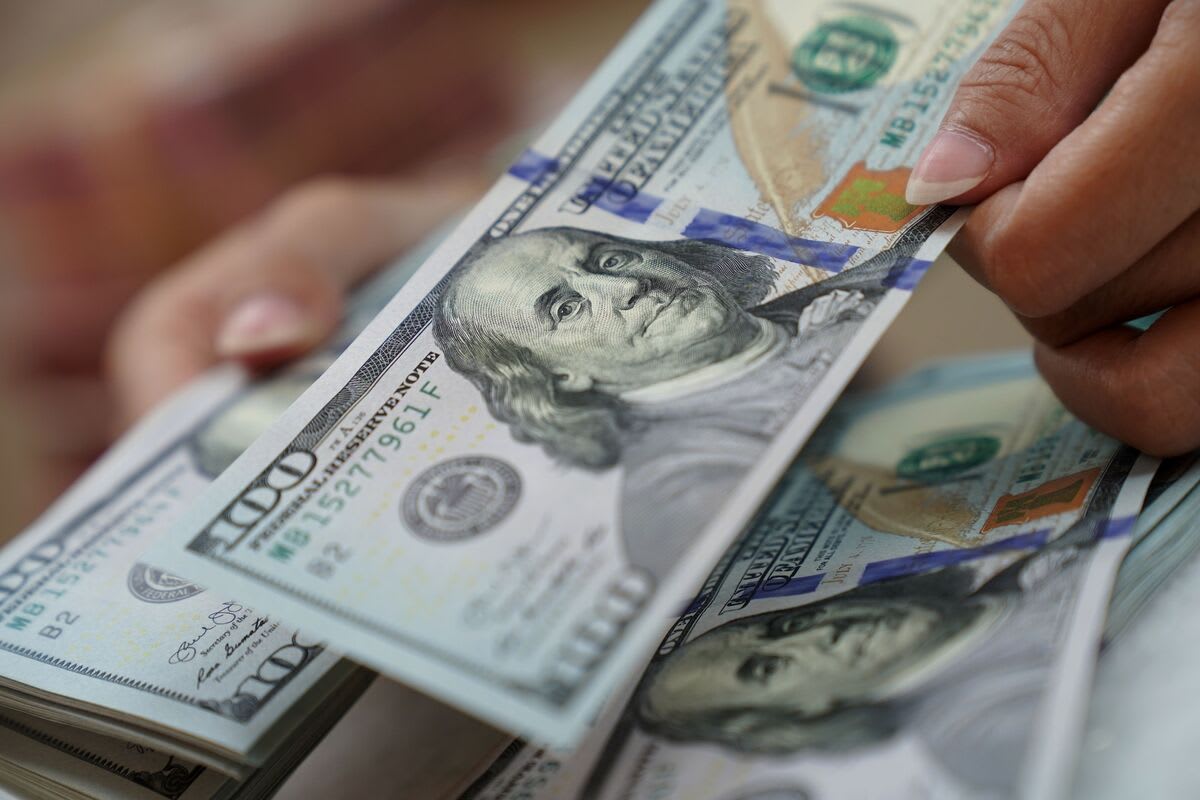
bloombergbloomberg+1bloomingbitGlobal pension funds and insurers have let their defenses against a weaker dollar slip to their lowest point in more than a decade, setting the stage for potential currency losses and a feedback loop that could deepen the greenback's decline.
Institutional investors across six markets — Japan, Canada, Taiwan, Australia, Denmark and Finland — hedged just 41% of their foreign-currency exposure as of June 30, down from 56% in 2020, according to Bloomberg calculations published on September 3. It is the lowest level since at least 2015, and it leaves some of the world's largest holders of U.S. assets exposed to exchange-rate swings at a time when the dollar has been losing ground.bloomberg+1
The decline in hedging had been deliberate. During years of dollar strength, leaving positions unhedged boosted returns, allowing investors to pocket gains from both rising asset prices and a stronger currency. Higher U.S. real interest rates also made hedging more expensive, encouraging funds to go without.bloomingbit+1
But with the dollar now weakening — the Bloomberg Dollar Spot Index fell 2.1% in the third quarter through September 3, according to Korea Economic Daily — the calculus has shifted. Australia had the lowest hedge ratio at 27%, followed by Canada at 38%, Taiwan at 43%, Japan at 46%, Denmark at 49% and Finland at 51%.bloomberg+1
If investors in those six markets raised their hedge ratios by just 5 percentage points, Bloomberg estimated it would require roughly $230 billion in dollar-futures selling — a volume large enough to accelerate the currency's decline. Shoki Omori, chief strategist at Deutsche Bank , warned that conditions now differ from the last time hedge ratios were this low, in 2013, citing additional Bank of Japan rate hikes and insurers' reduced tolerance for currency volatility. Eric Nelson, a foreign-exchange strategist at Wells Fargo , said heavier hedging could speed the dollar's decline in the short term, though monetary policy would likely determine its longer-run path.finance.biggo+2
Korean institutional investors face a parallel problem. The country's insurance industry has reportedly let hedge ratios fall to 80% at large firms and below 50% at smaller ones. South Korea's National Pension Service raised its target hedge ratio to 15% from 10% in April, but more than 85% of its overseas portfolio remains unhedged. Stuart Simmons, head of multi-asset solutions at Australian asset manager QIC, said investors should reconsider whether holding 70% of foreign-currency assets in dollars will remain an effective risk-management strategy.bloomberg+1