Newsletter Subscribe
Enter your email address below and subscribe to our newsletter
[forminator_form id="25163"]

All voices matter
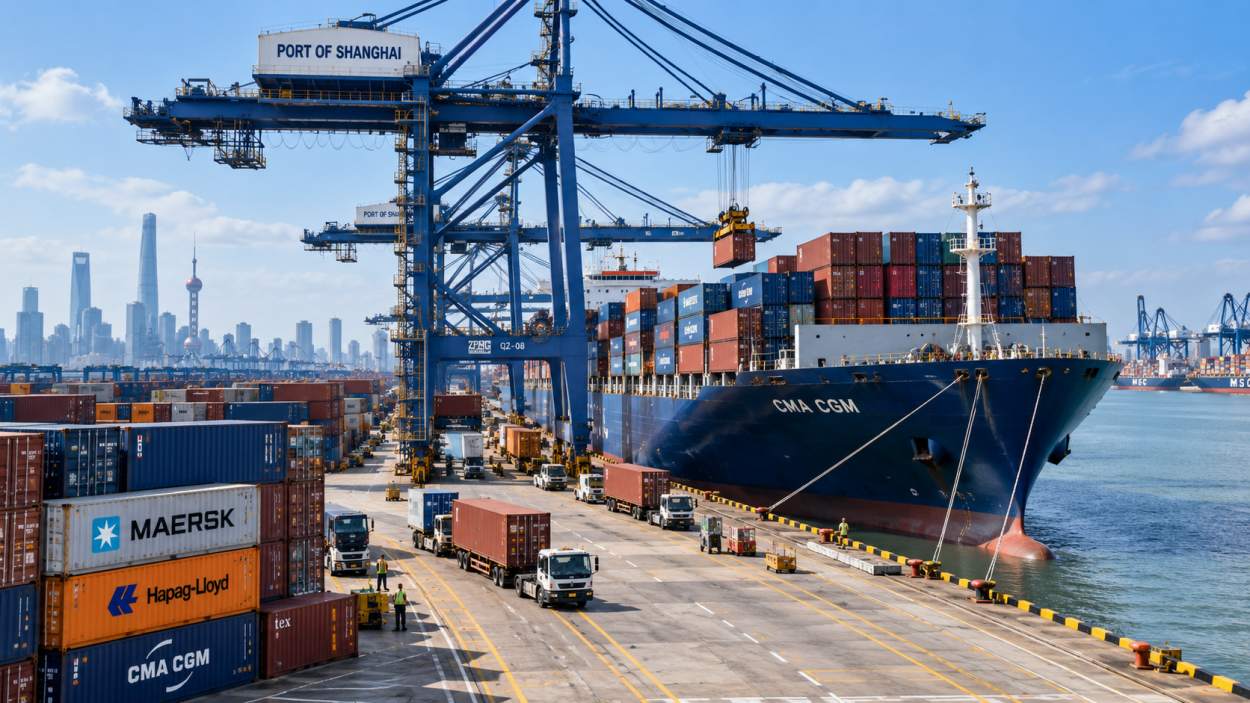
breakbulk+1theloadstar+2breakbulk+1Global container freight rates have jumped 143% from a year ago as an unusually prolonged peak season collides with severe port congestion, tight vessel capacity, and a cascade of disruptions spanning multiple continents, according to DHL Deutsche Post AG Global Forwarding's September 2026 Ocean Freight Market Update.breakbulk+1
The forwarder reported that rates climbed 36% above June levels, while global container demand rose 5% year to date. Nominal fleet capacity is forecast to grow just 4% in 2026, below the roughly 6% annual average of the past decade. About 3.9 million TEU — equivalent to roughly 12% of effective vessel capacity — is now locked up in congested ports, a level not seen since the pandemic-era congestion peak of 2022. The Shanghai Containerized Freight Index stood at 3,590.05 points as of September 4, more than 140% higher year on year.tradingeconomics+3
A string of typhoons hitting major Chinese ports through July and August forced multi-day closures and created backlogs that rippled through global liner networks. Only 21% of vessels calling Shanghai arrived on time in July, DHL said. Berthing delays at Shanghai and Ningbo reached 10 days by late August, according to The Loadstar, with North Asia accounting for 54% of global port congestion.theloadstar+1
In Northern Europe, low Rhine water levels are compounding pressure on supply chains. The navigable water gauge at the Kaub chokepoint near Koblenz fell to about 21 centimeters on Friday, down from 50 centimeters the week before, according to Reuters. Vessels are sailing part-loaded, and tanker transport prices from Rotterdam to Karlsruhe have surged to €165–€170 per ton from around €100 a week earlier. Germany's inland navigation agency said no major improvement is expected in the coming week.kfgo
The Panama Canal Authority reduced daily vessel transits from 36 to 34 on September 4, with a further cut to 32 scheduled for September 15. Draft restrictions tied to El Niño-driven drought conditions have also tightened, with the maximum authorized draft for Neopanamax vessels dropping to 47.5 feet. Major carriers including MSC, CMA CGM and ONE have raised Panama Canal surcharges, with CMA CGM setting its adjustment factor at $500 per TEU for Asia-to-U.S. East Coast cargo.freightwaves+2
One source of cautious optimism: 18% of relevant headhaul East-West sailings are now planned through the Suez Canal, up from just 3% in February, as higher fuel prices and improved security perceptions encourage carriers to reconsider the shorter route. DHL estimates normalization could take six to 12 months if no further security disruptions occur, but warned that terminal, rail, truck, and barge bottlenecks may persist even as more ships enter service. Clearing the current backlog, the forwarder cautioned, could take until the end of 2026.dhl+1