Newsletter Subscribe
Enter your email address below and subscribe to our newsletter
[forminator_form id="25163"]

All voices matter
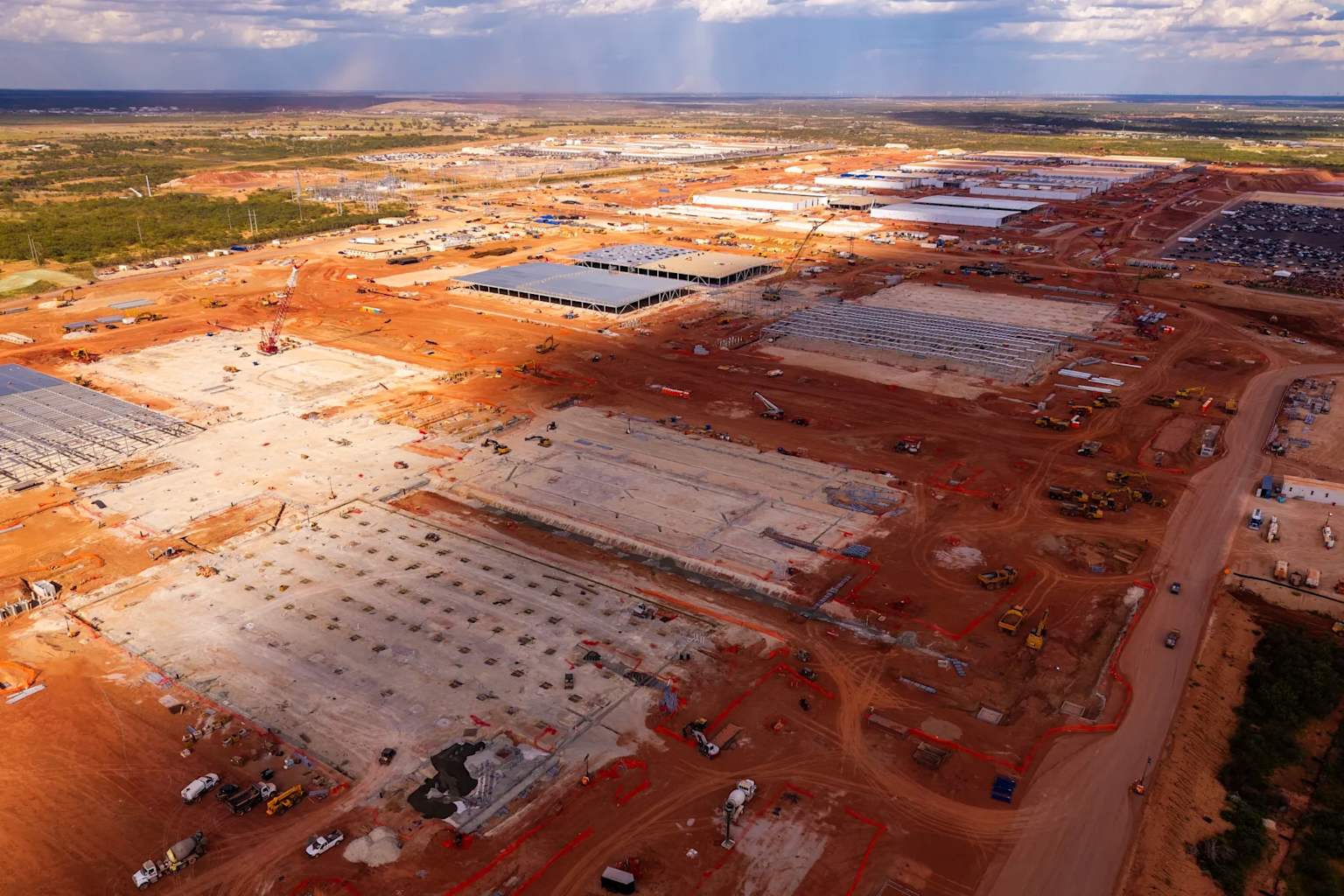
reuterstomshardwarefxstreetGlobal AI-related debt issuance is on pace to reach nearly $570 billion in 2026, yet credit markets have assigned virtually no risk premium to the borrowers behind it. A detailed analysis published this week by FXStreet found that not a single credit instrument in the chain — from investment-grade indexes to listed private credit vehicles — is pricing the buildup as a credit concern.goldmansachs
The disconnect has drawn attention from analysts and strategists as the financing of AI infrastructure has migrated progressively into less transparent corners of the market.
Morgan Stanley forecast in June that AI-related global debt issuance would more than double this year, driven by rising bond supply and credit market activity as hyperscalers turn to alternative funding sources. Goldman Sachs The Goldman Sachs Group, Inc. Research estimated nearly $500 billion in AI-related issuance through early August, noting that roughly one-third of capital expenditure is now debt-financed.reuters+1
The financing has shifted through three stages: from transparent public investment-grade bonds, into data centre securitisation — which grew from roughly $4 billion annually through 2022 to $27 billion in 2025 — and now into private credit and off-balance-sheet arrangements that are harder to value or trade. A Nikkei study found that hidden liabilities across five major U.S. tech firms surged to an estimated $1.65 trillion, roughly 122% more than the debt visible on their balance sheets.tomshardware+1
Credit spreads have stayed tight because the borrowing companies generate enormous cash flows from existing operations, the debt is often backed by physical assets, and market consensus holds that AI revenue growth will eventually outpace expenditures. Goldman Sachs noted investors "aren't remotely concerned about the health of these companies" and are focused primarily on yield.bitcoinworld+1
The FXStreet analysis highlighted that high-yield funds are not leading any decline — meaning markets are repricing duration, not default risk. Business development companies holding private AI-related loans, including Ares Capital , have rallied through August and trade within a few percentage points of their yearly highs.fxstreet
Analysts caution that diversification across different debt instruments is largely illusory. Data centre securitisations, private loans, and corporate bonds are all ultimately backed by long-term leases from the same handful of hyperscale tenants, whose capital spending now runs between 45% and 57% of revenue. If any major tenant materially pulls back, the correlation masked by different wrappers would surface across all layers simultaneously.fxstreet
"A financing programme of this size with no priced risk anywhere in it is not evidence that the risk is absent," the FXStreet analysis concluded, "only that nobody has been asked to quote on it."fxstreet