Newsletter Subscribe
Enter your email address below and subscribe to our newsletter
[forminator_form id="25163"]

All voices matter
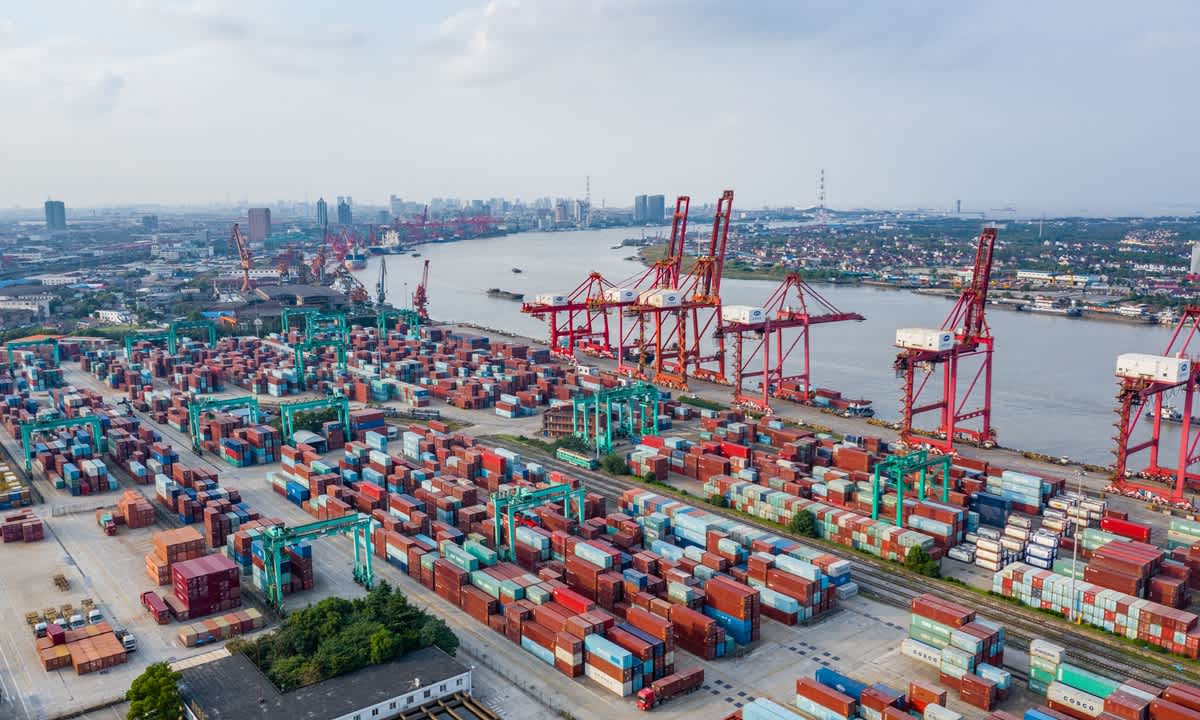
freemalaysiatoday+1reutersfreemalaysiatodayChina posted 24% year-on-year export growth in July and a $113 billion trade surplus, putting the country on track for another trillion-dollar-plus surplus in 2026, even as its domestic economy continues to flag. Western governments are calling the dynamic a second "China Shock," as Beijing attempts to export its way out of a prolonged internal downturn.reuters+1
The divide between China's powerful external sector and weak domestic demand has sharpened in recent months. Second-quarter GDP growth came in at a disappointing 4.3%, while retail sales declined 0.6% in May before rising just 1.3% in June.freemalaysiatoday+1
The divergence is a direct reflection of Beijing's strategic choices. Over the past decade, China has built dominant positions in electric vehicles, solar cells, and batteries, amassing roughly 65% of global intellectual property in the EV and battery sectors as of 2024. Western policymakers argue that subsidized Chinese exports in these industries are undercutting producers and threatening jobs, particularly in Europe.reuters+1
Europe has responded with sectoral tariffs and tighter cybersecurity requirements, while President Donald Trump has continued expanding U.S. tariffs. Beijing's domestic "anti-involution" campaign — aimed at curbing destructive price wars in food delivery, EVs, and solar components — has yielded limited results.freemalaysiatoday+1
Chinese firms are adapting by manufacturing directly in overseas consumer markets, a strategy Beijing has formalized as "Globalization Phase 3.0." Companies best positioned include EV leaders BYD and Geely, battery giant CATL Contemporary Amperex Technology Co., Limited, and consumer electronics firms Midea and Haier. Optical transceiver makers Zhongji Innolight and Eoptolink, deeply embedded in global AI and data center supply chains, also stand to benefit, according to Manishi Raychaudhuri, founder of Emmer Capital Partners and former head of Asia-Pacific equity research at BNP Paribas.freemalaysiatoday+1
Currency appreciation offers another avenue: the yuan has rallied 3.6% against the dollar and 5.5% against the euro in 2026, potentially reducing foreign-currency liabilities for state enterprises like Sinopec China Petroleum & Chemical Corporation and China's major airlines.reuters+1
Yet strong exports do not guarantee equity gains. BYD's overseas deliveries grew more than 70% in the first half of 2026, but its stock declined amid a brutal domestic price war. Chinese airline stocks have also fallen sharply since February due to the energy price shock tied to the U.S.-Iran conflict, which continues to elevate jet fuel costs.freemalaysiatoday+1
"This time around, Chinese companies can't depend on enhanced cooperation and lower trade barriers," Raychaudhuri wrote, "but will instead likely face an environment characterized by fragmentation, conflict and meaningful pushback by the world's other major economic powers."reuters