Newsletter Subscribe
Enter your email address below and subscribe to our newsletter
[forminator_form id="25163"]

All voices matter
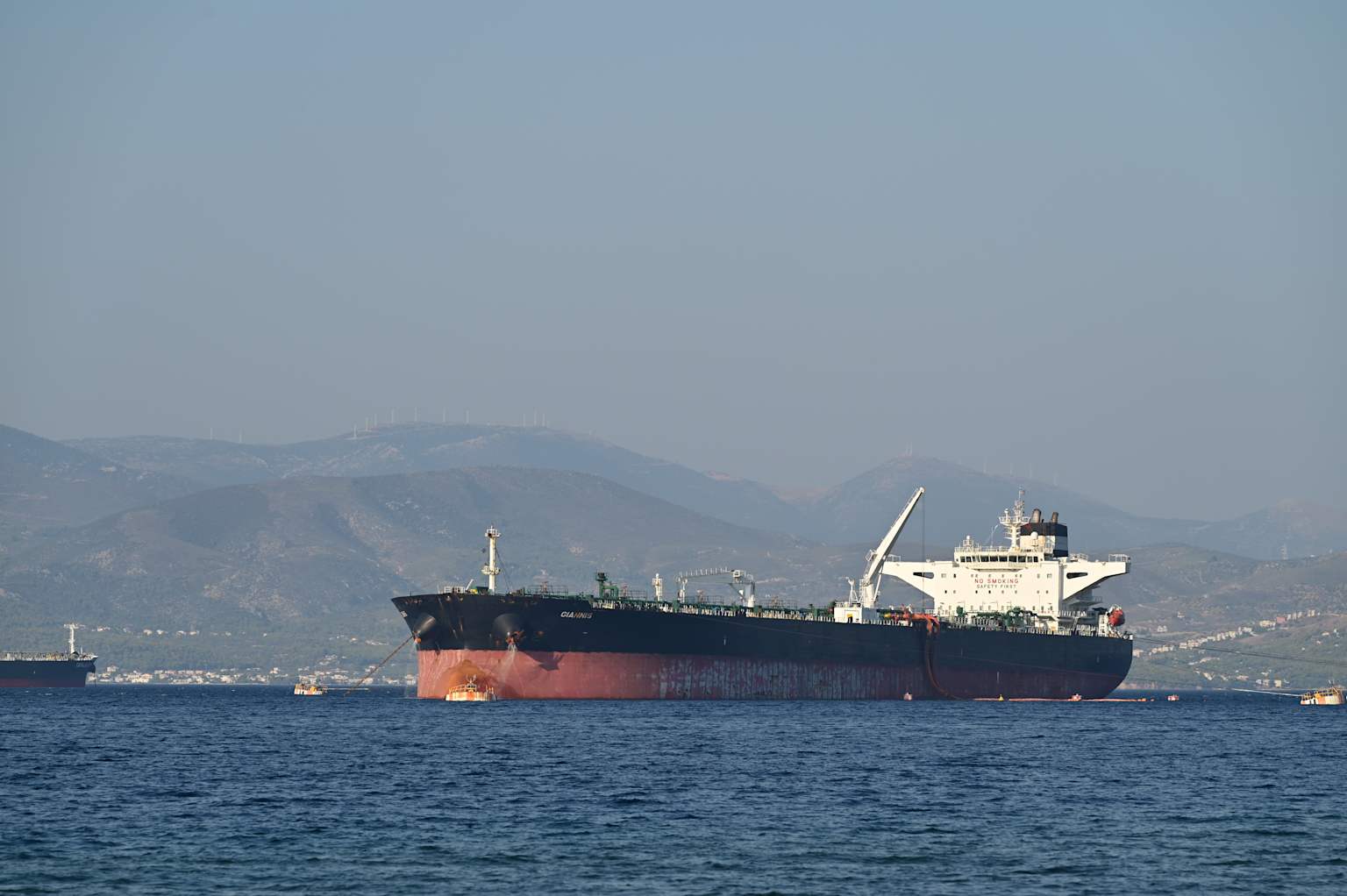
oilpricepbs+1investinglive+1The cost of shipping crude oil from the United States to Asia has climbed to record or near-record levels, as mounting disruptions to Middle East supply routes drive Asian refiners to seek alternatives from outside the Persian Gulf. The surge in freight rates, layered on top of already elevated crude prices, is reshaping trade flows across the global oil market and squeezing import-dependent economies like Japan.
Rates for very large crude carriers loading from the Gulf of Oman for delivery to China reached roughly 450 on the Worldscale basis — equivalent to about $11.50 per barrel — the highest since the benchmark was introduced earlier this year, according to Baltic Exchange data. The per-barrel cost of moving crude from the Persian Gulf to North Asia has jumped from around $5–$6 before the Strait of Hormuz conflict to roughly $30. The same tightness in the VLCC fleet has spilled over into US Gulf Coast-to-Asia shipping, pushing freight on that route to what market participants describe as record or near-record levels.investinglive+2
Japan is among the most exposed buyers. Roughly 95 percent of its oil is imported, with about 70 percent of total supply historically transiting the Strait of Hormuz. The Nikkei 225 fell for three straight sessions earlier this month as rising oil prices, a firmer yen, and expectations of a Bank of Japan rate hike weighed on sentiment.investinglive
The pressure intensified after drone strikes launched from Iraqi territory on September 10–11 hit Saudi Arabia's East-West pipeline, which connects oil fields in the Eastern Province to the Red Sea export terminal at Yanbu. Saudi Arabia's Ministry of Energy confirmed it shut the pipeline "as a precautionary measure". The Associated Press reported on September 14 that the pipeline would remain mostly out of service for several weeks, removing one of the kingdom's few alternatives for bypassing the Strait of Hormuz.cnn+3
China's yuan-denominated crude oil futures on the Shanghai International Energy Exchange soared to 929.4 yuan, or about $138.50 per barrel, the highest level since the contract launched in 2018, according to data compiled by Bloomberg. The rally was driven by both Middle East supply fears and a pickup in buying from Chinese refiners, who had been drawing on domestic stockpiles for months before ramping up international purchases in recent weeks. Brent crude hit $108 per barrel and WTI jumped above $103 per barrel amid fears the conflict would escalate further.oilprice+1
Despite elevated freight, traders say US crude grades such as West Texas Intermediate have remained competitive on a landed basis in Asia, sustaining a wave of chartering activity out of the US Gulf Coast. But that margin is being squeezed. If freight rates continue to climb, the cost advantage could erode, potentially slowing US cargoes to Asia and forcing refiners back toward whatever Gulf supply remains available.investinglive