Newsletter Subscribe
Enter your email address below and subscribe to our newsletter
[forminator_form id="25163"]

All voices matter
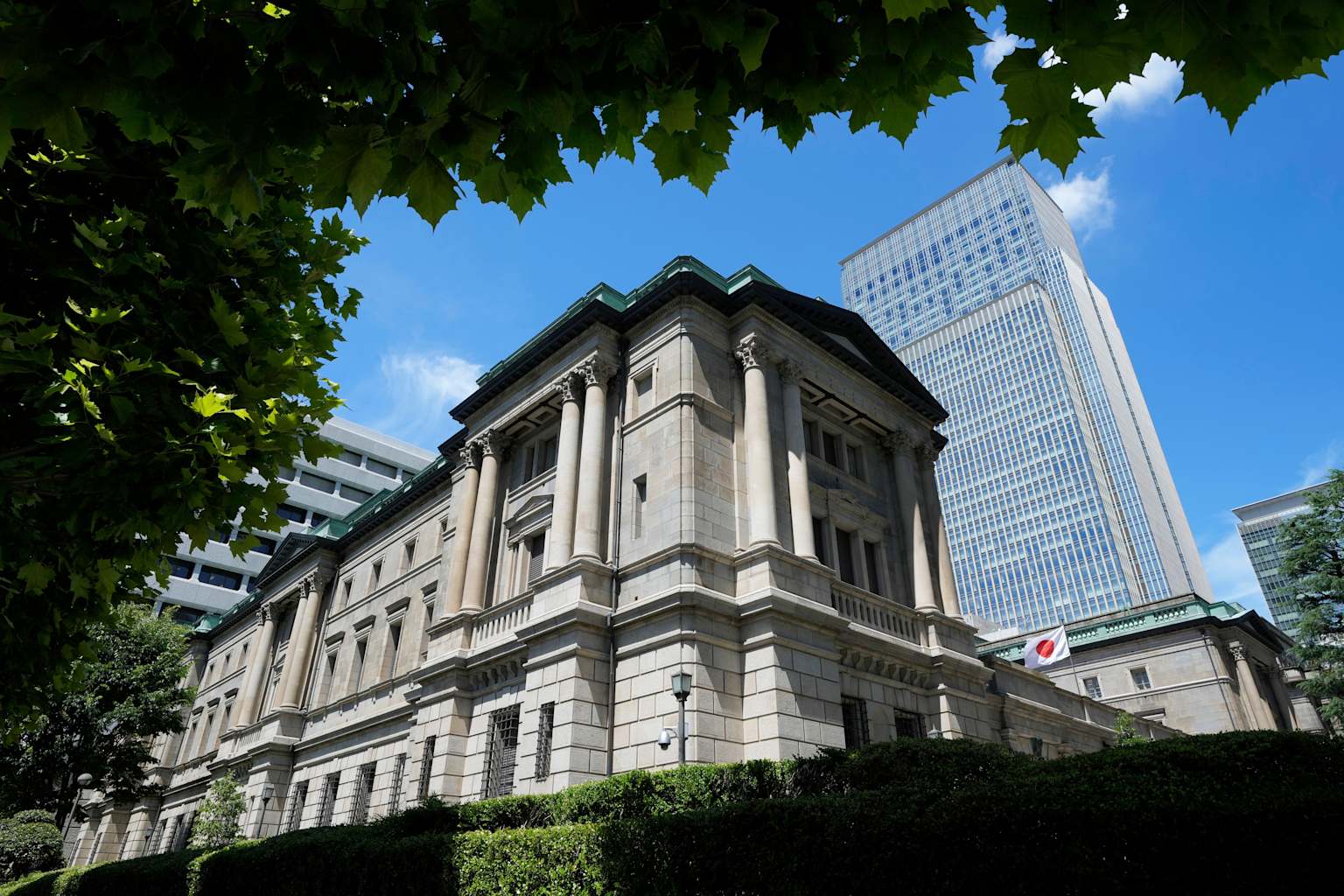
reutersaa+1cnbc+1The Bank of Japan is poised to raise its policy rate by 25 basis points to 1.25% when its two-day meeting concludes on Friday, September 18 — a level not seen since 1995. The move, driven by persistent inflation from surging oil prices and a weak yen, would mark the first hike in three months and place the BOJ alongside the European Central Bank and the U.S. Federal Reserve in a rare week of synchronized global tightening.reuters+1
Markets have nearly fully priced in the increase, with roughly 89% of economists in a CNBC survey expecting the quarter-point hike, citing higher inflation, rising wages, and pressure from Washington. Analysts polled by Reuters project the BOJ will push rates to 1.5% by end-March 2027 and 1.75% in the second quarter of that year, with most seeing a terminal rate of at least 1.75%.cnbc+1
Japan's headline consumer price index rose 1.9% year-on-year in July, its fastest pace since December 2025, while core inflation accelerated for a second consecutive month to 1.8%. Nominal wages have climbed 4.7% annually, and the economy grew 1.4% in the second quarter, above preliminary estimates.aa
Geopolitical factors have intensified the urgency. Oil prices linked to the Middle East conflict have pushed Japan's import costs sharply higher — imports jumped 28% year-on-year in August. The yen fell to a 40-year low against the dollar in July, prompting a historic joint intervention by the United States and Japan.straitstimes+1
U.S. Treasury Secretary Scott Bessent has publicly backed faster Japanese tightening, telling Governor Kazuo Ueda at the G20 finance ministers' meeting to take "decisive market and monetary steps." Takahide Kiuchi, executive economist at Nomura Research Institute and a former BOJ policy board member, said the Trump administration had "effectively checked any potential move by a Takaichi administration to block the Bank of Japan from raising interest rates."cnbc
With the hike itself a near certainty, attention turns to Ueda's post-meeting press conference and what signals he offers about the pace of future increases. A rate of 1.25% would bring the BOJ's policy rate into the lower end of its estimated 1.1%-to-2.5% neutral range, raising questions about how far tightening can go.reuters
Katsutoshi Inadome, senior strategist at Sumitomo Mitsui Trust Asset Management, noted that markets are split: some believe hawkish rhetoric would ease bond yields by showing the BOJ is not behind the curve, while others expect it to push yields higher by lifting terminal-rate expectations. "With so much uncertainty on how markets could react, the best approach for the BOJ is to stay as vague as possible," he said.reuters
The yield on Japan's 10-year government bonds climbed above 3% on Monday, its highest since 1996, amid concerns over Prime Minister Sanae Takaichi's expansionary fiscal policy. Board member Toichiro Asada, who dissented at the June meeting, may vote against the hike again.straitstimes+2
Marcel Thieliant of Capital Economics warned that inflation excluding fresh food and energy could rise toward 2.5% by early 2027, and that if the government does not resume energy subsidies, headline inflation could exceed 3%.straitstimes