Newsletter Subscribe
Enter your email address below and subscribe to our newsletter
[forminator_form id="25163"]

All voices matter
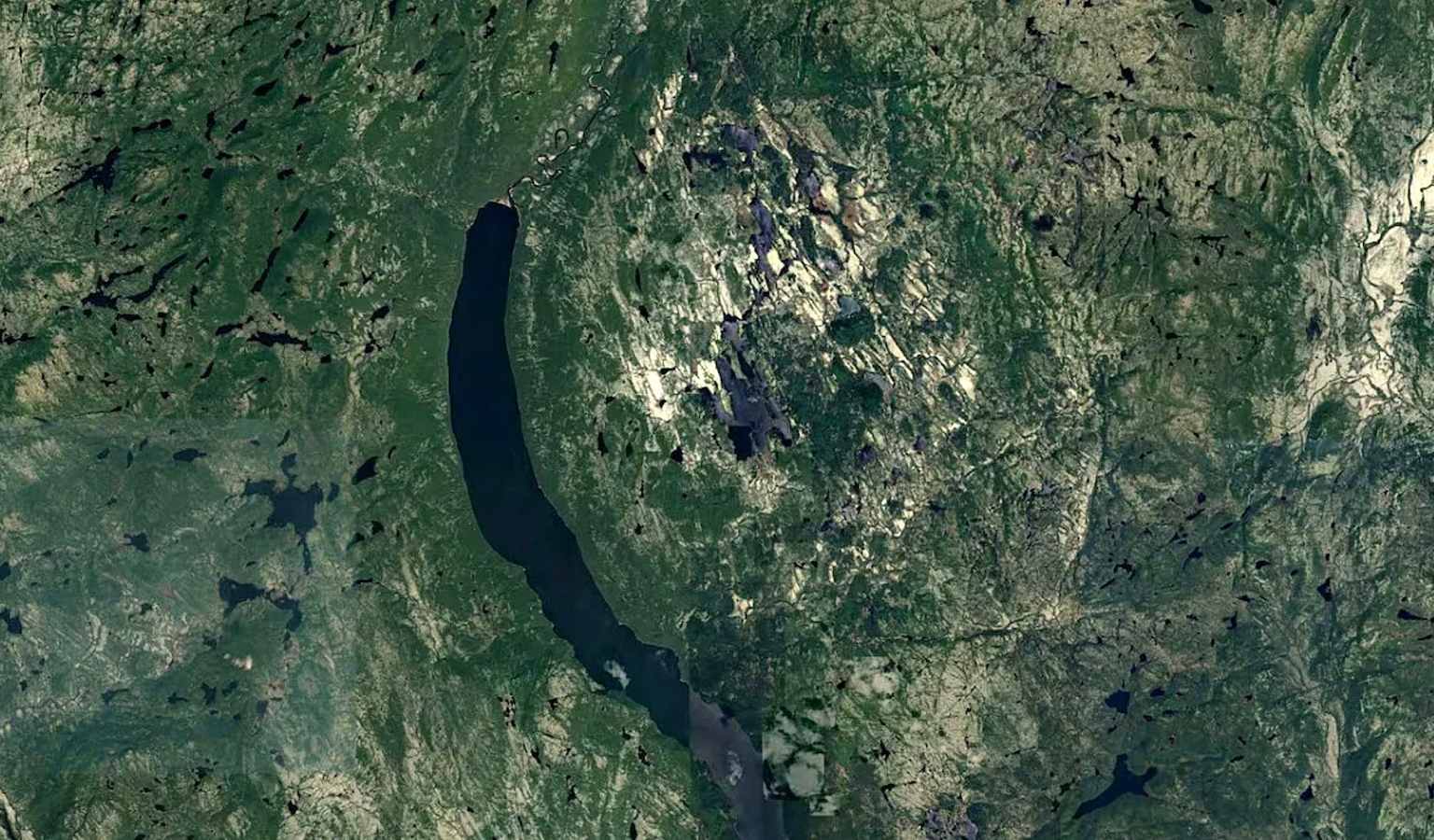
science.nasa+1sciencedaily+1science.nasa+1What began as one amateur astronomer's search for a campsite has ended with the confirmation of the largest meteorite impact crater discovered on Earth since 2018.
The Uhackatik impact structure, a 25-kilometer-wide scar in Quebec's remote Côte-Nord region, has been identified as a 390-million-year-old crater — the biggest confirmed since the 31-kilometer Hiawatha crater was found beneath Greenland's ice sheet eight years ago. The discovery, which has drawn fresh attention this week, traces back to 2024, when French amateur astronomer Joël Lapointe noticed a circular depression near Lake Marsal while scanning Google Maps for camping spots.science.nasa+3
Lapointe reported the formation to researchers at Aix-Marseille University in France, who flagged the site as a possible impact structure at a 2024 Meteoritical Society meeting. That prompted Gordon Osinski, a planetary geologist at Western University in Canada and director of its Impact Earth database, to organize an expedition. In October 2025, a four-person team arrived by floatplane.abcnews+1
The terrain proved punishing. Researchers had to wade 50 meters through water to reach shore and push through swampy, vegetation-choked ground. By the second day, however, the team found shatter cones — distinctive rock fractures formed only by the shock waves of a meteorite strike — in multiple outcrops. "It's the only unequivocal evidence of an impact event that you can see in the field with the naked eye," Osinski told NASA's Earth Observatory.science.nasa+1
Laboratory analysis of rock samples later dated the impact to roughly 390 million years ago, well before the age of the dinosaurs. The crater's name was chosen in consultation with the Innu Council of Ekuanitshit, on whose traditional land the structure sits.sciencedaily+3
The find is notable not only for its size but for its origin. According to Osinski, this marks the first time a sighting reported by a member of the public has been established as an impact crater. Of approximately 200 confirmed impact structures on Earth, most were identified by professional geologists.science.nasa+1
A Meteoritical Society committee is expected to grant formal recognition when it next convenes. If approved, Uhackatik will become Quebec's 11th known impact structure.jfeed+1
Lapointe told CityNews he was "over the Moon" when researchers confirmed his hunch. "I encourage everyone to not ignore intuition or an observation, even if it isn't part of your field of expertise," he said.science.nasa