Newsletter Subscribe
Enter your email address below and subscribe to our newsletter
[forminator_form id="25163"]

All voices matter
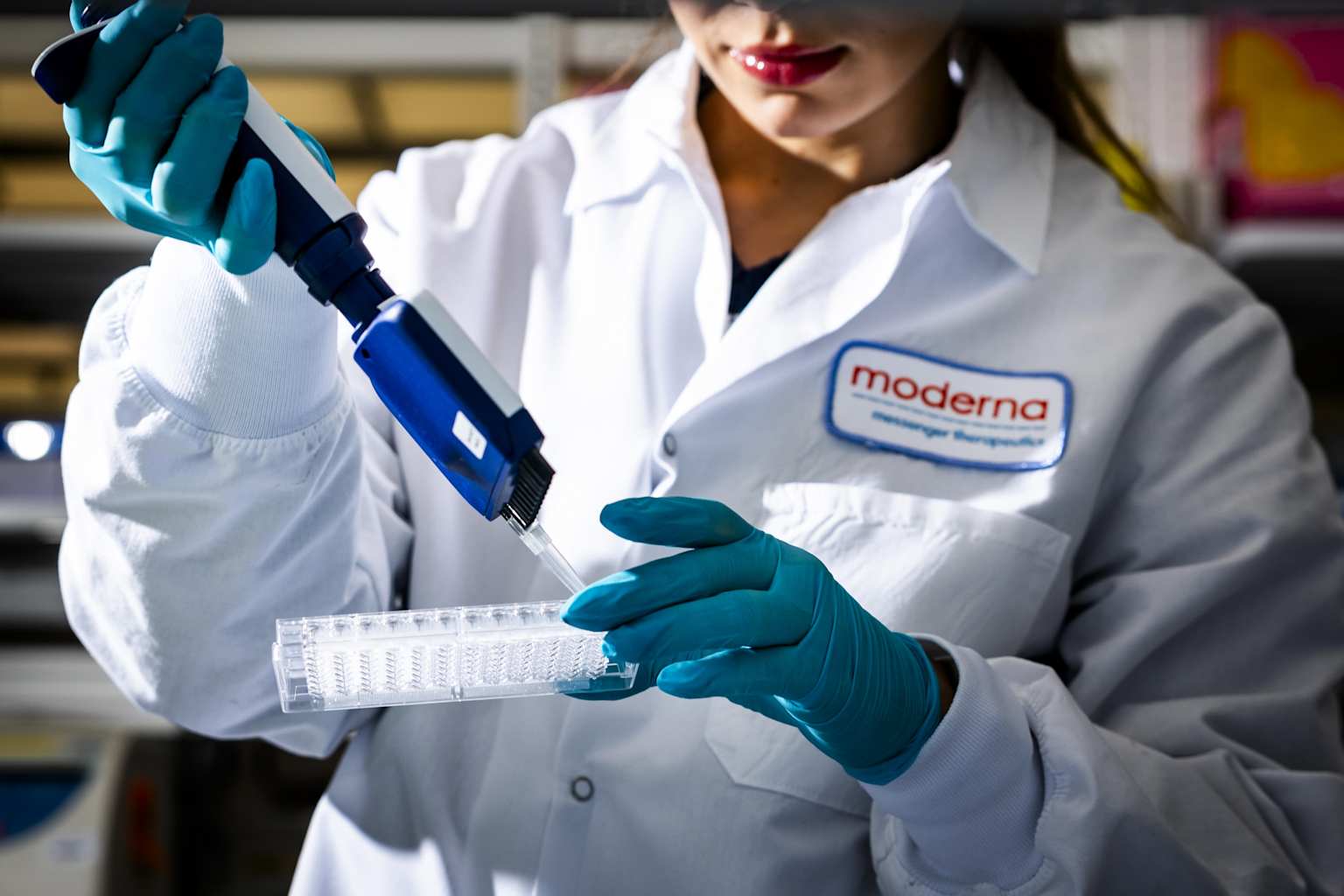
merck.com.science.org.qz.com.In a Phase 3 trial, a personalized mRNA cancer vaccine from Merck and Moderna cut the risk of melanoma returning or the patient dying by 42%. It is the first large randomized trial of the approach to succeed. The results now raise harder questions about how widely the vaccine can be used, why it works, and whether its cost and custom production will limit access.
The INTerpath-001 trial tested intismeran autogene plus Keytruda against Keytruda alone in patients whose stage IIB-IV melanoma had been surgically removed. After a median follow-up of 24.6 months, the combination lowered the risk of recurrence or death by 42%, a hazard ratio of 0.58, according to Merck. It also cut the risk of the cancer spreading to distant sites, or death, by 38%. The data have been accepted by The New England Journal of Medicine. At two years, 82.2% of vaccinated patients were alive without relapse, compared with 70% in the control group, Fierce Biotech reported. That article covered 1,137 patients.merck.com+1
The two groups did about the same for the first six months. After that, the vaccine group's risk of recurrence or death was 58% lower, CancerNetwork noted. The results leaked online on Thursday, October 22, ahead of the full presentation on Saturday, October 24, at the ESMO congress in Madrid. Analysts had hoped for a hazard ratio below 0.60, and the 0.58 result only just cleared that mark, BioSpace reported. Overall survival data are not yet available.biospace.com+1
The vaccine is built to target neoantigens, which are markers created by mutations found only in each patient's tumor. Researchers are now debating whether those neoantigens explain the benefit. Inge Marie Svane of the University of Copenhagen raised the possibility that the mRNA or its lipid carrier boosted the immune system more generally, Science reported. Johns Hopkins' Suzanne Topalian called the supporting immune data "sparse." Science also pointed to high cost and six-week manufacturing as possible limits on use. The Boston Globe put production time at six to eight weeks.science.org+1
Merck research head Dean Li told the Globe, "We don't know where the boundaries are." The companies are testing the vaccine in nine other Phase 2 and Phase 3 trials. Meanwhile, a vaccine from Roche and BioNTech recently failed in colorectal cancer.
The results are drawing in rivals. Speaking to analysts at ESMO, AstraZeneca CEO Pascal Soriot said, "We believe we can actually do something in the field, and you'll hear more about this in the months and years to come," Quartz reported.qz.com
Dana-Farber's Catherine Wu urged caution, telling Science, "Neoantigen vaccines are not a cure-all."