



Newsletter Subscribe
Enter your email address below and subscribe to our newsletter
[forminator_form id="25163"]

All voices matter
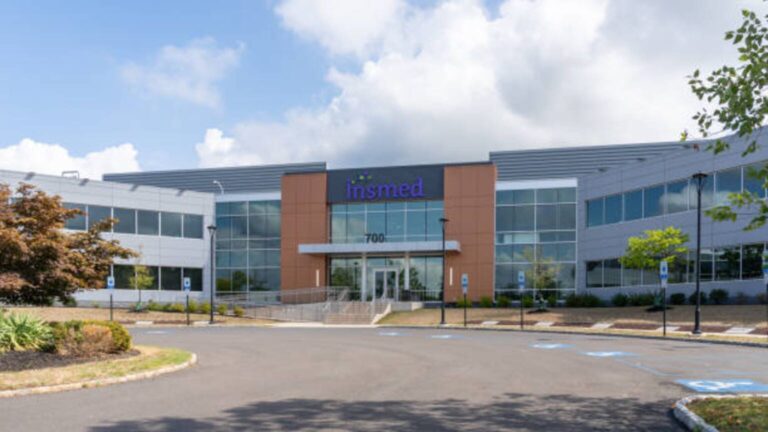
Sanofi is considering an acquisition of Insmed, according to people familiar with the matter cited by Bloomberg. Bloomberg said the deal would be the largest biopharma transaction in years. The Paris-based drugmaker is talking with advisers as it studies a…
You're all caught up
You've seen all the main stories from the past 2 days.

Isomorphic Labs, the AI drug discovery company run by Demis Hassabis, said on Tuesday, November 17, it has raised $5 billion in a Series C round co-led by Greenoaks and Sequoia Capital. The company is trying to move its first…

AstraZeneca made an offer of about $10 billion for Rhythm Pharmaceuticals, a company that treats rare genetic forms of obesity, as reported by The Wall Street Journal News Corp on Wednesday, November 4. The paper's sources said the British drugmaker…
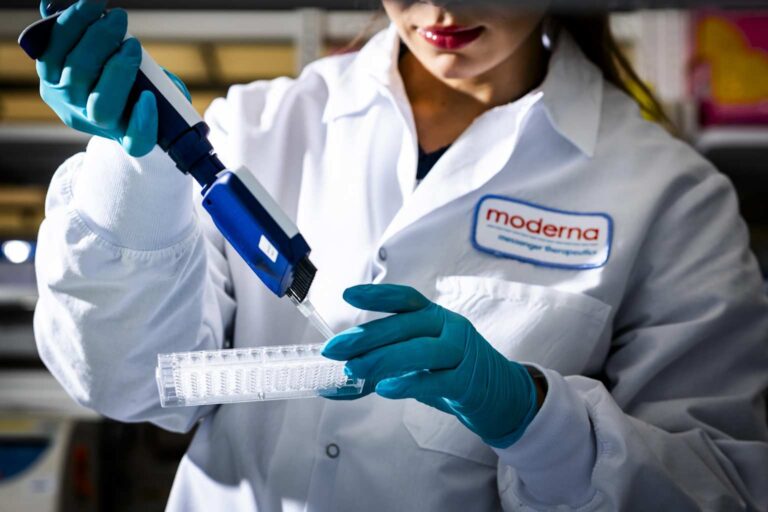
In a Phase 3 trial, a personalized mRNA cancer vaccine from Merck and Moderna cut the risk of melanoma returning or the patient dying by 42%. It is the first large randomized trial of the approach to succeed. The results…
Anthropic's long-awaited IPO prospectus presents the Claude maker as more than a software vendor. The company says it is building its own molecular biology lab and investing in research that could eventually yield drug candidates, Fierce Biotech reported. The same…

A team of researchers at Boston Children's Hospital, Dana-Farber Cancer Institute, and the Broad Institute has discovered a previously unknown genetic pathway that activates fetal hemoglobin, opening a potential new front in the treatment of sickle cell disease and beta…

Ionis Pharmaceuticals and Otsuka Pharmaceutical announced on Tuesday that ulefnersen, an investigational RNA-targeted therapy, met the primary endpoint of the Phase III FUSION trial in patients with a rare genetic form of amyotrophic lateral sclerosis, marking a first for this…

Syngenta on Tuesday unveiled EXORT technology, a new biological platform that uses naturally occurring plant microRNAs to help crops increase yields by optimizing their own internal resources — what the company calls a first new mode of action in biologicals…

Novo Nordisk CEO Mike Doustdar told CNBC on Tuesday that the company is actively considering mergers and acquisitions to fill gaps in its drug portfolio, a day after the Danish drugmaker's Capital Markets Day in London left investors underwhelmed.
Chinese biopharma stocks rallied sharply in Hong Kong on Monday after reports that the U.S. Treasury Department is drafting rules that would preserve American pharmaceutical companies' ability to license most drugs from Chinese firms. The Hang Seng Biotech Index rose…

Anthropic on Wednesday unveiled the Life Sciences Verification Program, a beta initiative that for the first time gives vetted researchers access to its most advanced AI models — including its Mythos line — with relaxed biosafety guardrails tailored for biology…

Researchers at Stanford University have built an artificial intelligence system that mimics an entire drug development company — complete with a chief scientific officer, specialized departments, and tens of thousands of AI employees — and published their findings Thursday in…
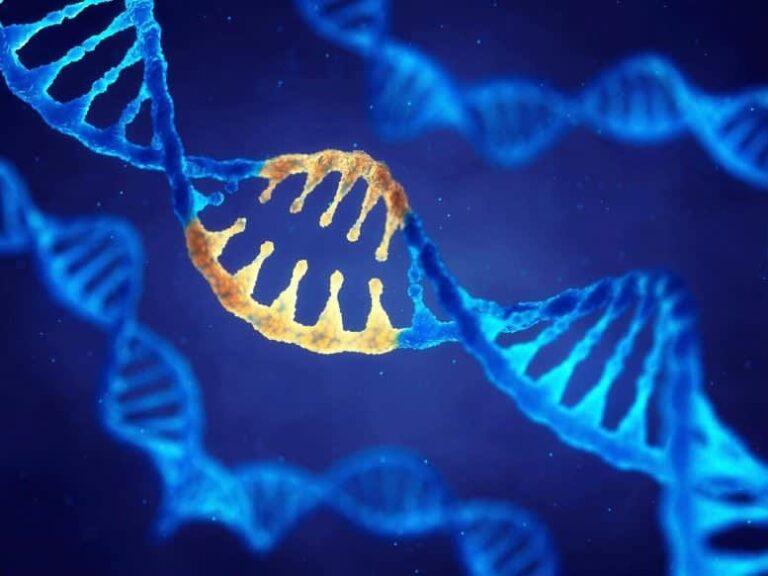
A new genome engineering method called prime assembly now allows researchers to stitch long DNA fragments into precise, programmable locations within living human cells, a development that could open the door to universal gene therapies applicable across many patients. The…

A team of researchers led by Columbia University has demonstrated that base editing can modify genes in human embryos with remarkable precision, achieving 100% accuracy in some experiments, but the study published Wednesday in Nature also exposed a range of…

Google Alphabet Inc. DeepMind on Tuesday released AlphaGenome Atlas, a database containing predictions for the molecular effects of all 9 billion possible single-letter DNA changes in the human genome — an effort the company describes as "the most comprehensive catalogue…
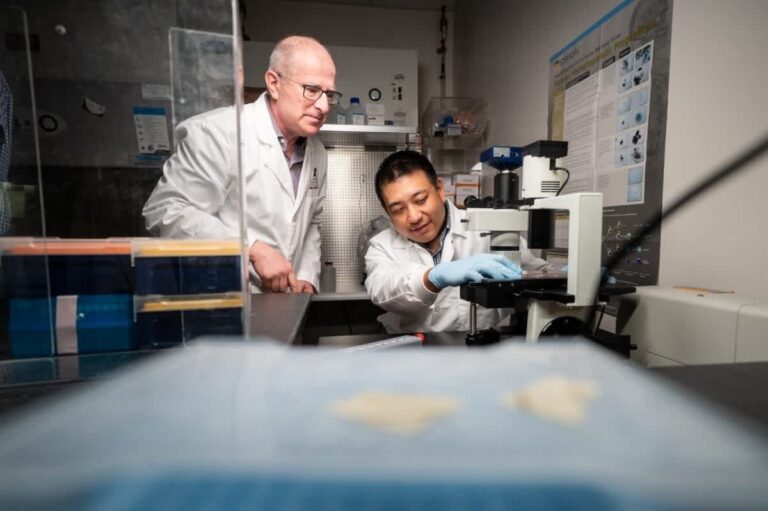
A base-editing therapy developed by Shanghai-based CorrectSequence Therapeutics has achieved transfusion independence or freedom from painful vaso-occlusive crises in every patient treated to date — more than 30 across four continents — according to clinical data published September 7 in…

Novartis and Bristol Myers Squibb Bristol-Myers Squibb Company have paused multiple clinical trials testing CAR-T cell therapies in autoimmune diseases, following three patient deaths and other serious safety incidents that have sent shockwaves through a field once seen as one…
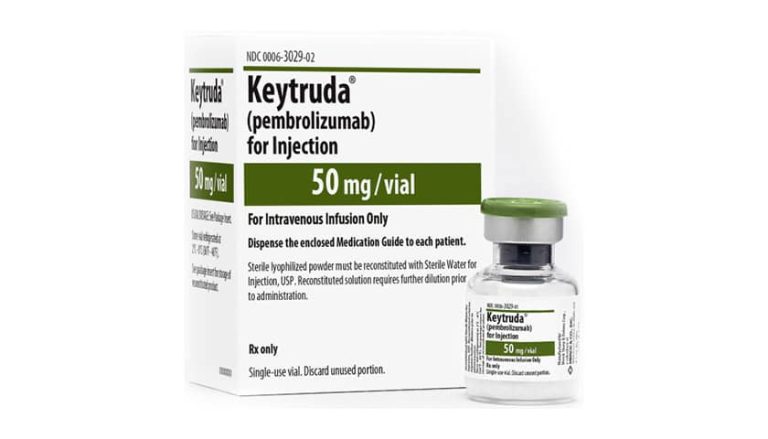
Akeso and Summit Therapeutics announced on September 2 that their bispecific antibody ivonescimab achieved a statistically significant overall survival improvement over Merck's blockbuster Keytruda in a Phase 3 trial treating PD-L1-positive non-small cell lung cancer, marking the first time a…

Novartis announced Wednesday it has signed a licensing and option agreement with South Korean biotech Alteogen worth up to $3.22 billion, gaining access to technology that converts intravenous drugs into simpler under-the-skin injections.

Novartis and Bristol Myers Squibb have temporarily halted multiple clinical trials testing CAR-T cell therapies in autoimmune diseases after observing serious inflammatory side effects, the companies confirmed Monday.

Researchers at Charité—Universitätsmedizin Berlin have demonstrated for the first time that CAR T-cell therapy can drive severe rheumatoid arthritis into sustained remission, according to results from the COMPARE trial published in Nature Medicine on August 27, 2026. Disease activity decreased…
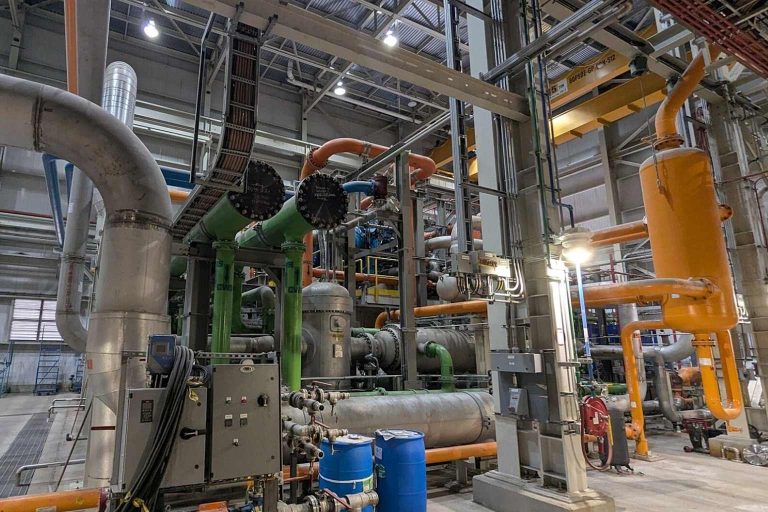
Researchers at Harvard University's Wyss Institute have genetically engineered a marine bacterium to speed up rock weathering in seawater, removing more carbon dioxide from the atmosphere in the process. The findings, published Friday in Nature Biotechnology, demonstrate that the modified…

BioNTech shares fell sharply on Friday after the German biotech company announced it would terminate its Phase 2 clinical trial of autogene cevumeran, an individualized mRNA cancer vaccine developed with Roche's Genentech unit, in patients with high-risk colorectal cancer. The…

Researchers at the University of Toronto have demonstrated that chemically modified transfer RNA molecules, delivered to the lungs via inhaled nanoparticles, can restore production of a critical protein in models of cystic fibrosis — offering a potential treatment path for…

An AI-designed antibody has outperformed the best result from months of traditional laboratory experiments, according to the results of the first international blinded benchmark for AI antibody design, published in Nature Biotechnology on August 25, 2026.

Scientists have developed a way to run two separate genetic codes at the same time within a single biological system, bypassing one of the most fundamental constraints in synthetic biology. The research, published in Nature on August 26, 2026, introduces…

Researchers at Southern Illinois University Carbondale have used gene-editing technology to program yeast strains that transform discarded plastic bottles and crop waste into protein-rich, 3D-printed cookies — a development presented Monday at the American Chemical Society's fall meeting in Chicago.

The National University of Singapore has unveiled what it describes as the world's first independently operated biological data center prototype, a system that uses 16 million living human neurons grown from stem cells to perform computational tasks alongside conventional silicon…

Anthropic announced Monday that its Claude AI models autonomously designed protein binders that succeeded against 14 of 15 targets in wet-lab testing, marking one of the most comprehensive demonstrations yet of an AI system executing end-to-end drug design work without…

Researchers at the Massachusetts Institute of Technology have engineered bacteria to function as transistors, creating "living circuit boards" that can be printed onto growth medium in Petri dishes and perform basic computational logic using chemical signals instead of electricity.