Newsletter Subscribe
Enter your email address below and subscribe to our newsletter
[forminator_form id="25163"]

All voices matter
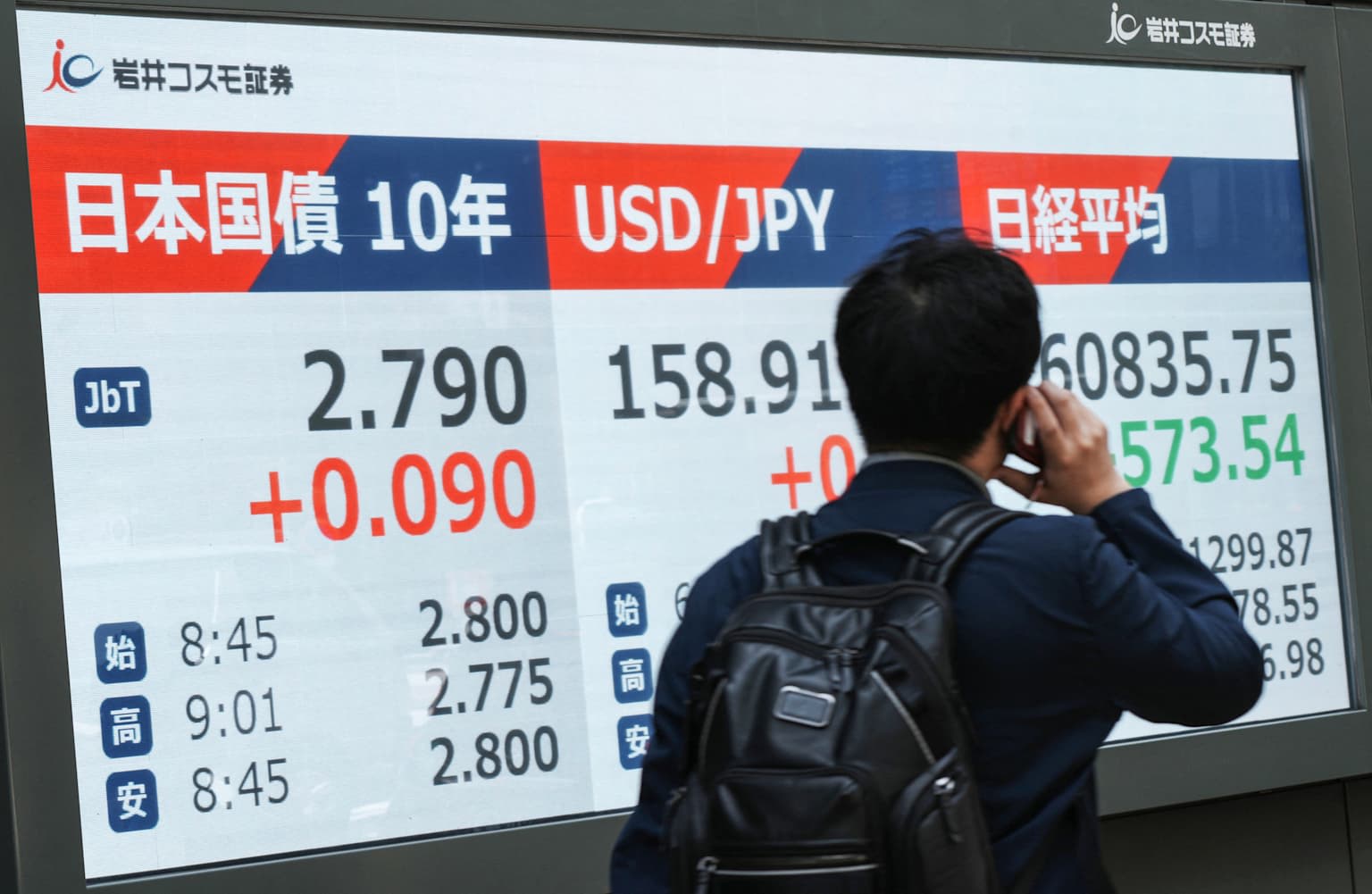
cnbccnbc+1reutersThe Japanese yen steadied near the 160-per-dollar level on Tuesday after U.S. Treasury Secretary Scott Bessent publicly urged the Bank of Japan to raise interest rates, while Japan's benchmark borrowing costs climbed to their highest level in three decades amid a global bond selloff.
Speaking on the sidelines of a Group of 20 finance leaders' gathering in Asheville, North Carolina, Bessent delivered a striking message to markets. "I have information that the market doesn't have, and it's my belief that the Japanese government and the BOJ will do the things that will lead to a stronger yen," Bessent told CNBC on Monday. Asked whether that meant rate hikes, Bessent said, "I think the market's pricing that in now."cnbc+1
A senior U.S. Treasury official told Japanese broadcaster NHK that Bessent had urged Japan to continue raising interest rates and to provide markets with a clear vision of how it intends to achieve fiscal sustainability, in separate meetings with Japanese Finance Minister Satsuki Katayama and BOJ Governor Kazuo Ueda over the weekend. Katayama told reporters that the U.S. and Japan had agreed to continue coordinated efforts to achieve "orderly" yen movements to ensure global market stability, according to Reuters.reuters+1
Japan's 10-year government bond yield rose 6 basis points on Tuesday, briefly topping 3% for the first time since 1996. The move reflects markets pricing in a higher probability of a BOJ rate hike in September — now as high as 95% by some estimates — and potentially adjusting the expected terminal rate from 1.5% to 1.75% or higher, according to Takuji Okubo, managing director at Japan Macro Advisors.cnbc
Japan's benchmark rate currently stands at 1%. A rare joint intervention by the U.S. and Japan at the end of July provided only short-lived relief for the yen, which has since surrendered most of those gains.reuters
The broader global bond selloff added to the pressure. U.S. Treasury yields climbed after Federal Reserve Chair Kevin Warsh's hawkish debut speech at Jackson Hole, where he said the Fed will "have work to do" should inflation not cool. Traders are now pricing in a 65% chance of a Fed rate hike in September, up from 41% a week ago, according to the CME FedWatch tool. Renewed military hostilities between the U.S. and Iran over the weekend also pushed Brent crude above $91 a barrel, stoking inflationary fears.wkzo+1
Despite the diplomatic pressure, analysts cautioned that a single BOJ rate increase may be insufficient to reverse the yen's USD/JPY slide. "The yen probably needs a more hawkish BOJ path beyond September — not just one hike — to sustainably move away from 160," said Charu Chanana, chief investment strategist at Saxo.reuters
Washington's concern extends beyond the currency itself. Japan remains the largest foreign holder of U.S. government debt, and any intervention financed through Treasury sales could further destabilize a bond market already under strain from rising long-term borrowing costs.cnbc