Newsletter Subscribe
Enter your email address below and subscribe to our newsletter
[forminator_form id="25163"]

All voices matter
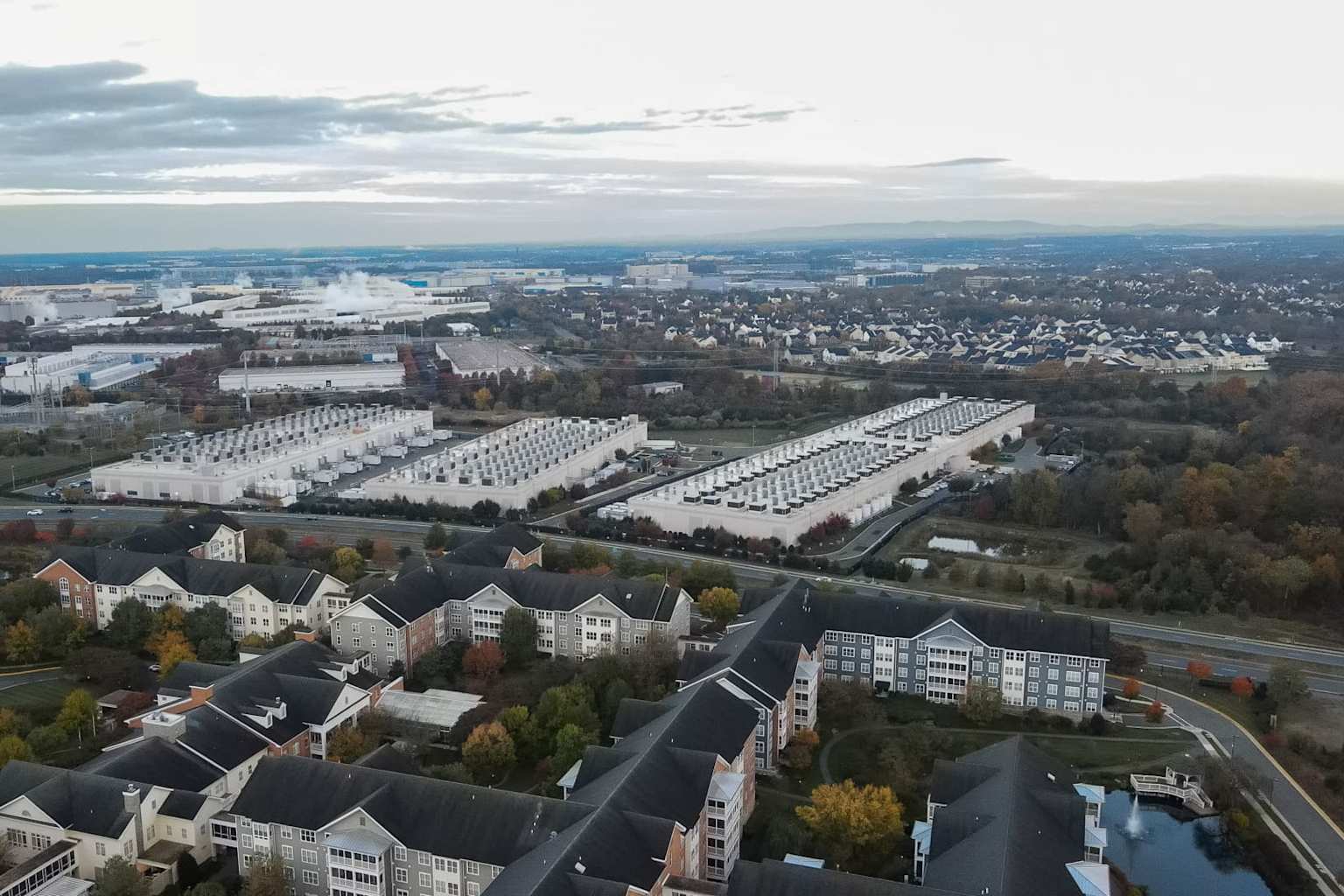
tradingviewjanushendersonxThe largest technology companies are on track to spend between $725 billion and $760 billion on capital expenditures in 2026, a historic acceleration driven almost entirely by artificial intelligence infrastructure. But as the commitments grow, so do warnings from Wall Street that the spending boom could become a source of broader financial instability.
Bank of America's August Global Fund Manager Survey found that 38% of fund managers now view hyperscaler capital spending as the most likely trigger for a systemic credit event, ranking it first for a second consecutive month. Private credit ranked second at 23%, followed by government debt at 18%. The survey, which polled 203 investors overseeing $581 billion from August 7 to August 13, also showed that 71% of respondents do not expect any hyperscaler to announce a capex cut this year, up from 61% in July.tradingview
The numbers behind the concern are stark. Alphabet has guided to $195 billion to $205 billion in 2026 capital expenditures. Amazon Amazon.com, Inc. has lifted its plan to roughly $220 billion. Meta projects $130 billion to $145 billion. Microsoft spent $41 billion in its latest quarter alone. According to Janus Henderson, the four companies' combined 2026 capex guidance has reached $730 billion to $760 billion, with $430 billion set to be deployed in the second half of the year.janushenderson+1
Morgan Stanley has warned that aggregate free cash flow for the five main data center operators is forecast to fall to negative $2.8 billion in 2026, down from $187 billion in 2025. The firm also cautioned that hyperscaler AI infrastructure spending is accelerating faster than the revenue those investments are generating.ad-hoc-news+1
Alphabet generated negative $5.9 billion of free cash flow in its latest quarter as infrastructure spending surged. Microsoft, meanwhile, holds $77 billion in cash against $129 billion in debt and roughly $190 billion in planned AI capital expenditures for the current year.tradingview+1
Beyond what appears on balance sheets, major tech companies carry approximately $3 trillion in off-balance-sheet AI infrastructure obligations, including $1.2 trillion in lease agreements that have not yet begun, according to a Wall Street Journal analysis cited in multiple reports.tradersunion+1
The concern is not simply that hyperscalers spend too much. It is that increasingly capital-intensive AI infrastructure pushes more borrowing, structured financing, and private credit exposure into the broader financial system before returns are fully proven. Morgan Stanley's credit strategy team forecasts nearly $600 billion of AI-related global bond issuance in 2026. CreditSights estimates that 2026 hyperscaler capex will be up roughly $300 billion year-over-year, the third consecutive year of growth exceeding 60%.know.creditsights+2
Cloud growth remains robust — Azure grew between 40% and 45%, AWS 37%, and Google Cloud 82% in recent quarters — but the question the market is now asking is whether that growth is fast enough to justify a bill that continues to climb.ad-hoc-news